Blog

  • 3 Advanced Sedation Options For Family Cosmetic Dental Procedures

    3 Advanced Sedation Options For Family Cosmetic Dental Procedures

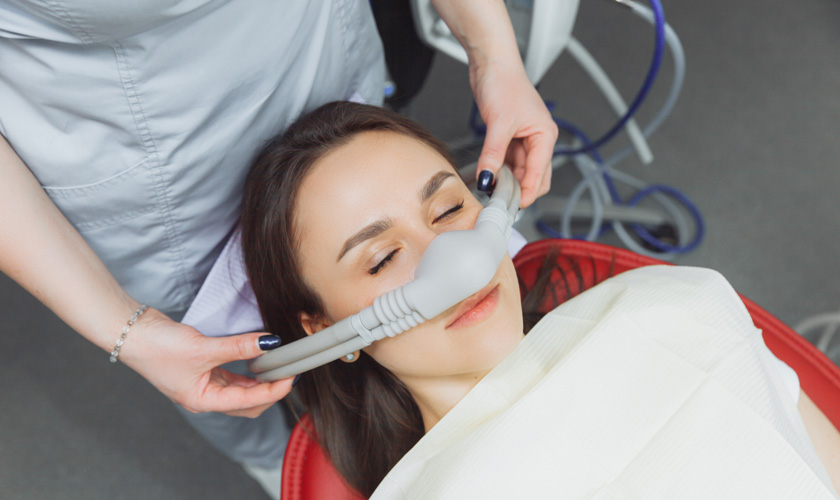
    You want a better smile. You also want to feel calm in the chair. Many people carry old fear, shame, or bad memories into every dental visit. Strong sedation can quiet that storm so you can finally finish the work you keep postponing. A cosmetic dentist in Falls Church can use advanced sedation to control pain, soften panic, and block memories of long visits. This support helps you sit through family cosmetic dental procedures that once felt impossible. You stay safe while your dentist reshapes teeth, replaces old fillings, or repairs damage. You stay present enough to respond, yet distant from the stress. These options are not just for extreme fear. They also help when you have a strong gag reflex, trouble sitting still, or complex needs. You and your dentist can choose the level of sedation that fits your body, your history, and your goals.

    Why Sedation Matters For Family Cosmetic Visits

    Cosmetic work often takes longer than routine checkups. Veneers, bonded fillings, and full smile repair need time and focus. Your child may squirm. You may tense up. A loved one may shut down from fear.

    Sedation can help you

    • Finish more treatment in one visit
    • Protect your heart rate and blood pressure from stress
    • Reduce movement so your dentist can work with steady hands

    The American Dental Association explains that dental sedation can make care feel easier and safer when fear or pain blocks needed work.

    The 3 Advanced Sedation Options

    Most family cosmetic dentists use three main advanced options. Each type controls awareness in a different way. Each one has a clear role.

    1. Oral Conscious Sedation

    Oral conscious sedation uses a pill that you swallow before the visit. The dose depends on your weight, age, and health. You stay awake. You can answer questions. You often remember little or nothing afterward.

    Oral sedation can help when you

    • Fear needles or sounds
    • Need several fillings, crowns, or veneers in one visit
    • Have strong gagging or jaw pain

    First, your dentist reviews your medical history. Then you agree on a plan. You arrive early so the team can check your blood pressure and pulse. You take the pill. You rest in the chair while the medicine starts to work.

    After treatment, you feel sleepy. You need a trusted adult to drive you home. You should rest for the rest of the day. You should not work, drink alcohol, or care for young children alone until the next morning.

    2. IV Moderate Sedation

    IV sedation uses medicine through a small tube in your arm or hand. The effect starts fast. The dentist can adjust the level in real time. You feel heavy and detached. You may speak a little. You often remember nothing.

    IV sedation can fit when you

    • Need long cosmetic sessions
    • Have tried oral sedation and still felt too alert
    • Have special health needs that need tight control

    During IV sedation, the team watches your breathing, blood pressure, oxygen level, and heart rhythm. The sedative can be lowered as the work ends. You then rest in the office until you meet clear discharge rules.

    The National Institutes of Health explains that IV sedatives affect the brain and breathing. This is why trained staff and monitoring are important.

    3. Deep Sedation Or General Anesthesia

    Deep sedation or general anesthesia makes you unconscious. You feel no pain. You do not move. A trained anesthesia provider manages your airway and breathing.

    This level is usually for patients who

    • Have severe fear that blocks care
    • Have special needs and cannot stay still or follow directions
    • Need full mouth reconstruction or combined surgical and cosmetic work

    Planning is strict. You follow fasting rules before the visit. You change into loose clothing. You meet the anesthesia provider. Then you receive medicine through an IV or by breathing gas through a mask. After treatment, you move to a recovery room until you wake and can drink clear fluids and follow simple commands.

    Comparison Table Of Sedation Choices

    Sedation TypeHow You Take ItAwareness LevelBest ForCommon Family Cosmetic Uses 
    Oral Conscious SedationPill by mouthAwake and relaxedMild to strong fearVeneers, bonding, multiple fillings
    IV Moderate SedationMedicine through IVVery sleepy minimal memoryLong or complex visitsFull smile makeover, implant crowns, many crowns
    Deep Sedation or General AnesthesiaIV or mask gasUnconsciousSevere fear or special needsFull mouth repair, combined surgery and cosmetic work

    Safety Steps You Should Expect

    Strong sedation needs structure. Your dentist should

    • Review your medical and mental health history
    • Ask about sleep apnea, heart disease, liver disease, and pregnancy
    • Review all medicines, vitamins, and drug use

    During the visit, the team should

    • Use oxygen and monitoring equipment
    • Track your breathing and heart rate
    • Have rescue tools ready for airway support

    After the visit, you should receive

    • Clear written home care instructions
    • An emergency phone number
    • A follow up plan

    Special Points For Children And Older Adults

    Children and older adults can benefit from sedation. They also carry a higher risk. Doses must match age and weight. Communication may be harder. Recovery may take longer.

    For children, ask if the dentist follows the American Academy of Pediatric Dentistry guidelines. For older adults, ask about fall risk, memory changes, and medicine interactions.

    How To Choose The Right Sedation Level

    You can use three simple steps to decide

    • Share your full story. Include fears, past trauma, and any bad reactions to medicine.
    • Match the sedation to the work. Longer and more complex work may need stronger options.
    • Plan the day. Arrange a driver, time off, and child care before you book.

    You do not need to stay trapped by fear or shame. With the right sedation choice, you can move through cosmetic treatment with control, comfort, and a clear plan for safety.


  • Why Australian-Made Nose Strips Make a Difference

    Why Australian-Made Nose Strips Make a Difference

    You might not think about where the product is made when you’re looking for ways to stop snoring, breathing problems, or sleep problems. But when it comes to nose strips for Australians, buying products made in Australia can really make a difference in how well they work.

    Australia has its own unique climate and way of life, so products made for our climate and way of life work better than those that weren’t made with our environment in mind.

    The Weather Is Different Here

    Australia’s weather changes a lot depending on where you live, but in general, we deal with heat, humidity, and dry conditions that products from other countries may not be able to handle.

    Adhesive behaves differently in Brisbane’s humidity compared to Melbourne’s dry heat. What sticks perfectly in European conditions might struggle to stay put during a sweaty summer night in Sydney. What works in American climate-controlled bedrooms might not handle Australian temperature fluctuations.

    Australian-made nose strips are tested and designed for our specific conditions. The adhesive is formulated to work in our climate, whether you’re dealing with tropical humidity, desert dryness, or coastal conditions. That means they actually stay on through the night or through your workout instead of peeling off halfway through.

    Our Skin Types Matter

    Different populations have different skin characteristics. Products made for European or American skin might not work well on Australian skin, especially since we spend more time outside and are exposed to more UV rays.

    Australian companies know how different types of skin behave in their country and make products that work well with them. We calibrate the adhesive strength so that it sticks well to our skin without causing irritation. The materials are chosen to work comfortably in our conditions.

    This isn’t just theoretical. Heaps of people find that imported nose strips either don’t stick well enough or irritate their skin, while Australian-made ones work perfectly. That’s not coincidence, it’s design.

    We Actually Need Them

    Australians love outdoor activities, sport, and fitness. We’re generally pretty active compared to many other countries. That means we need breathing solutions that can handle sweat, movement, and extended use during physical activity.

    Australian-made nose strips are designed with this active lifestyle in mind. They’re tested on people actually using them during runs along the beach, gym sessions, and outdoor sports, not just in controlled lab conditions.

    If you’re going for an early morning run in the Sydney summer, you need nose strips that’ll stay put through humidity and sweat. You need something that won’t come loose while you’re playing weekend football. Australian products are made for exactly these situations.

    Supporting Local Actually Matters

    When you buy Australian-made products, you’re supporting local businesses and local jobs. That matters more than just feeling good about yourself. It means better customer service because you’re dealing with companies in your timezone who understand your concerns.

    Got a question? Customer support is available during your waking hours, not only when America or Europe is awake. Need to return something? You’re dealing with Australian consumer law and local shipping, not international complications.

    Australian companies also tend to be more responsive to local customer feedback. If something’s not working for Aussie conditions, they can actually change it. International companies aren’t going to change the formula of their products just for the Australian market.

    Quality Standards Are Higher

    Higher Quality Standards Australia has strict rules for how things are made. Our rules and quality standards are pretty strict compared to those in some other countries, so products made here need to meet them.

    You can be sure that the nose strips you buy that are made in Australia are made to our standards. There will be no cutting corners, using questionable materials, or doing things that aren’t right because of Australian oversight.

    This is particularly important for something you’re sticking on your face. You want to know the adhesive is safe, the materials aren’t going to cause reactions, and everything’s been properly tested.

    Shipping and Availability

    Buying Australian-made means faster shipping. You’re not waiting weeks for international delivery. Order today, get it in a few days – simple.

    Stock availability is better too. You’re not dealing with shipping delays, customs hold-ups, or international supply chain problems. Australian businesses can keep stock on hand and get things to you quickly when you need them.

    Also, it’s much easier to return or replace things when everything is happening in Australia. There are no international shipping costs or complicated customs forms; it’s just simple logistics within Australia.

    They Just Work Better Here

    In the end, nose strips made for Australian conditions are just more effective for Australians. The adhesive is designed to withstand our temperatures and humidity levels. The materials are chosen to handle our lifestyle and climate. The design is tested on people living and exercising in Australian conditions.

    You can buy imported nose strips cheaper sometimes, but if they don’t stick properly or cause skin irritation or fall off during the night, you’re wasting money on products that don’t actually solve your problem.

    Australian-made nose strips might cost slightly more, but they actually work. That’s not patriotic marketing speak, it’s just reality. Products designed for specific conditions perform better in those conditions than generic products designed for everywhere and nowhere.

    Making the Right Choice

    If you’re dealing with snoring, breathing difficulties, or poor sleep quality, you want a solution that actually works. Australian-made nose strips give you the best chance of getting results because they’re specifically designed for our environment, our lifestyle, and our needs.

    Supporting local manufacturing is a bonus, but the real reason to choose Australian-made is simply that they perform better. They stick better, they’re more comfortable, and they’re designed with Australian users in mind from the start.

    Next time you’re looking at nose strips, check where they’re made. If you want something that’s going to work properly in Australian conditions, buying local just makes sense. You’re not paying extra for a flag on the packaging. You’re paying for a product that’s actually designed to work for you.

  • Why Family Dentistry Is The Best Place To Begin Cosmetic Enhancements

    Why Family Dentistry Is The Best Place To Begin Cosmetic Enhancements

    You want a better smile. You also want safety, trust, and clear answers. A family dental office gives you that mix from the first visit. You already know the team. They know your history, your fears, and your goals. That makes cosmetic changes easier, safer, and more honest. A Carlisle dentist who provides family care can spot problems early and guide you toward changes that actually fit your mouth and your budget. First, you get clean, healthy teeth. Next, you talk about whitening, bonding, or straighter teeth. You move step by step, with no pressure. A family setting also helps your children see that cosmetic care is normal and not a secret. You all sit in the same waiting room. You all hear the same simple explanations. You walk out knowing what was done, why it matters, and what comes next.

    Start With Health Before Looks

    Cosmetic treatment works best on a healthy mouth. You cannot build a strong house on a weak base. The same rule holds for your teeth.

    A family dentist checks for:

    • Cavities that might grow under new fillings or veneers
    • Gum disease that could cause loose teeth
    • Worn or cracked teeth that need repair first

    The Centers for Disease Control and Prevention explains that tooth decay and gum disease are very common and often silent at first. When you treat these problems first, your whitening lasts longer, and your bonding holds better. Routine care is more effective after treatment.

    One Office For Your Whole Family

    When you use one office for parents and children, you remove guesswork. Your dentist already has your records and your child’s records. That deep history helps with cosmetic choices.

    You and your family get:

    • One place for cleanings and cosmetic talks
    • One team that tracks changes over many years
    • One clear plan for each person in your home

    You also save time. You can often pair a routine visit with a cosmetic consult. You avoid extra trips and new patient forms.

    Cosmetic Choices That Fit Real Life

    Some cosmetic treatments look fast on social media. They can also remove healthy tooth structure or strain your budget. A family dentist knows your daily life and guides you toward careful choices.

    You might talk about:

    • Whitening to lift stains from coffee or tea
    • Bonding to repair small chips or gaps
    • Clear aligners to straighten crowded teeth
    • Tooth colored fillings that blend with your smile

    The dentist weighs your age, your bite, and your habits. You hear plain language about what each step can and cannot do. You choose with honest expectations, not quick promises.

    Comparing Common Cosmetic Options In A Family Setting

    TreatmentBest ForUsual Time In OfficeFamily Dentistry Advantage 
    Professional WhiteningStains from food, drinks, or smokingAbout 60 to 90 minutesYou get a check for cavities and gum issues first. Your child sees safe whitening done in a calm setting.
    Dental BondingSmall chips, cracks, or gapsAbout 30 to 60 minutes per toothThe dentist matches the color to your natural teeth, which they know from years of visits.
    Clear AlignersCrowding or mild bite problemsShort visits every few weeksOne office tracks growth for teens and long-term wear for adults.
    Tooth Colored FillingsCavities in front or back teethAbout 30 to 45 minutes per toothYou fix decay and improve the look of your smile in the same visit.

    Why Ongoing Trust Matters For Cosmetic Care

    Cosmetic work is not a single moment. Teeth shift. Stains return. Life happens. A family dentist stays with you through each change.

    That steady link gives you:

    • Honest talk about maintenance for whitening and bonding
    • Early warning if a filling or veneer needs repair
    • Support if your child chips a tooth in sports

    The National Institute of Dental and Craniofacial Research stresses that regular checkups help catch problems early. When the same office sees you every six months, small issues do not turn into large ones under cosmetic work.

    Helping Children Build Healthy Views Of Cosmetic Care

    Children watch you. When they see you talk openly about whitening or straightening, they learn that change is a choice, not a secret. A family dentist helps you send steady messages.

    You can:

    • Explain that health comes before looks
    • Show your child what a cleaning and exam look like
    • Ask the dentist to use simple words and show tools before use

    This shared setting cuts fear. Your child sees you sit in the same chair and listen to the same clear steps. That shared trust makes future cosmetic talks easier when your teen asks about braces or aligners.

    Making A Safe Plan For Your First Cosmetic Step

    You do not need to know which cosmetic change you want. You only need to start the talk.

    Here is a simple path.

    • Schedule a routine exam and cleaning.
    • Tell your dentist you want to improve your smile.
    • Ask for two or three choices that match your health and budget.
    • Review how long each option lasts and what care it needs.
    • Decide on one small first step.

    You deserve clear facts, patient care, and honest costs. A family dentist offers all three under one roof. You protect your health, support your children, and still reach for the smile you want. You start where you already feel known. That is the strongest way to begin any cosmetic change.

  • Why General Dentistry Improves The Quality Of Everyday Life

    Why General Dentistry Improves The Quality Of Everyday Life

    Your mouth affects how you eat, speak, work, and sleep. General dentistry protects that connection every single day. Regular checkups, cleanings, and simple treatments stop small issues before they grind down your energy, your money, and your confidence. You feel it when you wake up without tooth pain. You feel it when you smile in a meeting without worry. You feel it when you enjoy a meal without fear of breaking a tooth. General dentists look for early signs of decay, infection, and gum disease. They fix problems while they are still easy to treat. They also teach you how to care for your teeth at home in clear, direct steps. A Palm Beach Gardens dentist can help you build these habits and keep your mouth steady and strong. Good general dentistry does not just protect teeth. It supports the rhythm of your daily life.

    How General Dentistry Shapes Your Daily Routine

    General dentistry touches three parts of your day. Eating. Speaking. Resting. When your teeth and gums stay healthy, each part works with less effort and less stress.

    • You eat what you like, not just what you can manage.
    • You speak with clear words and steady breath.
    • You rest without throbbing teeth or jaw strain.

    Regular visits give your dentist a clear picture of your mouth over time. This pattern matters. The dentist can see slow changes that you may not feel yet. Early gum swelling. Tiny chips. Worn spots from grinding. Quick action keeps these from turning into deep pain or tooth loss.

    The Centers for Disease Control and Prevention shows that untreated tooth decay and gum disease are common in adults and children. General dentistry reduces this burden. It gives you a plan and a steady follow-up.

    Prevention: The Quiet Force Behind General Dentistry

    Prevention sounds simple. Brush. Floss. Visit the dentist. Yet these three steps change your health in powerful ways.

    During a routine visit, your dentist and hygienist usually:

    • Check each tooth for soft spots or cracks.
    • Measure your gums for early signs of disease.
    • Clean away hardened plaque that brushing misses.
    • Review your brushing and flossing method.
    • Talk about food, drinks, and tobacco use.

    Each step has one aim. Stop a small problem before it grows. A tiny cavity costs little to fix and heals fast. A deep infection can cost time off work and cause sharp pain. It can even spread to other parts of your body.

    The National Institute of Dental and Craniofacial Research explains that tooth decay starts when plaque bacteria feed on sugar and create acid. General dentistry cuts this cycle through cleanings, fluoride, and sealants. You gain control over a process that often feels hidden.

    Daily Life With and Without General Dentistry

    You often notice oral health in the small moments. A sudden sting from cold water. A sharp edge on a cracked filling. Or the easy comfort of chewing on both sides of your mouth. The table below compares common outcomes with and without regular general dentistry.

    Aspect of Daily LifeWith Regular General DentistryWithout Regular General Dentistry 
    Eating and chewingComfortable chewing on most foods. Fewer sudden toothaches during meals.Pain with hot, cold, or hard foods. You may avoid favorite foods or chew on one side.
    Speaking and social contactSteady speech. Confidence to smile or laugh in public.Worry about bad breath, stained teeth, or missing teeth. You may speak less or hide your smile.
    Sleep and restLower risk of night pain or jaw tension from untreated issues.Interrupted sleep from throbbing pain or grinding that has not been treated.
    Time and moneyShort visits for cleanings and minor repairs. Lower long-term costs.Emergency visits. Longer treatments such as root canals or extractions. Higher long-term costs.
    General healthBetter chance of early detection of infections or signs of systemic disease.Higher risk that oral problems spread or are linked with heart disease and diabetes.

    Support for Children, Adults, and Older Adults

    General dentistry serves your whole family. Each stage of life brings its own needs. The same office can guide you through all three.

    For children, general dentistry:

    • Watches how teeth grow and how the jaw lines up.
    • Places sealants on back teeth to block early decay.
    • Teaches brushing and flossing in clear, simple steps.

    For adults, it often:

    • Repairs worn fillings and cracked teeth.
    • Addresses grinding or clenching from stress.
    • Checks for signs of oral cancer, especially for those who use tobacco or alcohol.

    For older adults, it can:

    • Adjust dentures or partials for comfort and chewing strength.
    • Manage dry mouth from common medicines.
    • Protect remaining teeth to support speech and nutrition.

    One steady relationship with a general dentist keeps this care linked. Your history stays in one place. Patterns become clear. You do not need to tell your story again and again.

    Emotional Benefits You Feel Every Day

    Healthy teeth do more than stop pain. They shape how you feel about yourself and how you move through each day. When your mouth feels clean and strong, you:

    • Smile more in photos and daily talks.
    • Worry less about breath or visible decay.
    • Feel calmer in work and school settings.

    Fear of judgment can keep people away from care. General dentists understand this. They see many levels of oral health. They focus on what can be done now, not on blame. Step by step, your mouth improves. Your sense of control improves with it.

    Building a Simple Routine With Your Dentist

    Improving your oral health does not need complex tools or long visits. You only need three main habits.

    • Brush twice a day with fluoride toothpaste.
    • Clean between your teeth once a day.
    • See your general dentist on a schedule that fits your risk.

    Your dentist can help you adjust these steps. If your gums bleed, you may need a different brushing method. If you sip sugary drinks often, you may need a new plan for snacks and water. If you feel fear in the chair, you can discuss ways to make visits calmer, such as shorter appointments or clear signals to pause.

    General dentistry gives you structure. You do not guess. You follow a plan that you and your dentist shape together. Over time, this reduces surprise pain, missed school days, and time away from work.

    Taking the Next Step

    Your mouth is part of your daily rhythm. When you protect it through general dentistry, you protect your food, your words, and your rest. You lower your risk of sudden pain. You gain steady comfort and quiet confidence.

    If it has been more than a year since your last visit, schedule a checkup. Ask clear questions. Share your worries. Use your dentist as a partner. Small steps today prevent large problems tomorrow. Your everyday life deserves that level of care.

  • Why Some Expecting Mothers Consider Chiropractic Care During Pregnancy

    Why Some Expecting Mothers Consider Chiropractic Care During Pregnancy

    Pregnancy changes how your body moves, rests, and carries weight, often in ways that feel unfamiliar even during everyday tasks. You may notice back pressure, hip tightness, or a sense that posture feels different from week to week as your centre of gravity shifts. Many women start looking into seeing a chiropractor during pregnancy because care focuses on movement comfort and body balance during periods of physical change, without aiming to fix a single symptom.

    How Body Changes Affect Daily Comfort

    As pregnancy progresses, joints and muscles adjust to support a growing abdomen, which can influence how you walk, sit, and sleep. Hormonal changes may also affect joint stability, making certain movements feel less supported than before. Daily routines that once felt effortless may begin to require more planning and rest.

    During moments like these, some mothers explore care options that feel supportive without being invasive. A chiropractor during pregnancy may be considered when comfort during walking, sitting, or resting becomes harder to maintain across the day.

    Why Gentle, Adapted Care Matters

    Care during pregnancy differs from standard approaches because comfort and safety remain central throughout each session. Techniques are adapted to suit body changes, with positioning and pressure adjusted to avoid strain, while sessions focus on controlled movement and joint balance instead of forceful adjustments.

    Expecting mothers often value care that feels measured and responsive, especially when regular visits feel manageable alongside other pregnancy costs. Regular support can feel more accessible when planning involves an affordable chiropractor in Singapore, helping care fit practical budgets during a period that already brings many expenses.

    Supporting Posture as the Bump Grows

    Posture naturally changes during pregnancy as weight distribution shifts forward. Shoulders may round, the lower back may carry more load, and standing for long periods can feel tiring sooner than expected, with small posture shifts across the day influencing overall comfort.

    Managing posture-related strain as weeks progress leads some women to consider care planning with a chiropractor during pregnancy, especially when awareness around standing, sitting, and resting positions becomes part of daily routines.

    Managing Movement During Busy Days

    Many expecting mothers continue working, caring for family, or staying active during pregnancy, which means movement demands remain part of everyday life. Lifting groceries, commuting, or spending long hours seated can still place pressure on the spine and hips, while recovery time may feel shorter as energy levels fluctuate.

    Keeping care consistent during busy weeks often feels easier when access involves an affordable chiropractor in Singapore, allowing comfort support to fit real-life schedules without turning appointments into another obligation.

    Planning Care Across Pregnancy Stages

    Care needs can shift as pregnancy moves through different stages, with early months feeling different from later ones as weight and movement patterns change. Regular review allows care to adapt alongside physical responses, helping expectations stay realistic across each phase.

    Practical planning across pregnancy stages may include ongoing support from an affordable chiropractor in Singapore, allowing care to remain flexible from early pregnancy through later months without locking routines into fixed patterns.

    Making Comfort Part of the Pregnancy Experience

    Comfort during pregnancy often comes from small, consistent choices rather than dramatic interventions. Movement awareness, posture support, and regular check-ins can help daily life feel more manageable as the body changes. Care works best when it fits naturally into existing routines.

    Many mothers find reassurance in having a space to pause, check posture habits, and adjust movement patterns as pregnancy progresses. Regular attention to comfort can help days feel steadier, even when energy levels vary or schedules feel full. Contact True Chiropractic to discuss how pregnancy-focused chiropractic care can support movement comfort, posture balance, and everyday wellbeing throughout your pregnancy journey.

  • The Growing Demand For Cosmetic Dentistry In All Age Groups

    The Growing Demand For Cosmetic Dentistry In All Age Groups

    More people of every age now ask for cosmetic dentistry. You see teens fixing crowded teeth, adults closing gaps, and older adults choosing new smiles instead of hiding them. This change is not about vanity. It is about comfort, confidence, and feeling seen. Social media, work pressure, and longer life spans push you to care about how your teeth look. At the same time, new methods and materials make treatment safer and more within reach. You can straighten teeth without metal braces. You can replace missing teeth with dental implants Fresno and eat without fear. You can repair chips and stains that once felt permanent. This growing demand raises questions about cost, access, and long term care. It also raises hopes for better daily life. You deserve clear facts, plain language, and honest guidance before you choose any cosmetic dental treatment.

    Why More People Want Cosmetic Dentistry

    You see more smiles on screens every day. You see them at work, in class, and on video calls. Teeth that once stayed out of sight now show up in photos that never disappear. That constant spotlight can stir shame, worry, or pressure. It can also push you to act.

    Three common reasons drive this demand:

    • You want to feel at ease when you smile, talk, or eat.
    • You want fair chances at jobs and relationships.
    • You expect to keep your teeth longer as you live longer.

    Cosmetic care often starts with health. Straight teeth are easier to clean. Replaced teeth help you chew. A smooth bite eases jaw strain. The American Dental Association explains that good oral health links to heart health, diabetes control, and pregnancy outcomes.

    How Demand Looks In Different Age Groups

    Demand does not look the same for everyone. Your needs change as you age. Dentists now offer clear paths for each life stage.

    Common Cosmetic Dentistry Choices By Age Group

    Age GroupMain ConcernsCommon Treatments 
    Teens and young adultsCrowded teeth, gaps, stains from soda or poor brushingClear aligners, tooth colored fillings, gentle whitening
    Adults 30 to 60Old fillings, chips, worn edges, deep stainsWhitening, veneers, bonding, crowns, clear aligners
    Older adults 60 and overMissing teeth, loose dentures, gum loss, wear from grindingDental implants, implant supported dentures, crowns, bonding

    Young people often want subtle change that keeps them from standing out. Adults tend to focus on repair and polish. Older adults want to chew, speak, and laugh without fear of slipping dentures or pain.

    What Treatments Are In High Demand

    Three groups of cosmetic treatments now draw the most attention.

    1. Straightening Teeth

    Clear aligners and tooth colored braces let you fix crowding with less notice from others. You can remove many aligners to eat and clean your teeth. This helps you brush and floss. It also reduces trapped food.

    Shorter treatment times and easier cleaning increase demand. Many adults who skipped braces in childhood now seek this option because they can fit it around work and family life.

    2. Brightening And Reshaping Teeth

    Stains from coffee, tea, tobacco, or some medicines can sit deep in your teeth. Professional whitening uses safe gels in controlled amounts. That reduces the risk of harm when you follow your dentist’s directions. The National Institute of Dental and Craniofacial Research explains tooth structure and common changes with age at this NIDCR tooth decay page. That knowledge helps you talk with your dentist about stains and wear.

    Veneers and bonding reshape chipped or uneven teeth. A thin shell or resin layer covers the front of the tooth. You can close gaps, lengthen short teeth, or hide cracks. Many people choose these options after accidents or grinding.

    3. Replacing Missing Teeth

    Missing teeth can change your bite, speech, and face shape. They also cause shifting of nearby teeth. That shift can trap food and grow new decay.

    Dental implants, bridges, and modern dentures now give you more choice. Implants use a small post in the jaw bone to hold a crown. When placed and cared for with routine checkups, they can last many years. Many older adults pick implants so they can eat meat, nuts, and fresh fruit without fear of loose dentures.

    Cost, Access, And Insurance Pressure

    Cosmetic dentistry often costs more than basic care. Insurance plans may not pay for whitening or veneers. Some plans cover part of implants if they restore chewing. Others treat them as cosmetic even when you struggle to eat.

    Three steps can help you plan.

    • Ask your dentist for a written plan that lists each option, price, and expected lifespan.
    • Call your insurer and ask which codes they cover and what proof they need.
    • Set a budget and focus on treatments that improve both function and looks.

    Community health centers and dental schools may offer lower cost care. Some school clinics use student dentists under close supervision. This can stretch your budget while still giving safe care.

    Safety And Informed Choices

    Not every smile trend is safe. Over the counter whitening kits, online aligners without exams, and mail order veneers can cause pain or damage. You risk gum burns, root harm, or bite problems.

    Before you agree to any cosmetic work, you should:

    • Get a full exam and X rays.
    • Treat decay and gum disease first.
    • Ask about side effects, pain control, and how long results last.
    • Request photos of real patients with similar issues.

    You should also ask how to care for your teeth after treatment. Routine cleanings, fluoride use, mouth guards for grinding, and tobacco quitting all protect your investment. Cosmetic work fails fast if you skip basic care.

    How To Talk With Your Dentist

    A clear talk with your dentist can calm fear and prevent regret. You can bring photos of smiles you like, but you should stay open to honest feedback. Your teeth, bones, and gums set limits on what is safe.

    Three questions often help:

    • What is the healthiest way to reach my goal?
    • What happens if I do nothing right now?
    • How will this choice affect my teeth in ten years?

    When you ask direct questions and insist on plain language, you protect your body and your budget.

    Moving Toward A Smile You Trust

    Cosmetic dentistry is no longer rare or only for a few. It is a common part of staying active at work, in school, and in your community. You do not have to chase perfection. You only need a mouth that lets you eat, speak, and smile without fear or shame.

    When you ground your choices in health, facts, and clear talks with a trusted dentist, cosmetic care can support your daily life for many years.

  • A Step-by-Step Guide to Choosing a Paediatric Clinic in a Hospital

    A Step-by-Step Guide to Choosing a Paediatric Clinic in a Hospital

    Key Takeaways

    • Paediatric health decisions usually begin with everyday disruption rather than emergency.
    • Time and persistence matter more than intensity when deciding on hospital care.
    • School and caregiver feedback often clarifies uncertainty at home.
    • Hospital care becomes relevant when routines no longer absorb symptoms.

    Choosing a paediatric clinic in a hospital usually happens mid-routine, not during a moment of urgency. A child has already missed a few school days, follow-up appointments start overlapping with work hours, and one visit quietly turns into several. Parents begin comparing hospitals and clinics based on waiting time, continuity, and how well care fits into family life rather than on credentials alone. The decision takes shape through logistics and lived experience, revealing that where a child is seen matters as much as what is being treated.

    1. Notice What Has Changed From Normal

    The first step begins with recognising change in daily behaviour rather than trying to name an illness too early. A child may eat less, sleep poorly, or lose interest in activities that previously held attention, and these shifts start to matter when they affect learning, mood, or energy across several days. When a child who once recovered quickly now takes longer to return to baseline, even though symptoms seem mild, the pattern signals more than a temporary setback. Paying attention to how everyday functioning has altered helps parents move beyond guessing and towards clearer judgment about what needs closer review.

    2. Track Time Instead Of Intensity

    Severity often misleads when symptoms keep returning without fully resolving, because what seems manageable at first begins to stretch across days and then weeks. Short illnesses usually pass quickly, but recurring issues start shaping household routines through missed lessons, repeated medication, and disrupted sleep. As these patterns settle in, time itself becomes the concern rather than intensity, shifting attention from reassurance to persistence. Parents begin to notice that waiting longer does not restore normalcy and instead allows disruption to accumulate, making hospital attention feel like a practical response rather than an overreaction.

    3. Pay Attention To What Others Observe

    Teachers, caregivers, and coaches often notice shifts that parents miss during rushed mornings or late evenings, particularly when attention fades, stamina drops, or behaviour changes in structured settings. These observations carry weight because they reveal how a child functions outside the familiarity of home, where routines can mask gradual change. Comparing notes across schools, activities, and caregiving environments helps determine whether concerns appear in isolation or follow a consistent pattern. When similar descriptions emerge from multiple adults, uncertainty gives way to clearer judgment, making assessment at a paediatric clinic within a hospital feel like a considered step rather than a reaction.

    4. Prepare For The Hospital Visit

    Once the decision is made, preparation quickly becomes part of daily coordination, as appointments mean time off work, school absences, and the need to gather details about symptoms and routines that have shifted over time. Bringing clear observations helps consultations focus on how those changes affect everyday life rather than isolated moments that are easy to forget. This preparation gives the hospital visit a sense of purpose, especially when parents need to explain patterns that emerged gradually and cannot be captured by a single incident.

    5. Adjust Expectations After Assessment Begins

    Assessment seldom delivers immediate clarity, as tests, referrals, and follow-up appointments introduce periods of waiting that once again reshape family schedules. During this time, a child may appear energetic one day and unusually tired the next, stretching uncertainty across school routines and work commitments. The frustration often comes from expecting resolution to match the pace of concern, only to find that answers arrive gradually. Recognising that hospital care unfolds in stages allows parents to adjust expectations without reading delay as inattention or neglect.

    6. Recognise When Hospital Care Matters

    Hospital care begins to matter when symptoms keep interfering with learning, safety, or comfort, even after routines at home and school have been adjusted. At that stage, reassurance loses its ability to restore stability because disruption has become persistent rather than occasional. A hospital offers structure and continuity that extend beyond momentary relief, creating space for coordinated assessment instead of quick fixes. Choosing this step reflects a practical shift toward seeking clarity and coordination once daily life can no longer absorb the impact on its own.

    Conclusion

    In the end, this procedure shows that selecting a pediatric clinic inside a hospital is more about responding to persistent disruption than it is about responding to illness. The decision takes shape when routines, work, and school adjustments no longer contain uncertainty and instead begin revolving around it. At that point, the question shifts from whether something is serious enough to who can provide continuity amid change. Hospital care marks a boundary where coordination becomes as important as comfort, and stability matters more than speed. The choice settles not through urgency, but through recognising that everyday life needs support to function reliably again.

    Contact National University Hospital (NUH) to navigate paediatric clinic options.

  • 7 Ways Laser Melasma Care Fails Without Proper Planning

    7 Ways Laser Melasma Care Fails Without Proper Planning

    Laser treatment for melasma often appears as the next step after topical products fail to deliver consistent improvement. Patients turn to technology expecting precision and predictability, yet outcomes vary widely despite similar devices being used. The difference rarely lies in the machine alone. Melasma behaves as a complex pigmentation condition influenced by depth, triggers, and skin response. An aesthetic clinic in Singapore approaches laser care as a structured pathway rather than a single intervention. Laser-based melasma care tends to falter at predictable stages, where preparation, pacing, or follow-through receive less attention than the procedure itself.

    1. Treatment Begins Without Confirming Pigment Depth

    Melasma does not sit uniformly across all cases. Some pigment remains superficial, while other forms extend into deeper skin layers. Laser treatment of melasma depends on matching energy delivery to where the pigment resides. When clinics skip thorough assessment, lasers may either miss deeper pigment or overstimulate the surface. An aesthetic clinic in Singapore prioritises diagnostic evaluation to guide safer and more targeted treatment decisions.

    2. Skin Condition Gets Ignored Before Laser Sessions

    Skin that shows irritation, dryness, or recent sun exposure responds unpredictably to laser energy. Starting treatment without stabilising the skin increases the risk of inflammation, which can worsen pigmentation. Laser treatment for melasma benefits from preparatory care that restores the skin barrier and reduces sensitivity. An aesthetic clinic integrates preparation into planning to improve tolerance and reduce post-treatment complications.

    3. Expectations Focus On Speed Rather Than Progression

    Many patients expect quick visible improvement after one or two sessions. Melasma rarely responds in this way. Laser treatment for melasma works cumulatively, requiring gradual adjustments and careful monitoring across sessions. An aesthetic clinic in Singapore frames results as progressive change rather than immediate clearance, helping patients stay committed without unnecessary frustration.

    4. Sun Management Gets Treated As Secondary

    Sun exposure remains one of the strongest triggers for melasma recurrence. Even incidental daily exposure can deepen pigment after laser improvement. Laser treatment for melasma cannot counteract ongoing ultraviolet exposure without support. An aesthetic clinic emphasises sun management as a core component of treatment planning rather than optional advice, recognising its role in long-term stability.

    5. Laser Settings Prioritise Intensity Over Precision

    There is a misconception that higher energy delivers faster results. In reality, excessive intensity increases inflammation and stimulates melanin production. Laser treatment for melasma relies on controlled precision rather than aggressive settings. An aesthetic clinic in Singapore adjusts parameters based on skin tone, sensitivity, and response history to protect skin health while supporting gradual improvement.

    6. Maintenance Planning Gets Overlooked

    Melasma behaves more like a chronic condition than a temporary issue. Completing a course of laser sessions does not guarantee lasting clearance. Laser treatment of melasma requires maintenance strategies to manage triggers and prevent rebound pigmentation. An aesthetic clinic builds follow-up planning into treatment pathways so progress remains stable rather than short-lived.

    7. Diagnosis Assumes All Pigmentation Is Melasma

    Facial pigmentation can appear similar across different conditions. Sun spots, post-inflammatory pigmentation, and vascular changes require different approaches. Laser treatment for melasma becomes ineffective or harmful when the diagnosis lacks accuracy. An aesthetic clinic in Singapore confirms pigment type before proceeding, ensuring lasers target the correct concern rather than masking symptoms temporarily.

    Conclusion

    Laser technology plays a role in melasma management, but outcomes fluctuate when responsibility shifts onto the device alone. Skipped evaluation, rushed settings, or weak follow-up introduce instability that lasers cannot correct. An aesthetic clinic in Singapore offsets these risks by anchoring decisions in assessment before energy delivery. Laser treatment for melasma performs unevenly when judgment is secondary to machinery. Results reflect the decisions surrounding the device, not the device itself.

    Speak with Halley Aesthetics for expert advice at an aesthetic clinic that specialises in structured pigmentation care to find out if laser therapy for melasma is appropriate for your skin condition and objectives.

  • 5 Advantages Of Bringing Your Entire Family To The Same Dentist

    5 Advantages Of Bringing Your Entire Family To The Same Dentist

    You want one place that understands your whole family. One office. One team. One record. When everyone sees the same dentist, care becomes simple and steady. Your child’s first cleaning, your teen’s clear aligners in Columbia, and your own crown all connect in one chart. The dentist knows your family history. The staff knows your names. You spend less time explaining and more time getting real care. You avoid mixed messages and repeated x rays. You spot patterns like shared enamel weakness or gum issues early. You feel less stress at every visit because the routine is familiar. You also teach your children that oral health is a normal part of life. This shared path creates trust, comfort, and better results for every age.

    1. One dental home for every age

    A single family dentist becomes your dental home. You go to one place from baby teeth through older adult care. This steady path helps you stay on track.

    The American Dental Association explains that regular checkups with the same office help catch problems early and keep costs lower over time.

    With one dentist you get three clear gains.

    • Simple scheduling for the whole household
    • Shared understanding of your health history
    • Strong trust built over many years

    Your child does not need to switch offices during the teen years. Your own care does not sit in a separate chart across town. Instead, the same team watches growth, habits, and risks for your whole family and guides you through each stage.

    2. Easier scheduling and fewer missed visits

    When your family uses one dentist, visits fit into your life with less chaos. You can book back to back appointments on the same day. You can bring siblings together. You can plan around work and school without chasing many offices.

    Missed cleanings add up. The Centers for Disease Control and Prevention points out that tooth decay is common in children and that regular care helps prevent pain and missed school days.

    A single office helps you stay consistent. You get reminder calls from one number. You keep one portal login. You know the drive and parking. These small things reduce stress and help you show up.

    Comparing one family dentist to multiple dentists

    FactorOne family dentistMultiple dentists 
    Number of offices to visit12 or more
    Appointment reminder systemsSingle systemDifferent systems to track
    Time spent on travelOne routeSeveral routes
    Chance of missed or mixed appointmentsLowerHigher
    Ability to group family visitsHighLimited

    This kind of simple structure matters when life feels crowded. You protect your oral health without adding more strain.

    3. Stronger records and safer care

    When everyone in your home uses one dentist, your records connect. Your dentist can see patterns that might be missed across separate charts.

    For example, if you have a history of gum disease, your dentist will keep a closer eye on your children’s gums. If several family members grind their teeth, the team can suggest early night guard use. This pattern spotting supports safer and more focused care.

    Shared records also cut down on repeat x rays and repeat forms. You tell your story once. You update changes in one place. This reduces confusion about medicines, allergies, and past treatment. It also lowers the risk of conflicting advice from different offices.

    4. Lower anxiety and better habits for children

    Many children fear the dentist. They may tense up, cry, or refuse to sit in the chair. When your child watches you walk into the same office with calm, it changes the tone. You model the behavior you want to see.

    When your family sees the same team, the staff recognizes your child right away. They greet them by name. They remember that your child likes sunglasses during cleanings or a certain flavor of toothpaste. This memory builds comfort.

    Over time your child learns three key lessons.

    • Dental visits are a normal part of life
    • Clean teeth feel good and help you eat and speak
    • Questions are welcome and fear can be managed

    These lessons sink in deeper when the setting stays the same. Your child grows up with one dental home instead of a string of unfamiliar offices. That steady bond can prevent skipped care during the teen and young adult years.

    5. Clearer communication and aligned treatment

    Using one dentist for the whole family makes your care plan easier to follow. You hear one message about brushing, flossing, fluoride, sealants, and orthodontic treatment. You do not have to sort out many opinions that may clash.

    For example, if your teen starts clear aligners, the same dentist already understands your bite, your child’s enamel strength, and your family’s dental past. The team can explain how aligners fit with cleanings, sports guards, or other needs. Everyone works from the same playbook.

    Clear communication also supports financial planning. You can ask one office how to spread out treatment. You can schedule fillings, crowns, or aligners around your budget. You hear up front what matters now and what can wait.

    Choosing a family dentist that fits your needs

    Finding the right family dentist takes a little work. You can start by asking three simple questions.

    • Does this office welcome patients of all ages
    • Do the dentist and staff explain things in simple words
    • Does the schedule match your work and school hours

    You can also check if the office uses digital records, respects your cultural needs, and offers care for people with special health needs. A good match will leave you feeling heard, not rushed.

    When you bring your whole family to one dentist, you gain time, clarity, and calm. You create a shared routine that protects oral health and supports your peace of mind. You also give your children a strong start, with habits that can last a lifetime.

  • The Importance Of Sedation Options For Anxious Family Members

    The Importance Of Sedation Options For Anxious Family Members

    Dental visits can stir up real fear, especially when you worry about a child, a partner, or an aging parent in the chair. Your heart races. You imagine pain, struggle, and shame. Sedation options can change that experience. You give your loved one calm, control, and relief. You also give yourself peace of mind. This blog explains how safe sedation lets anxious family members get care they have been avoiding for years. It also shows how you can plan ahead, ask clear questions, and know what to expect before, during, and after treatment. If you ever rush to an emergency dentist in Thousand Oaks ca, understanding these options can protect your family from panic and delay. You deserve clear facts, not guesswork. Your loved one deserves a visit that feels safe, quiet, and manageable.

    Why Dental Fear Hurts Your Whole Family

    Dental fear does not stay in the chair. It follows your family home. It can lead to:

    • Missed checkups and cleanings
    • Tooth pain that drags on for weeks
    • Costly urgent care that could have been prevented

    Children watch how adults react. If they see panic or avoidance, they learn the same habit. Older adults may hide pain because they fear treatment. You see them skip meals or wake at night. You feel helpless.

    When you know sedation options, you can offer a clear path. You can say, “You will not feel overwhelmed. The dentist has ways to keep you calm.” That simple promise can break years of avoidance.

    Common Types Of Dental Sedation

    You do not need to know medical terms. You only need to know what each option feels like and what it requires. Here is a simple comparison.

    Sedation TypeHow You Take ItHow You FeelAwake Or AsleepWho Often Uses It 
    Inhaled (Nitrous Oxide)Mask over noseMore relaxed and less worriedAwakeChildren and adults with mild fear
    Oral SedationPill or liquid before visitSleepy and calmAwake but may not rememberOlder children, teens, and adults
    IV SedationMedicine through a small needle in the armVery relaxedLight sleep or very drowsyAdults with strong fear or long treatments
    General AnesthesiaThrough IV and controlled breathingNo awareness of the procedureFully asleepPeople with special needs or complex surgery

    The American Dental Association explains that these choices follow set safety rules and training standards. You can read more in their guidance on sedation and anesthesia in dentistry at ADA Anesthesia and Sedation.

    How Sedation Protects Anxious Family Members

    Sedation is not only about comfort. It also protects health. It helps your loved one:

    • Stay still so the dentist can work safely
    • Handle longer visits in one sitting
    • Reduce strong gag reflex or muscle tension
    • Avoid panic attacks in the chair

    This means fewer repeat visits and fewer half finished treatments. It also means less stress in your home before and after each appointment.

    For children, gentle sedation can stop early fear from turning into a lifelong barrier. For aging parents, it can make complex work possible when time and strength are limited.

    What You Should Ask Before Choosing Sedation

    You have the right to clear answers. Before any sedated visit, ask the dentist:

    • What type of sedation do you recommend and why
    • Who will give and watch the sedation
    • What training and licenses they hold
    • How you will monitor breathing and heart rate
    • What your loved one can eat or drink before the visit
    • How long recovery will take and who should drive home

    The National Institutes of Health offers plain language on anesthesia safety and what to expect.

    Planning For An Emergency Visit

    Urgent dental pain hits fast. You may not have time to research during a crisis. You can prepare by:

    • Finding a local dentist who offers multiple sedation levels
    • Keeping their contact information in your phone
    • Asking in advance which hospitals or centers they work with

    During an emergency you can share a short history.

    • Past reactions to anesthesia or sedation
    • Current medicines and allergies
    • Heart, lung, or sleep problems

    Clear history helps the team choose the safest option fast and avoid delays.

    How To Support Your Loved One Before And After Sedation

    Your presence matters. You can lower fear more than any medicine if you stay calm and steady. Try these three steps.

    Before The Visit

    • Explain what will happen in simple steps
    • Use honest words and avoid false promises
    • Bring comfort items for children, like a toy or music

    During The Visit

    • Stay reachable in the waiting room
    • Ask staff how things are going if time passes
    • Be ready to sit with your loved one as they wake

    After The Visit

    • Follow the written instructions on food, drink, and medicine
    • Watch for unusual sleepiness, trouble breathing, or heavy bleeding
    • Call the office or urgent care if something feels wrong

    When Sedation May Not Be Right

    Some health conditions need extra review. These can include:

    • Severe heart or lung disease
    • Sleep apnea
    • History of bad reactions to anesthesia
    • Certain pregnancy stages

    The dentist may ask for a note from a primary doctor. This step is not a barrier. It is a safety check that respects your loved one’s body and limits.

    Turning Fear Into A Planned Choice

    Dental fear is common. It is not weakness. It is a human response to pain and loss of control. You cannot erase that history in one visit. Yet you can replace some of the fear with facts and options.

    When you understand sedation choices, you shift from panic to planning. You know what questions to ask. You know what signs to watch for. You know that your anxious family member can get care without feeling trapped.

    You protect teeth. You also protect trust. That trust can last through childhood, busy working years, and old age. It starts with one clear decision. You choose comfort and safety on purpose, not by chance.