

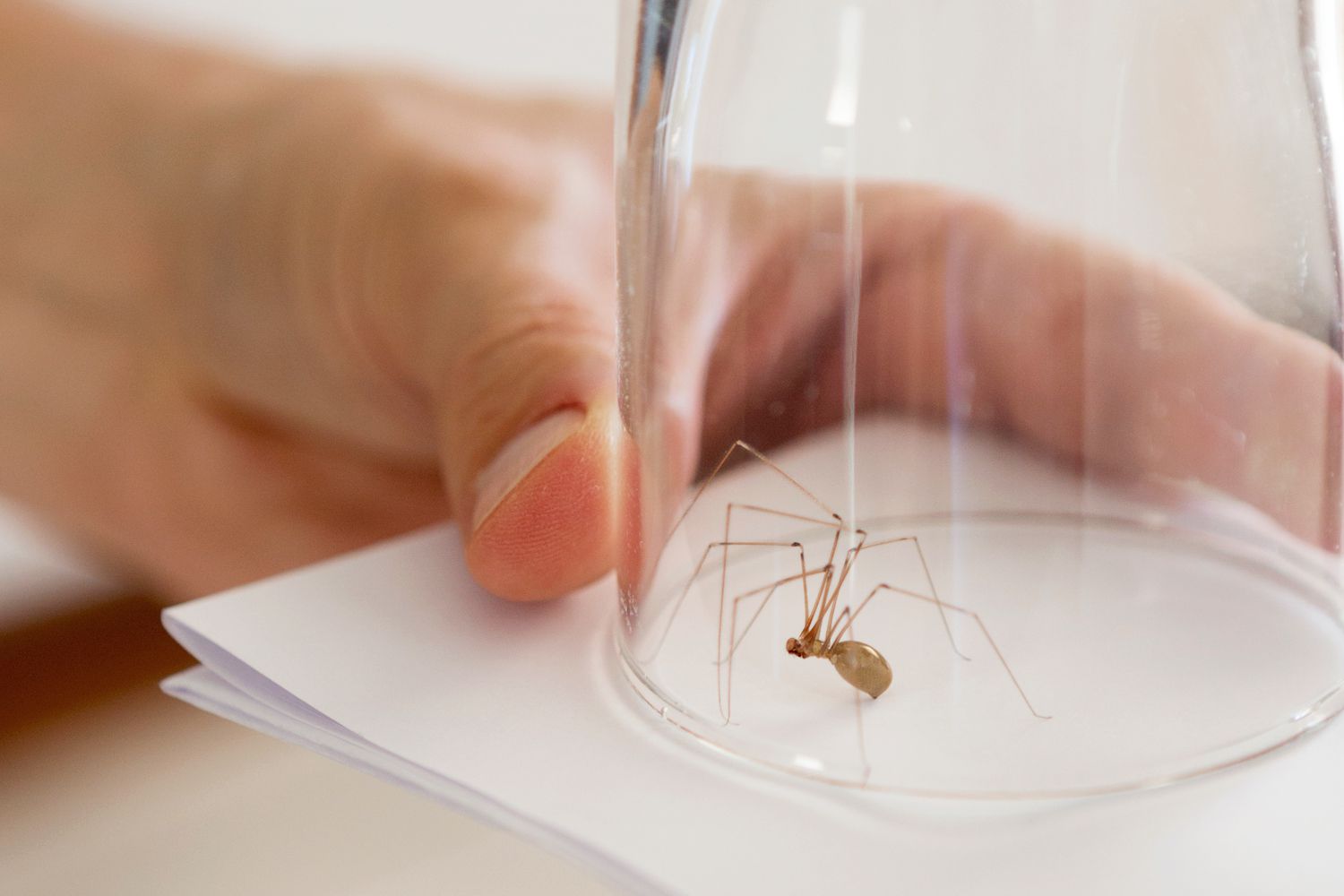
Spiders help control insect populations, but they are still not wanted in any Centennial home. However, they can be a constant concern for residents as they thrive in its dry climate and warm summers. Thankfully, the right pest control strategies will make control efforts successful. This includes working with Saela Pest Control professionals. These experts have been handling spiders for many years, employing techniques based on the species and the severity of the issue. They have studied how different species of spiders behave and use their findings to come up with the best action plan. Below are advanced spider control solutions experts employ:
Smart Inspection and Targeted Detection
Experts handle a spider infestation by thoroughly inspecting the property. They utilize specialized tools and monitoring systems to detect activity. They identify breeding sites and entry points. Also, they determine the species of spiders present to develop a customized control plan. Pest control professionals may use infrared technology and motion-sensitive cameras to find hiding spots in crawls spaces, walls, or basements.
Advanced Residual Treatments
A lot of pest control professionals use microencapsulated and residual insecticides. These products stay effective for a long time, so they do not require heavy reapplication. They release active ingredients slowly and form an invisible barrier to kill spiders on contact. It can continue to work for several weeks. They are usually applied along baseboards, entry points, and corners. Residual sprays are especially effective against wolf spiders, house spiders, and cellar spiders.
Perimeter Protection Systems
Technicians may apply long-lasting products around a home’s foundation, window frames, doorways, and eaves to create a continuous barrier. Such a barrier keeps spiders from entering the home. Some experts improve this solution with moisture-activated granular insecticides. These products work in soil, landscaping beds, and mulch.
Dust and Void Treatments
Insecticidal dusts penetrate hidden spaces that sprays cannot reach. They adhere to the bodies of spiders that travel across treated surfaces. This can effectively eliminate the pests. In addition, experts utilize specialized equipment like electrostatic applicators to ensure solutions are evenly distributed inside cracks and gaps. The treatment stays active for months, offering continuous protection against re-infestation. It works well for black widows and brown recluse spiders, which hide in enclosed areas.
Integrated Pest Management (IPM)
IPM combines several approaches to prevent spider infestations. Technicians inspect structural conditions and minimize environmental attractants. Also, they use targeted treatments as needed. They may recommend improvements such as fixing moisture issues in crawl spaces and basements. Also, they may emphasize the importance of installing weather stripping on doors and windows. Experts may advise replacing outdoor lighting with bulbs that attract fewer insects.
Web Removal and Sanitation Programs
Pest control experts use extendable dusters and specialized vacuums to clear webs from light fixtures, ceilings, and outdoor structures. This discourages spiders from returning o the same area and minimizes egg sacs that could hatch later. Also, professionals sanitize high-risk areas by getting rid of insect remains.
Eco-Friendly and Family-Safe Options
Some pest control companies use treatments with plant-based ingredients and essential oil compounds to repel and eliminate spiders. Such green options offer strong protection against these pests. A lot of them are formulated to break down naturally without leaving harmful residues. Additionally, experts may use biodegradable dusts, which maintain effectiveness for a long time.
Continuous Monitoring and Maintenance
Ongoing monitoring makes sure the issue remains under control. Experts may place non-toxic monitoring traps in discreet spaces to detect early activity. Also, regular maintenance helps reinforce treatments and prevent new infestations. Technicians will apply protective barriers and inspect the property for changes in pest behavior or entry points. Maintenance is usually scheduled quarterly or seasonally.
