

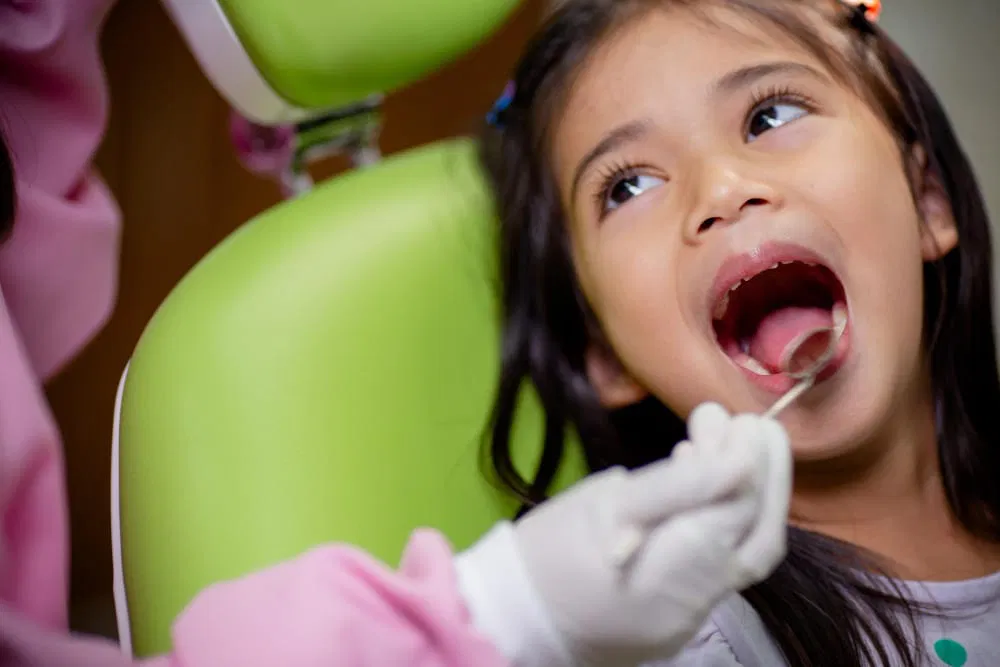
Your family changes as time passes. Teeth do too. Children lose baby teeth and learn new habits. Older adults lose strength and may face tooth loss or pain. You might see these needs as separate. Yet one trusted family dentist can guide every stage. A family practice understands your child’s first cleaning, your teen’s braces, your own gum care, and your parent’s dentures. It keeps your history in one place. It also sees patterns that short visits at urgent clinics miss. You get clear advice that fits your whole household, not one person at a time. When you choose a dentist in Crest Hill, IL who treats both children and seniors, you close the gap between early care and later care. You protect your family from avoidable damage. You gain one steady partner for every smile at your kitchen table.
Why Children And Seniors Need Different Support
You see two ends of life. Both need care. Both face different mouth problems.
- Children are still growing. Teeth move. Jaws change shape. Habits form fast.
- Seniors may lose teeth. Gums can pull back. Medicines can dry the mouth.
Yet both groups share a risk. Small problems grow into emergencies when no one watches closely. A family dentist looks across years. You get early action that protects children and seniors at the same time.
How One Family Dentist Connects Every Life Stage
A family dentist does not split care into boxes. Instead, you bring your whole household into one office. This gives you three clear strengths.
- Shared history. Your dentist knows allergies, health limits, and fears for each person.
- Linked habits. Your dentist sees how family routines at home affect everyone.
- Future planning. Your dentist plans care for years, not for one visit.
This linked view cuts the gap between the start of life and later years. It turns scattered visits into one steady line of care.
Key Differences In Needs: Kids Versus Seniors
The table below shows how needs change and where a family dentist steps in.
| Age Group | Main Mouth Needs | Common Risks | Family Dentist Support |
|---|---|---|---|
| Young children | Baby teeth checks and cleanings | Cavities from snacks and drinks | Fluoride, sealants, parent coaching |
| Teens | Guiding new adult teeth | Crowding, sports injuries | Braces checks, mouth guards, habit talks |
| Adults | Gum care and repair | Gum disease, grinding teeth | Deep cleanings, night guards, stress support |
| Seniors | Tooth replacement and comfort | Tooth loss, dry mouth, root decay | Dentures, implants, medicine review |
When one office handles all four groups, warning signs in one person can protect another. If a parent has strong gum disease, the dentist watches children more closely. If a grandparent takes a medicine that dries the mouth, the dentist checks if a teen uses any similar drug.
Shared Habits That Protect Both Young And Old
Healthy mouth habits do not change with age. You brush. You clean between teeth. You see the dentist on a set schedule. The difference is how much help you need.
- Young children need you to brush for them and limit sugar.
- Teens need coaching about sports guards, tobacco, and vaping.
- Seniors may need help with brushing tools or denture care.
A family dentist teaches these steps in plain words. You learn how to turn one routine into a house rule. You also learn how to adjust that rule as your family gets older.
The Centers for Disease Control and Prevention explains how early habits lower tooth decay in children. You can read more at CDC Oral Health for Children.
How Regular Visits Reduce Emergencies
Emergencies shock you. They also hurt your budget. Cracked teeth, infections, and sudden pain often come from slow growing problems. A family dentist can spot those problems.
During regular visits, your dentist can
- Find soft spots before they become deep cavities
- Watch gum changes that might lead to loose teeth
- Check bite changes that could break teeth or fillings
- Review medicines that dry the mouth or thin the blood
For seniors, this early action can prevent infections that spread to the body. For children, it can prevent missed school days. For you, it means fewer nights in an emergency room.
The National Institute of Dental and Craniofacial Research explains how mouth health links to whole body health. You can learn more at NIDCR Oral Health Information.
Supporting Caregivers Across Generations
You might care for a child and an aging parent at the same time. That weight can feel heavy. A family dentist can ease one part of that load.
Your dentist can
- Set appointments together so you miss less work
- Explain care steps in clear language for home use
- Show you how to help a parent with brushing and flossing
- Give school notes and senior reports in one visit
This support turns dental care from a scramble into a set plan. It shows children that care continues through life. It shows seniors that they still deserve attention.
Choosing A Family Dentist That Fits Your Household
When you look for a family dentist, focus on three questions.
- Does the office welcome both children and seniors with patience
- Does the dentist explain treatment in plain words without pressure
- Can you schedule group visits and share questions as a family
Also check if the office tracks your shared history across years. That record can reveal patterns that protect every person you love.
Closing The Gap Between First Tooth And Last Visit
Family dentistry links your child’s first tooth to your parent’s last checkup. It keeps stories, habits, and needs in one trusted place. That link cuts risk, fear, and cost. It also builds a sense of safety every time you open your mouth to speak, eat, or smile.
You deserve that steady support. Your family deserves it too.
