

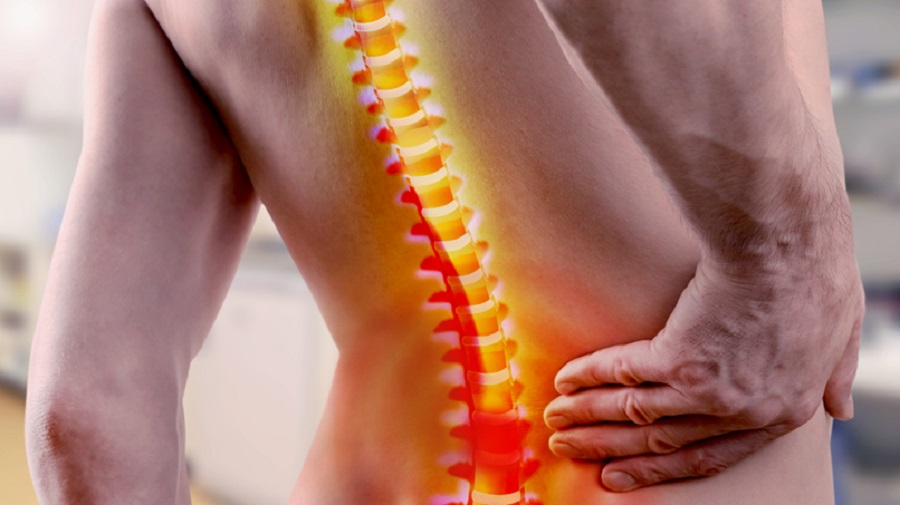
The human spine is a marvel of nature. Its complex structure provides the body with crucial support while allowing for a wide range of movement. A healthy spine has a natural curvature that enables it to distribute the weight of the body evenly across its length. In this article, we take a closer look at the normal curves of the spine and the importance of maintaining proper alignment for overall well-being.
The Three Natural Curves
1. Cervical Curve
The spine begins at the neck with the cervical curve. The upper seven vertebrae make up this region, which supports the weight of the head, helps maintain balance, and allows for head rotation. The cervical curve is a gentle forward curve known as a lordotic curve.
2. Thoracic Curve
The thoracic curve plays a vital role in supporting the rib cage and the organs it protects. The natural curvature in this region is a gentle outward curve, or kyphotic curve, which contributes to the stability of the upper body.
3. Lumbar Curve
The lumbar curve, found in the lower back, contains five vertebrae and is another lordotic curve. The lumbar region carries the majority of the body’s weight and plays a significant role in providing strength, flexibility, and movement for the lower half.
The Importance of a Healthy Spine
Maintaining the normal curves of the spine is vital for proper posture, balance, and prevention of pain or discomfort. A healthy spine offers:
- Efficient distribution of body weight.
- Shock absorption during movement.
- Flexibility and support for various activities.
- Protection of the spinal cord.
Spinal conditions, such as stenosis, can lead to discomfort, pain, and limited mobility. This technique relieves pressure on the spinal cord and nerves, increasing blood flow and promoting healing.
Treatment Options
Fortunately, there are several treatment options available to help realign the spine and maintain its natural curves. Physical therapy is a popular choice and can be an effective way to restore mobility and improve posture. Other treatment options may include:
- Manual therapy – a hands-on approach that can help reduce pain and increase flexibility.
- Bracing – this technique is used to support weakened areas of the spine, helping to reduce stress on the affected area.
- Surgery – in cases where the spine has shifted significantly, surgery may be recommended.
No matter which treatment option is chosen, it’s important to keep in mind that proper posture and alignment are essential for maintaining optimal spine health. You may also consider lumbar spinal decompression for your patients, as this technique relieves pressure on the spinal cord and nerves, increasing blood flow and promoting healing.
Ultimately, understanding the normal curves of the spine and how to maintain them is essential for overall well-being. By providing your patients with the necessary education, you can make sure they’re making informed decisions about their health.
To Conclude
We hope this article has provided you with a better understanding of the normal curves of the spine and the importance of maintaining proper alignment for overall well-being. Remember, it’s essential to provide your patients with the necessary education so they can make informed decisions about their health. So don’t forget to check in with your patients regularly and remind them of the importance of good posture and alignment. With this knowledge, you can help ensure they’re staying fit and healthy.
