As we grow older, staying active becomes very important. Regular physical activity can help you live longer and feel better. It not only improves your body but also your mind and quality of life. Doing the right exercises can keep you strong, full of energy, and independent.
This guide will show some simple exercises that focus on heart health, strength, flexibility, and balance. Whether you are just starting or already doing some activity, these exercises can help you stay healthy.
Why Exercise is Important for Older Adults
Before looking at the exercises, let’s understand the benefits of staying active.
Physical Health Benefits:
Healthy Heart and Lungs: Exercises that make your heart beat faster help it stay strong. Breathing exercises or simple walking also help your lungs work better.
Stronger Immune System: When you move your body regularly, it helps your body fight sickness. It can even make vaccines work better.
Lower Risk of Diseases: Exercise helps lower your chances of getting diseases like diabetes or heart problems. Using the Fitness refined workout appcan help you stay consistent, as it controls your blood sugar, blood pressure, and cholesterol.Maintain a Healthy Weight: As you age, your body slows down. Exercise helps burn calories and build muscle, which makes it easier to manage your weight.
Stronger Bones: Exercises like lifting light weights or walking can help your bones stay strong and lower the risk of weak bones or fractures.
Mental Health Benefits:
Less Stress and Anxiety: Moving your body helps release “feel-good” chemicals in your brain. This helps you feel calm and relaxed.
Better Mood: Exercise can help fight sadness and boost your mood. Reaching small fitness goals also makes you feel proud.
Improved Memory: Physical activity increases blood flow to your brain. This can help you think clearly and remember things better.
Sleep Better: When you are active during the day, it becomes easier to fall asleep at night and rest well.
Better Quality of Life:
Do Daily Tasks Easily: Regular exercise keeps your body flexible and strong. This helps you do everyday activities like walking, carrying things, or climbing stairs.
Better Balance: Exercises that improve balance can stop you from falling. This keeps you safe and steady on your feet.
Make Friends: Joining a group walk or fitness class can help you meet others and feel less lonely.
Feel More Confident: Small wins in your fitness routine can boost your confidence and make you feel good about yourself.
Types of Exercises to Include
For best results, include these four types of exercises:
Cardio (Heart Health): Walking, swimming, or cycling can help your heart and lungs stay strong.
Strength Training: Lifting light weights or using your body weight (like squats or wall push-ups) helps build muscles.
Flexibility: Stretching helps your muscles stay loose and improves how far you can move your joints.
Balance: Simple balance exercises, like standing on one foot or slow movements, help prevent falls.
Detoxification is most often the immediate step in treating substance use disorders. However, detoxification is not sufficient for maintaining recovery. Addiction-Medication-Assisted Therapy (MAT) becomes an important part of recovery as it provides support in an individual’s medical treatment for sobriety and general improvement in the quality of life.
What is Medication-Assisted Treatment (MAT)?
A MAT integrates counselling and therapy services with FDA-approved medications into the overall treatment that helps individuals addicted to opioids or other substances and their addictions from alcohol and other forms of substance use. You can contact the drug rehab in utahfor more information.
The goals of MAT treatments include;
Reducing Cravings
Alleviating Symptoms of Withdrawal
Preventing Relapse
Supporting Long-Term Recovery
MAT is not a miraculous cure, rather, it is a type of long-term treatment tool useful in conjunction with other psychotherapy treatments to help one rebuild their life of an individual.
How MAT Functions During the Recovery Process
Such MAT connects the two ends of the physical dependence while expanding the mind to become free to view the psychological and emotional aspects of recovery. MAT, therefore, plays the following roles:
1. Minimizing Withdrawal Symptoms
Withdrawal might be one of the most agonizing and distressing processes in recovery, which can increase the chances of relapse among individuals who wish to stay away from the withdrawal symptoms. MAT will help manage the withdrawal symptoms, thus allowing people to continue their commitment to the plan and healing process.
2. Mental and Emotional Health Promotion
Reduces cravings and prevents relapse, which enables individuals to optimize participation in counselling, therapy, and behavioral treatments. The synergy of both provides a psychological and physical direction for understanding the addiction.
3. Relapse Prevention
MAT has proven to be effective in relapse prevention, especially for recovering women from opioid or alcohol addiction. An example of a medication is methadone, buprenorphine, or naltrexone, which allow individuals to maintain their stability while learning healthy ways of coping and developing life skills.
Benefits of MAT for Long-Term Recovery
• Improved Treatment Retention:
MAT increases the chance of continuing in treatment for long enough to affect a lifetime of success.
• Better Quality of Life:
Stabilizes cravings and withdrawal symptoms, enabling people to rebuild their personal and professional lives, void of addictive pull.
• Whole-Person Recovery:
MAT addresses physical and emotional processes in recovery, making it a complete solution for addiction treatment.
Conclusion
Medication-assisted treatment is one of those important tools for anyone wanting to pursue a long-term sober life. It not only suppresses cravings and withdrawal symptoms but also builds a foundation for starting over in recovery.
When medications are incorporated into therapy, MAT will help provide the basis for rebuilding a person’s life in recovery. If you or someone you know is dealing with addiction, MAT might be the answer to opening a post-addiction success story.
In recent years, spiritual psychiatry has grown beyond traditional frameworks to include complementary modalities that support emotional, psychological, and spiritual healing. Among these modalities, energy healing techniques have gained recognition for their ability to address imbalances that go beyond the mind and body. Today, individuals seeking deeper transformation often turn to a spiritual psychiatrist in California to explore holistic avenues that encompass both science and spirit.
Understanding the Role of Energy Healing in Psychiatry
Energy healing operates on the belief that disruptions in a person’s energy field can contribute to emotional distress and physical illness. Within spiritual psychiatry, this understanding complements the diagnostic and therapeutic tools of conventional mental health care, enriching treatment with subtle yet powerful techniques.
Merging Traditional and Holistic Approaches
Before energy healing found its place in psychiatric practices, early pioneers like Carl Jung laid the groundwork for integrating spiritual dimensions into mental health. His work emphasized the unconscious mind, archetypes, and the soul’s journey—all themes echoed in today’s spiritual psychiatry. Jung’s insights into the symbolic and metaphysical aspects of the psyche continue to influence modern approaches that honor both the scientific and the mystical. In fact, many practitioners view Carl Jung as the father of spiritual psychiatry and spiritual psychology, recognizing how his legacy paved the way for integrating energetic and spiritual frameworks into clinical care.
Energy healing techniques such as Reiki, chakra balancing, and breathwork are often introduced as supportive tools. These practices work synergistically with psychiatric treatment plans to help patients process trauma, manage anxiety, and reconnect with a sense of purpose or inner peace.
Energy Techniques Commonly Used in Spiritual Psychiatry
Spiritual psychiatrists trained in integrative modalities may incorporate various energy-based interventions. Each is tailored to the individual’s needs, creating a multidimensional healing experience:
Reiki Healing: This Japanese technique uses gentle touch or hand hovering to promote energy flow and relaxation.
Chakra Therapy: Focused on balancing the body’s energy centers, chakra therapy can relieve emotional blockages and enhance mental clarity.
Somatic Breathwork: This technique aligns breathing patterns with emotional release, facilitating deep healing through the body’s energy systems.
These methods are not used in isolation but rather integrated into a broader therapeutic framework that includes psychotherapy, medication management, and spiritual counseling where appropriate.
Spiritual Connection and Emotional Balance
Energy healing invites individuals to explore inner dimensions that are often overlooked in conventional care. It fosters a deeper sense of connection with the self and the universe, contributing to emotional resilience. Many patients report heightened intuition, reduced anxiety, and increased clarity after combining spiritual and energy-based practices.
A unique strength of this integrative approach is its flexibility—it respects the client’s belief systems while offering expansive tools for healing. As a result, spiritual psychiatrists become not only medical professionals but also guides through transformative life experiences.
Conclusion
Integrating energy healing into spiritual psychiatry is more than a trend—it is a reflection of a growing desire to understand and treat the whole person. This approach bridges scientific insight with spiritual wisdom, offering support that reaches beyond symptom management. Individuals seeking profound healing often find that the combination of energy techniques and psychiatric care empowers them to live with greater alignment, clarity, and emotional strength.
Whether through rebalancing the body’s energy or exploring the unconscious mind, spiritual psychiatry continues to evolve—honoring both ancient traditions and modern understanding in its quest to heal the soul.
Combining fish oil with specialised eye nutrients creates a comprehensive approach to ocular health that addresses both structural and functional aspects of vision. The unique fatty acids in fish oil support the retina’s cellular membranes, while complementary nutrients target specific eye tissues and visual processes. This synergistic combination provides complete protection compared to either component alone, especially for individuals facing age-related vision challenges or screen-related eye strain. fish oil omega 3 supplements deliver two essential fatty acids, EPA and DHA that are fundamental building blocks for eye tissues. These fatty acids incorporate into cell membranes throughout the visual system, enhancing membrane fluidity and function.
Omega-3 and eye connection
The retina contains one of the body’s highest concentrations of DHA, a primary omega-3 fatty acid found in fish oil. This essential fat comprises 30-40% of the polyunsaturated fatty acids in the retina’s photoreceptor cells, which interpret light to produce vision. Without sufficient DHA, these cells cannot maintain optimal membrane properties or adequately respond to light stimulation. Omega-3 fatty acids also improve certain eye conditions. They support the tiny blood vessels that nourish the eyes while reducing inflammatory processes that can damage delicate ocular tissues. This vascular support proves particularly important in the retina, where tiny capillaries support critical metabolic functions of photoreceptor cells.
Protection against age-related issues
The combination of fish oil with specialised eye nutrients provides multi-faceted protection against common age-related vision concerns:
Macular health – Omega-3s reduce inflammation while eye-specific carotenoids filter harmful blue light
Retinal protection – DHA maintains photoreceptor function while antioxidants neutralise free radicals
Tear film integrity – EPA helps regulate oil gland function, while specific vitamins support tear production
Vascular support – Omega-3s maintain healthy blood flow while antioxidants protect vessel walls
Lens clarity – Anti-inflammatory effects reduce oxidative stress that contributes to clouding
These complementary mechanisms create a protective network that addresses the complex, interconnected processes involved in age-related vision changes. The anti-inflammatory properties of omega-3s work alongside the antioxidant benefits of eye-specific nutrients to maintain visual function as the eyes face increasing challenges with age.
Dry eye relief
The tear film covering the eye’s surface consists of three distinct layers, including an oily outer layer that prevents tear evaporation. Omega-3 fatty acids help regulate the function of meibomian glands that produce this oil, improving tear film stability and reducing evaporation. This approach addresses multiple aspects of dry eye syndrome when combined with nutrients supporting the aqueous (middle) tear layer. Omega-3s also provide anti-inflammatory properties, which can reduce irritation on the ocular surface. This effect complements specialised eye nutrients that support tear production and quality. Many patients report improved comfort when using this dual approach compared to either strategy alone, particularly those experiencing dry eye related to digital device use or environmental factors.
Visual processing efficiency
Beyond physical eye structures, specific nutrients support the neural aspects of vision, which is how the brain processes visual information. Omega-3 fatty acids maintain the myelin sheaths surrounding nerve fibres, transmitting visual signals from the eyes to the brain. Several vitamins facilitate biochemical reactions involved in the visual cycle. The combination improves contrast sensitivity and visual processing speed, but subtle aspects of vision are not measured in standard eye exams. These improvements become particularly noticeable during challenging visual tasks like night driving, reading fine print, or maintaining focus during extended screen time.
Implant-supported dentures offer toothless individuals an alternative that’s both more natural-looking and secure than regular dentures, providing greater stability over the course of their wearer’s lifetime. Suppose this sounds appealing to you, consider dentures as an option to resolve tooth loss in Sydney. In this article, you’ll gain all the knowledge about implant-supported dentures – their advantages, operation process and how affordable dentures in Sydney suppliers may fit the bill!
Implant-Supported Dentures: Definition
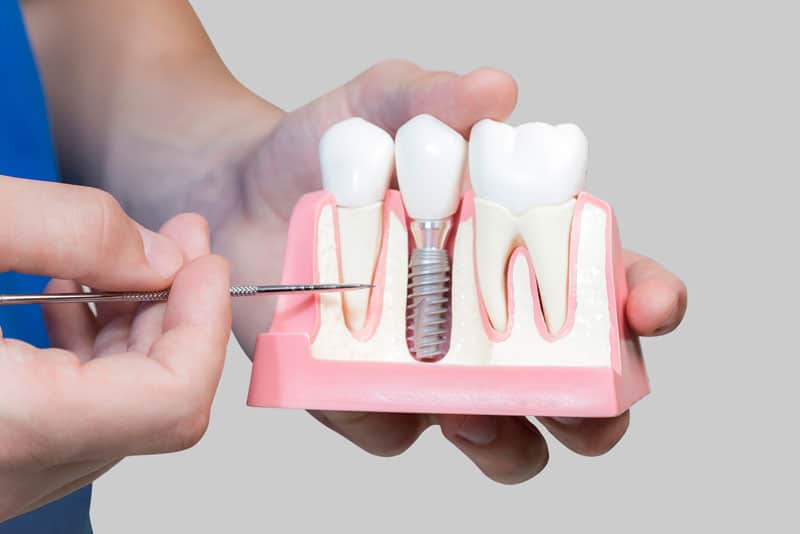
Implant-supported dentures are dental prostheses securely fastened to dental implants placed into the jawbone, unlike regular dentures, which sit on gums alone. Instead, implant-supported dentures use titanium supports surgically placed into your jaw to act like fake tooth roots to add stability when talking or eating, helping the denture remain stationary during speech or eating.
Two primary kinds of implant-supported dentures exist.
Bar-Retained Dentures: With these dentures, a metal bar connects directly to implants as support system and clips into place as part of their retainment mechanism.
Ball-Retained Dentures: Implants featuring small ball-shaped attachments fit securely into sockets on a denture to form an effective grip and retain it securely in your mouth.
These options provide a more natural feel and secure fit compared to standard dentures.
Implant-Supported Dentures Offer Advantages
Enhance Comfort And Stability
Implant-supported dentures offer many distinct advantages; perhaps one of their greatest is stability. Conventional dentures often shift and shift around in your mouth, becoming irritating or bothersome; with implant-supported dentures, you won’t experience that movement, thanks to dental implants serving as anchors – providing a snug, secure fit without sliding or slippage when eating, talking, or smiling without fear that your dentures might move! They make for confident eating, talking and smiling experiences without worry over whether your dentures might move around too much while eating, talking or smiling without concern over moving dentures.
Maintaining Jawbone Health
Without stimulation from natural tooth roots, jawbone health degenerates over time when teeth are lost. By stimulating them like natural roots do, dental implants help preserve jawbone integrity – keeping its contour in your face while decreasing chances of bone loss.
Enhancing Natural-Looking Features And Feelings.
Implant-supported dentures are custom-tailored to perfectly match the contours of your mouth so as to complement and blend in seamlessly with natural teeth. Secured to your jawbone, implant-supported dentures offer greater comfort when worn than standard dentures while looking more realistic than regular versions – giving a boost to your smile!
Increased Self-Assurance
Implant-supported dentures provide many significant advantages that increase one’s sense of confidence, such as not worrying about them slipping out when eating or speaking as they remain securely in position and appear natural, giving you freedom from self-consciousness when socialising and eating freely in public places without feeling self-conscious or awkward about doing so. They may help make you more relaxed.
How Dentures Supported By Implants Operate
Implant-supported denture processes typically consist of several stages and could take many months to complete. Here’s a summary of this typical course of action:
Step 1: Planning And Consultation
Consultation with a dentist or oral surgeon should be the initial step towards implant-supported dentures. At this appointment, your dentist will review your dental health, take an X-ray of you and assess if enough bone structures remain for supporting implants – should this prove the case, it might require bone transplant surgery first before going ahead with this journey.
Step 2: Implant Placement
Once approved for implants by your dentist, titanium posts will be surgically installed into your jawbone under local anaesthetic for maximum comfort during this procedure. After placement, they must fuse to fuse to bone via an osseointegration process in which many months pass before becoming fully integrated with it and becoming permanent fixtures of your jawbone.
Step 3: Abutment Attachment
Once implants have fused completely with bone tissue, small connectors known as abutments will be secured atop them to create an even surface for dentures to sit upon.
Step 4: Position The Denture Prop
Your custom-made dentures will then be attached to the implants through their abutments – giving you confidence when eating, speaking and smiling with them in place. Recover your smile!
Final Thoughts
Implant-supported dentures offer long-lasting, comfortable, and natural-looking solutions for replacing lost teeth. A great choice for anyone seeking consistent solutions for improving their smile with its increased stability, improved performance, and long-term advantages – it may provide long-term advantages as long as proper attention is taken in caring for it. When making this choice, be sure to speak to an expert dental advisor who can guide you through the procedure while finding economical dentures suitable to both your requirements and budget – implant-supported dentures may give lifetime benefits with proper care taken care of them.
Regarding muscle building and fitness, protein supplements are quite important. Among the many protein sources at hand, whey protein isolate is a gold standard for those looking for pure muscle increase. Athletes, bodybuilders, and fitness buffs all find great benefits from its unusual mix and processing techniques.
Exceptional Purity and Minimal Impurities
After a careful filtration procedure removing most of lipids, lactose, and carbs, whey protein isolate produces a protein concentration of 90% or more. For individuals trying lean muscle development without extra calories or stomach discomfort, this great degree of purity is a major benefit. For those with lactose intolerance, the reduced lactose content qualifies as an appropriate choice since it reduces the risk of gastrointestinal problems or bloating.
Rapid Absorption for Optimal Muscle Recovery
The fast absorption rate of whey protein isolate sets it apart and is a key component of its efficacy. After intake, it breaks down quickly and enters the bloodstream really remarkably fast. This fast influx provides essential amino acids right away to muscle tissues, starting muscle protein synthesis. Rebuilding muscles after exercise-induced stress depends on this process. Especially after an exercise, amino acid supply timing is critical. The recovery mechanism runs more effectively the faster these building blocks reach the muscles. This quick delivery encourages the healing of injured muscle fibers and helps to reduce muscular breakdown. Therefore, whey protein isolate is a favorite choice among athletes and fitness enthusiasts trying to maximize their post-exercise gains since its fast absorption rate helps ideal muscle recuperation.
Ideal for Lean Muscle Building and Weight Management
For people who give lean muscle development and fat loss first priority, whey protein isolate is clearly a better source of proteins. Its low fat and carbohydrate count helps one to consume clean calories, thereby avoiding undesired weight increase. The concentrated protein profile makes one feel full, therefore reducing total calorie intake and hence controlling hunger pangs. During times of food restriction or cutting phases, when the main objective is to lose fat without compromising hard-earned muscle, this quality comes quite handy. Whey protein isolate helps to preserve muscular tissue, maximizes body composition, and supports general fitness goals by guaranteeing enough protein consumption. Its simplicity of digestion adds even more appeal for pre- or post-workout ingestion.
Conclusion
Whey protein isolate comes in several easy-to-eat forms beyond smoothies. Protein bars, smoothies, and powders suit every diet and lifestyle. It boosts protein consumption quickly when mixed with water, milk, or other drinks. Additionally, its neutral taste inspires culinary creativity. Whey protein isolate can be used to smoothies, baked goods, and other recipes to boost protein intake without compromising taste. This versatility makes it ideal for those looking to increase protein intake while maintaining their current diet, supporting a sensible and pleasant diet.
Aisha Massage London emphasizes the importance of creating a nurturing environment for a transformative tantric massage experience. Soft lighting and soothing sounds enhance relaxation, while breathwork deepens emotional connection and energy flow. Trust and open communication are essential, allowing individuals to express boundaries and desires. Incorporating mindfulness techniques promotes awareness and intimacy. Each session becomes a holistic journey of self-discovery, inviting continued exploration of desires and connections. Discover additional insights to enrich your tantric experience.
Tantric massage embodies a profound exploration of energy and intimacy, rooted in ancient traditions that emphasize the connection between body, mind, and spirit. Practitioners aim to cultivate a harmonious energy flow, encouraging the release of emotional blockages that may hinder personal growth and connection. This form of massage transcends mere physical touch, inviting participants to engage in a journey of self-discovery and heightened awareness.
Central to its practice is the understanding that touch can facilitate emotional release, allowing deep-seated feelings to surface and be acknowledged. Through intentional breathwork and mindful movements, individuals can unlock their bodies’ latent energies, fostering a sense of liberation and unity. The experience is designed to awaken the senses, enhancing intimacy not only with oneself but also with a partner. In this sacred space, the principles of Tantric massage create a profound environment for healing and connection, making it a transformative practice.
Creating the perfect ambiance is essential for an enriching tantric massage experience. The environment should evoke a sense of tranquility, allowing the recipient to fully immerse themselves in the moment. Soft, warm lighting ambiance plays a crucial role; dim lights or candles can create a cocoon of intimacy.
In addition to the visual elements, soothing sounds enhance the atmosphere. Gentle music or nature sounds can promote relaxation and help to silence the mind, facilitating a deeper connection with the body. Aromatherapy, using essential oils, adds another layer by engaging the sense of smell, further enhancing the overall experience.
The space should be uncluttered and inviting, encouraging a sense of safety and openness. By thoughtfully considering these elements, one can set the stage for a transformative tantric massage, where surrender and exploration are embraced. This careful preparation invites a profound journey into intimacy and self-discovery.
Breath serves as a vital conduit in the realm of tantric massage, acting as both a guide and a facilitator for deeper connection. Practitioners and recipients alike can enhance their experience through breath awareness, which fosters a profound sense of intimacy and presence. Conscious breathing helps to synchronize energies, allowing participants to enter a shared state of heightened sensitivity and relaxation.
As one becomes attuned to their breathing patterns, the body naturally responds, releasing tension and inviting a flow of energy that enhances the overall experience. This rhythmic exchange of breath creates a sacred space where emotional and physical barriers dissolve.
Incorporating breathwork into tantric massage not only enriches the experience but also deepens the exploration of sensations and intimacy. Ultimately, the practice of conscious breathing transforms the massage into a holistic journey, leading to greater fulfillment and connection between partners.
While engaging in a tantric massage, the incorporation of mindfulness techniques can significantly elevate the experience for both the practitioner and the recipient. By integrating mindfulness activities, such as focused breathing and body awareness, the session transforms into a deeper exploration of sensations and intimacy. Practitioners can guide recipients through meditation practices, fostering a serene environment where the mind can let go of distractions and embrace the present moment.
This heightened awareness allows both parties to connect on a more profound level, enhancing emotional and physical responses. As the recipient tunes into their body, they become more attuned to sensations, making the experience more fulfilling. Likewise, the practitioner, grounded in mindfulness, can channel their energy more effectively, facilitating a harmonious exchange. Ultimately, the fusion of mindfulness techniques in tantric massage cultivates a sacred space where healing and pleasure intertwine, enriching the journey for everyone involved.
Establishing a foundation of trust and communication is essential for a transformative tantric massage experience. Practitioners emphasize the importance of engaging in trust exercises before the session begins. These exercises create a safe space where both the client and the practitioner can express their boundaries and desires openly. By discussing intentions and preferences, they can form a deeper connection that enhances the overall experience.
Communication cues play a pivotal role throughout the massage. Subtle signals, such as body language and breath patterns, allow for a fluid exchange of energy. Clients are encouraged to share their feelings and feedback during the session, fostering a dynamic dialogue. This ongoing communication not only reassures the client but also empowers the practitioner to tailor the experience to individual needs. Ultimately, building trust and maintaining open lines of communication enrich the sensual journey, paving the way for profound relaxation and healing.
As clients delve into the realm of tantric massage, the exploration of sensual energy becomes a profound aspect of the experience. This journey often leads to a sensual awakening, allowing individuals to connect deeply with their own bodies and desires. Practitioners guide clients to become attuned to the subtle sensations that arise, facilitating a harmonious energy flow throughout the session.
Understanding and embracing this energy enables clients to release inhibitions, fostering an environment of trust and openness. The vibrancy of sensual energy can heighten awareness, igniting passion and intimacy. Each touch and breath serves as a conduit for energy transfer, cultivating a deeper connection to oneself and the present moment.
Ultimately, the exploration of sensual energy in tantric massage not only enhances the experience but also promotes a holistic sense of well-being, inviting individuals to rediscover their innate sensuality and vitality.
A variety of techniques can elevate the experience of tantric massage, fostering a deeper connection between practitioner and client. Central to this process is the concept of energy exchange, where both parties become attuned to one another’s rhythms and vibrations. Practitioners often utilize specific touch techniques, such as feather-light strokes or firm pressure, to stimulate the body’s energy pathways. These methods not only awaken the senses but also encourage emotional release, allowing for a more profound connection.
Breathwork plays a vital role; synchronized breathing can create a harmonious flow, enhancing the shared experience. Additionally, the use of sacred space, infused with calming scents and soft lighting, sets the tone for intimacy and trust. By engaging fully in the present moment, both the practitioner and client can transcend the physical, inviting a soulful union that deepens their connection and amplifies the overall experience of the massage.
While the experience of tantric massage can be profoundly transformative, the importance of aftercare and integration practices cannot be overlooked. Following a session, individuals are encouraged to engage in self-care routines that promote relaxation and emotional healing. Simple practices such as warm baths infused with essential oils, gentle stretching, or mindful meditation can help to ground and center one’s energy.
Emotional processing is equally vital; journaling thoughts and feelings that arise post-massage can facilitate understanding and release. This reflective practice allows for deeper insights into personal experiences, fostering a sense of clarity and connection.
Additionally, connecting with nature or engaging in creative activities can serve as powerful tools for integration. By nurturing the body and mind, individuals can fully embrace the transformative effects of their tantric journey, ensuring a harmonious balance between sensual exploration and emotional well-being.
Continuing Your Tantric Journey
Continuing the tantric journey invites individuals to delve deeper into the realms of self-discovery and connection, transcending the boundaries established during a single session. Engaging in regular tantric rituals fosters a profound understanding of one’s own desires and emotional landscapes. Each experience acts as a stepping stone, enhancing personal exploration and facilitating a more intimate relationship with oneself and others.
As practitioners embrace ongoing learning, they may explore various techniques, such as breathwork, movement, and meditation, which amplify energy flow and deepen awareness. Attending workshops or seeking guidance from experienced practitioners can further enrich this journey, providing insights into the intricate layers of sexuality and spirituality.
Ultimately, the path of tantra is not merely about physical touch; it is a holistic approach to life that encourages individuals to remain open, curious, and attuned to their innermost selves, leading to more fulfilling connections and experiences.
Good eyesight forms a vital part of daily life: reading, working, and leisure. People do not pay enough attention to this body part until a problem arises. Some eye problems may be gradual, and if not treated as required, worse conditions can be caused. Fortunately, most eye conditions can be diagnosed and treated by eye specialists in Singapore, armed with the relevant skills and technology. This article examines how an eye specialist can improve your vision and why regular eye check-ups are important. First is the definition of an eye specialist.
The Role that an Eye Specialist Plays in Ensuring Good Eyesight
Ophthalmologists, or eye specialists, examine and treat conditions and diseases of the eye. These medical doctors have specialised training in eye and vision care and are thus capable of managing conditions that range from routine eye examinations to sophisticated surgical procedures. Visiting an eye specialist clinic in Singapore will be worth it whether you experience some minor discomfort or have more important issues regarding your vision.
Good vision can be maintained by periodic eye examinations. In nearly every eye disease, including but not limited to conditions such as glaucoma or macular degeneration, the disease often progresses quite a distance before any symptoms are noticed. Most eye disorders can be diagnosed from this early stage by an eye specialist utilising their expertise along with various pieces of equipment. This will allow them to make the earliest intervention possible and begin treatment for eye disorders.
Early Detection with Complete Eye Examinations
The regular visit to any eye specialist clinic in Singapore may be more than just setting your eyesight, but, in comprehensive eye tests, the assessment of general health is included. The specialists will peep into the retina, the optic nerve, and other internal parts of the eye that are very important in the early detection of conditions such as glaucoma, diabetic retinopathy, and even cataracts.
These are prevented from getting worse except if they are caught early. For example, in the case of glaucoma, a disease that destroys the optic nerve, its early detection can prevent troubles with the eye. Some people do not even realise they have a mild eye condition.
Correcting the Vision: Spectacles, Contact Lenses, and LASIK
All refractive errors (myopia or nearsightedness, hyperopia or farsightedness, and astigmatism) are correctable with glasses or contact lenses prescribed by an eye specialist. For those people who want a more permanent solution, procedures such as LASIK are available. LASIK is one of the top options among those wanting to reduce their dependence on glasses or contact lenses.
However, a specialist in Singapore will determine what is best for treatment; whether you need glasses (or contact lenses) or are even considering corrective surgery, the doctor will check out your vision and discuss options.
With ageing, there are a set of changes that take place naturally in the eyes to affect vision. Incidences of cataracts, presbyopia, and macular degeneration increase with increased age. For example, cataracts involve cloudiness in the eye, consequently causing blurred vision. Fortunately, this is a standard surgery that an eye specialist in Singapore can perform to restore vision by replacing the cloudy lens with an artificial one.
If a person has macular degeneration, eye specialists can provide treatments to make the disease progress slowly and save the remaining vision. Not all age-related conditions can be prevented but visiting an eye specialist clinic in Singapore allows early detection and treatment to ensure you see well into old age.
Chronic Eye Conditions Management
Others may be suffering from other chronic eye conditions, which include dry eyes, glaucoma, or even diabetic retinopathy. These conditions do require continuous management to avoid other complications. An eye specialist in Singapore will hence be in a position to prescribe various treatments, as well as ways through which you may have to make changes to your lifestyle for the sake of managing symptoms and improving quality of life.
For example, patients with eye dryness are easily treated with artificial tears and, in other instances, with other medications to help the eye maintain hydration and comfort. Those who are diagnosed with glaucoma will be followed up regularly with medications that will help control the intraocular pressure. The condition will also minimise the risk of blindness. The close working relationship that may be developed with the eye specialist enables the clinician to help manage the eye problems of the patients suffering from chronic disease by reducing disease progression into a severe stage.
The Need For Routine Eye Assessment
Even if you presently do not have any vision problems, regular eye examinations are still important in ensuring that your eyes stay healthy in the long term. Some conditions of the eyes, such as glaucoma, may not even give symptoms until they have reached a serious stage. Eye professionals can find these out with early detection to offer timely treatment, thus saving one’s eyesight from permanent damage.
Besides this, regular check-ups will help the eye specialist in Singapore monitor your eye health over time and ensure that any fluctuations are duly attended to. If you wear glasses or contacts, you may have an annual check-up so that your prescription is current, allowing clear and comfortable vision.
Your eyes are among the most valuable possessions you have, and their condition should be looked after seriously. By making regular visits to an eye specialist clinic in Singapore, you can get the detected problem corrected in time. Specialists in Singapore go the extra mile to offer you whatever help you need to correct refractive errors, manage some chronic diseases, or age-related changes that might occur as you advance in age to maintain and improve your vision.
If you have reached that time for an eye check-up or are concerned about your eyesight, book an appointment at Nova Eye Centre today. We are waiting to help you keep your eyes in their best state possible!
For men seeking an affordable alternative to brand-name ED treatments like Viagra, Kamagra has become a popular choice. Kamagra offers the same active ingredient found in Viagra, sildenafil citrate, but at a much lower cost. It provides an effective solution for men looking to treat erectile dysfunction without breaking the bank.
How Kamagra Works
Kamagra works in the same way as Viagra by inhibiting the enzyme phosphodiesterase type 5 (PDE5), which regulates blood flow in the penis. By blocking this enzyme, Kamagra helps improve blood flow to the penis, making it easier to achieve and maintain an erection during sexual activity.
Quick Absorption: Kamagra takes effect within 30 to 60 minutes, making it a fast-acting solution for ED.
Duration: Kamagra’s effects last for about 4 to 6 hours, providing ample time for sexual activity.
Why Choose Kamagra?
Affordability: Kamagra is significantly cheaper than brand-name medications like Viagra, making it accessible to a larger audience.
Same Effectiveness: Despite its lower cost, Kamagra delivers the same results as Viagra, helping men achieve firm, long-lasting erections.
User Testimonials
Many men who use Kamagra report that it works just as well as more expensive ED medications. One user shared that Kamagra was a game-changer for him, as it allowed him to treat his ED without spending too much money. Another user mentioned that Kamagra’s fast onset made it easy to enjoy spontaneous sex without planning ahead.
You can buy Kamagra rezeptfrei at bestemed.com, making it an affordable and convenient choice for men seeking effective ED treatment.
Conclusion
Kamagra offers an affordable, effective solution for men dealing with erectile dysfunction. Its fast action and low cost make it a popular choice among men who want the same benefits as Viagra without the high price tag. You can buy Kamagra without a prescription at https://www.bestemed.com/ohne-rezept/kamagra.html to experience the benefits for yourself.
Nurse practitioners face unique challenges when balancing demanding clinical responsibilities with personal well-being. Their schedules often include long shifts, complex patient cases, and administrative tasks that extend beyond traditional work hours. Effective time management strategies are essential for maintaining professional excellence and personal health.
Strategic scheduling techniques
Effective time management begins with thoughtful scheduling practices. Many high-performing nurse practitioners block their calendars into dedicated segments for specific activities. This might include designated patient consultations, documentation, team meetings, and self-development times.
Creating boundaries between these activities helps prevent the common problem of task-switching, which reduces efficiency and increases mental fatigue. Some practitioners adopt modified versions of the Pomodoro technique, working in focused blocks followed by brief breaks to maintain mental sharpness throughout long shifts.
Documentation efficiency systems
Documentation requirements consume substantial portions of a nurse practitioner’s day. Those who manage time effectively develop personalized systems to streamline this process without compromising thoroughness. Template development represents one powerful approach. Creating standardized documentation frameworks for common patient presentations allows faster completion while maintaining clinical accuracy.
Voice dictation technology offers another efficient tool, enabling practitioners to complete notes while moving between patients or during brief downtimes. Many experienced nurse practitioners also adopt batch processing for documentation, setting aside dedicated blocks to complete all charting rather than attempting to finish each patient’s records immediately after their visit. This reduces the mental cost of repeatedly shifting between patient care and administrative tasks.
Delegation and collaboration
The most efficient nurse practitioners recognize when tasks should be handled personally versus delegated to other team members. This requires clear communication about expectations and outcomes rather than micromanaging processes.
Building strong collaborative relationships with medical assistants, nurses, and administrative staff creates mutual trust that supports effective delegation. These relationships allow practitioners to focus on activities requiring their specific expertise while ensuring other essential tasks still receive proper attention. Examples of tasks that might be appropriately delegated include.
Basic patient education reinforcement
Routine follow-up calls
Insurance verification and prior authorizations
Medication refill processing
When delegation occurs thoughtfully rather than haphazardly, the entire care team functions more effectively, creating more sustainable workloads for everyone involved.
Technology optimization
Healthcare technology aims to improve efficiency but often creates additional burdens when implemented poorly. Time-conscious nurse practitioners invest in learning technological tools thoroughly rather than developing minimal workaround skills.
Becoming proficient with electronic health record systems pays substantial dividends, allowing faster documentation, better template usage, and more effective information retrieval during patient visits. Similarly, understanding clinical decision support tools helps practitioners make evidence-based decisions more quickly without sacrificing quality.
Personal sustainability practices
Professional excellence requires personal sustainability. Work-Life Balance for Nurse Practitioners involves deliberate practices that preserve physical and emotional health amid demanding schedules. This includes establishing clear boundaries between work and personal time, creating transition rituals that help shift mental focus between these domains, and protecting time for activities that restore energy rather than deplete it.
The most sustainable careers develop from recognizing that productivity and well-being exist in a mutually reinforcing relationship rather than in competition. When nurse practitioners prioritize both elements equally, they discover that personal health and professional achievement grow together rather than at each other’s expense.