Blog

  • What a Periodontist Does

    What a Periodontist Does

    A periodontist is a specialist in dentistry who deals with the health of gums and structures that support the teeth. While a general dentist is trained to manage most routine dental care, a periodontist has gone through more advanced training in managing problems like gum disease, severe infection, and bone loss around the teeth. They are also the specialists who attend to gum surgery, dental implants, and other advanced treatments.

    It often starts with simple redness or bleeding while brushing, but it can get worse with time and lead to the loss of a tooth. A periodontist is trained to halt the damage and, when necessary, repair its effects. One of their roles is restoring health to the gums and helping prevent further problems from emerging. If bone has been lost due to long-term infection, they may also do grafting or rebuilding procedures.

    If you’re searching for a trusted periodontist servicing Sydney, it helps to know when a referral is needed and what the treatment process usually involves.

    When You Might Need One

    Most people are referred to a periodontist by their regular dentist. You may be sent to one if your gums are pulling away from the teeth, if you have swelling or bleeding that won’t settle, or if your teeth feel loose. These are signs that something more serious may be happening beneath the surface.

    People with long-term conditions such as diabetes or heart disease may also be at higher risk of gum problems. Smoking and family history can play a role in the development of periodontal disease. A periodontist helps manage these issues with regular checks and more focused care. Some people also go to a periodontist because they are preparing for cosmetic work, especially if gum reshaping or dental implants are part of the plan.

    If your gums are sore, or you notice that your teeth look longer than they used to, it may be a sign that your gums have started to recede. This is another reason your dentist might recommend that you see a specialist.

    Why Local Care Matters

    Seeing a periodontist in Sydney means you’re getting care from someone who understands the local environmental effects on dental health. Whether it’s in the city itself, the western suburbs, or closer to the beaches, this means convenience for appointments, ongoing treatment, and follow-up care.

    A number of skilled periodontists in Sydney provide services through private clinics or specialist centres. Others work in hospitals or universities while teaching, giving them a wide range of experience, especially with more complicated cases. Consultations are usually one‑on‑one, and all concerns can be discussed as the treatment process is explained in detail.

    Having access to local care also makes it easier to get help quickly if something changes or if you have questions between visits. Follow-up appointments are simpler to manage when the clinic is close to home or work, especially if treatment continues over several weeks or months.

    What to Expect From Treatment

    Your first visit with the periodontist will include a thorough examination of your gums, teeth, and jawbone. They may take X-rays to show the depth of any infection or if bone loss has occurred. You’ll discuss symptoms you are experiencing, which might include bleeding from the gums, pain, or loose teeth.

    Depending on your condition, treatment can be simple or more involved. For some, it might be a deep clean under the gums, known as scaling and root planing. For others, surgery may be necessary to clean out infected areas or rebuild lost gum or bone. If you’ve lost a tooth, the periodontist may suggest a dental implant.

    You will also be guided on how to take care of your gums at home. Daily brushing and flossing, along with check-ups, are the most important ways to keep things under control. Your periodontist may want to see you again for follow-ups to make sure the treatment is working.

    Keeping Your Gums Healthy

    A periodontist servicing Sydney can give you the support needed to keep your gums in good shape for the long term. Gum disease doesn’t always go away completely, but it can be managed with the right care. Regular check-ups and good daily habits help prevent more serious problems down the track.

    Healthy gums are not just about keeping your teeth. There is growing evidence that gum health is linked with your overall health, including your heart. Getting the right help early can make a big difference to your quality of life and reduce the chance of bigger issues later on.
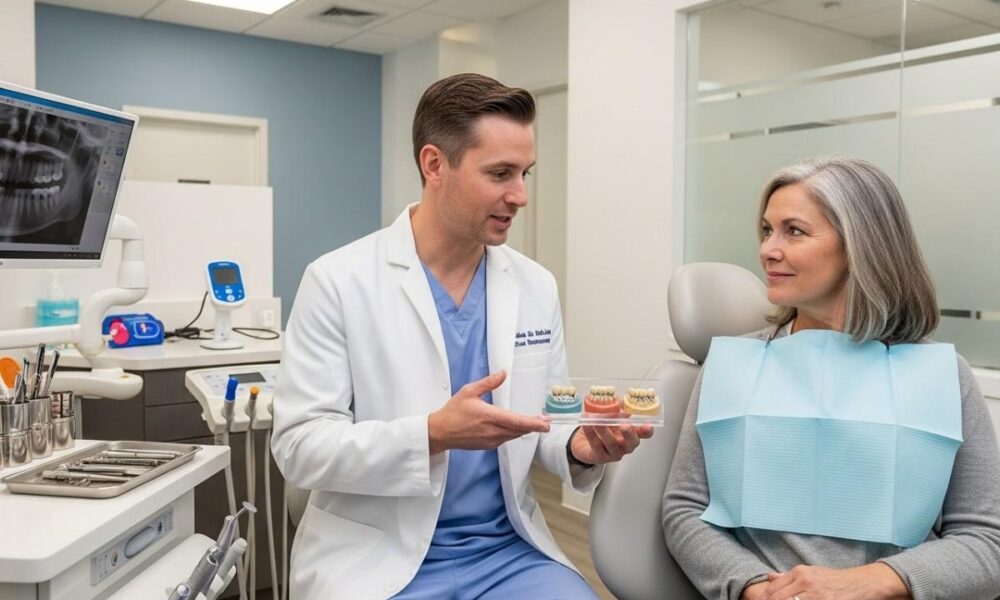
  • Why General Dentistry Is The Foundation For Implant Success

    Why General Dentistry Is The Foundation For Implant Success

    A healthy mouth is important for a strong life. General dentistry plays a key role in reaching this goal. It forms the base for implant success. Regular checkups and cleanings from a dentist in Great Falls keep gums strong. Healthy gums provide the support implants need. General dentistry also helps spot and fix small issues before they become big problems. This proactive care sets the stage for successful implants. When teeth need replacing, your dentist in Great Falls uses this solid foundation to guide implant work. You can trust this seamless approach. General dentistry and implants work together for your benefit. They ensure your smile is stable and long-lasting. This partnership helps boost your confidence. Remember, the path to successful implants begins with taking good care of your mouth today. Your dental health is in good hands with general dentistry as your solid base.

    The Role of Regular Dental Visits

    Visiting your dentist regularly is key. These visits ensure that your teeth and gums stay healthy. A dentist looks for signs of decay, gum disease, or other concerns. Catching these early means simpler solutions. You can prevent future complications that might affect implants. The American Dental Association suggests seeing your dentist at least twice a year. By doing this, you lay a strong foundation for any future dental work, including implants.

    How General Dentistry Supports Implants

    Healthy gums and bones are crucial for implants. Gum disease is a major threat to this health. General dentistry focuses on preventing and treating conditions like these. Cleanings remove plaque and tartar. These can cause gum disease if not addressed. With healthy gums, implants have a better chance of success. The dentist also monitors bone health. Adequate bone is necessary to hold implants firmly in place.

    Understanding the Connection Between Oral Health and Implants

    Good oral health is more than just avoiding cavities. It involves keeping gums and bones healthy too. This overall health is vital for implants. Damaged gums or bones can lead to implant failure. General dentistry helps maintain this balance. Through care and monitoring, you can ensure that your mouth is ready for implants when the time arises.

    Advantages of Establishing a Dental Routine

    Creating a routine with your dentist offers many benefits. Not only does it prevent diseases, but it also prepares your mouth for implants if needed. Here’s a simple comparison to see why a routine matters:

    Without Dental Routine With Dental Routine
    Higher risk of decay and gum disease Prevention of dental issues
    Increased complications with implants Ready and stable for implants
    Uncertain dental health Monitored and assured dental health

    The Trusted Path to Long-Lasting Dental Health

    Maintaining consistent dental care leads to a path of trust with your dentist. This relationship is important. Your dentist knows your history and can guide you through implant procedures smoothly. Trust grows from regular interactions and positive results. This connection assures you of quality care and successful outcomes.

    Steps You Can Take Today

    Your actions today set the stage for future dental success. Here’s how you can support your mouth health:

    • Brush twice daily with fluoride toothpaste
    • Floss regularly to remove particles between teeth
    • Limit sugary foods and beverages that harm teeth
    • Use mouthwash to reduce bacteria and refresh breath
    • Schedule regular dental checkups to ensure ongoing health

    Final Thoughts

    General dentistry is more than just routine checkups. It is the bedrock of successful dental implants. By focusing on preventive care, regular visits, and dealing with issues early, you ensure a healthy mouth. This care provides a robust structure for implant success. Trust your dentist to guide you through every step. Your smile’s longevity and health begin with the choices you make today.

    For further information, explore the CDC’s Oral Health Resources or visit the National Institute of Dental and Craniofacial Research.

  • How Travel Dental Hygienists Can Boost Their Career and Income

    How Travel Dental Hygienists Can Boost Their Career and Income

    Travel dental work brings steady opportunity. Travel shifts offer broad learning. Travel roles open fresh pathways. Many hygienists seek strong growth. Many looks for new energy. Travel schedules shape real progress. Each move builds new strength. Each setting offers bold lessons. Travel work supports long careers. Many feel steady purpose here. Many gain solid financial gains. This path grows new confidence. This field brings wide freedom. Travel assignments create stable value.

    Higher Income Through Travel Assignments

    Travel roles offer strong pay. Travel shifts add fast rewards. Travel work supports rising income. Dental offices need quick staffing. Many teams value flexible help. Strong effort brings high trust. Skilled hygienists gain strong rates. Each assignment builds real value. Each day creates more stability. Travel teams offer fair support. Travel sites share steady guidance. Financial strength grows with work. Steady focus lifts career paths. Many feel rising confidence daily. Many discover bold new goals. Progress becomes a natural process. Kwikly offers simple shift options. The app brings steady access. The service builds real comfort. The tool strengthens daily progress. Travel roles shape income growth.

    Stronger Networks Across Dental Practices

    Travel work builds big networks. New clinics create new ties. Offices welcome skilled support daily. Team leaders build warm connections. Each shift opens new doors. New colleagues share key wisdom. Trust grows through steady work. Many hygienists find new mentors. Many discover new career paths. Each clinic offers rich insight. Kwikly strengthens work connections. The app links many practices. The service helps easy outreach. Networking becomes simple and strong. Travel work lifts future opportunities.

    Clear Goals Raise Steady Gains

    Strong habits shape real progress. Smart planning supports new offers. Travel roles need calm focus. Travel days need full readiness. Reliable skills create strong trust. Updated profiles show real dedication. Fresh details help quick matches. Many clinics value organized workers. Many leaders reward active workers. Fast replies secure early shifts. Steady work attracts new offers. Quality effort brings more calls. Travel staff build rich reputation. Those pursuing work as a travel dental hygienist benefit even more from consistent organization and responsiveness. Rising trust lifts earning potential. Skills grow with daily learning. Kwikly streamlines the work process. The app helps simple planning. The service guides strong choices. The platform supports daily growth. Travel life creates higher value.

    Conclusion

    Travel work shapes long careers. Travel assignments bring clear growth. Income rises through steady effort. Skills grow through varied tasks. Networks expand with wide contact. Travel roles build firm stability. Kwikly supports this entire journey. The app brings smooth access. The service helps real progress. Many hygienists find true direction. Many gains strong confidence here. Travel paths open bright futures. Career strength grows with experience. Financial growth rises through dedication. Travel work lifts every goal. This path shapes better success. This journey supports real advancement.

  • How General Dentistry Addresses Common Oral Health Concerns

    How General Dentistry Addresses Common Oral Health Concerns

    Your oral health is crucial. General dentistry tackles common oral health concerns head-on. Brooklyn dentistry offers key services to keep your teeth healthy. Timely check-ups catch issues early. Professional cleanings prevent plaque buildup. These appointments let you address cavities and gum issues before they get worse. Dentists provide fillings that restore function and ease discomfort. Missing teeth are replaced with bridges or dentures, ensuring you chew comfortably. Regular visits also monitor for early signs of oral cancer. This preventative approach saves you time and money in the long run. You receive personalized care suited to your needs. Educating you about proper oral hygiene habits is another priority. This guidance helps maintain a healthy mouth. Understanding and addressing these concerns is the foundation of effective dental care. Your smile will benefit from a proactive approach. Brooklyn dentistry is ready to assist you. Prioritize your oral health today.

    Understanding Common Oral Health Concerns

    Oral health concerns affect people of all ages. Cavities, gum disease, and tooth loss are the most common issues. Cavities occur when bacteria erode the tooth, causing decay. Gum disease starts with inflammation and progresses if untreated. Tooth loss impacts eating and speaking. These problems are prevalent because many neglect regular dental care. The Centers for Disease Control and Prevention (CDC) reports that untreated cavities are common in children and adults.

    Preventative Dentistry: Your First Line of Defense

    Preventative dentistry aims to stop problems before they start. Routine exams and cleanings are crucial. These visits give dentists a chance to examine your mouth and catch any abnormalities. Cleanings remove harmful plaque that brushing and flossing might miss. Sealants and fluoride treatments offer extra protection, especially for children. Sealants cover grooves in teeth where food particles can stick. Fluoride strengthens tooth enamel, reducing decay risk.

    Treatments for Cavities and Gum Disease

    Cavities and gum disease need timely treatment. Fillings repair damage caused by decay. Dentists use various materials to fill cavities, ensuring a safe and durable solution. For gum disease, treatment may involve scaling and root planing. This deep-cleaning method removes tartar and smooths root surfaces. Advanced cases might require surgical intervention. However, early detection and management usually prevent these procedures.

    Addressing Tooth Loss

    Tooth loss impacts your quality of life. Fortunately, there are solutions. Bridges, dentures, and implants provide effective replacements. Bridges fill the gap left by missing teeth and rely on surrounding teeth for support. Dentures are removable and replace multiple teeth. Implants are a long-term solution, offering a secure and natural feel. Discussing options with your dentist is crucial to find the best fit for your needs.

    Comparison of Tooth Replacement Options

    Option Features Longevity Maintenance
    Bridges Fixed, uses adjacent teeth for support 5-15 years Regular brushing and flossing
    Dentures Removable, replaces multiple teeth 5-10 years Daily cleaning required
    Implants Permanent, feels natural 20+ years Regular dental check-ups

    Importance of Regular Dental Visits

    Regular dental visits keep your mouth healthy. Dentists provide professional insight and care to maintain oral hygiene. Regular check-ups uncover hidden issues. These visits also reinforce the importance of good daily habits like brushing and flossing. The American Dental Association advises seeing your dentist at least twice a year for optimal oral health. Adhering to this can prevent serious issues and improve overall well-being.

    Empower Yourself with Knowledge

    Understanding oral health gives you control. Knowing what to expect during dental visits alleviates fear and anxiety. Educate yourself on oral hygiene techniques. For instance, brushing twice daily with fluoride toothpaste and flossing daily are simple steps. Such habits promote lifelong oral health. Your dentist can provide additional resources and advice tailored to your needs.

    Conclusion

    Your smile reflects your well-being. General dentistry addresses your oral health concerns with proven solutions. From preventative care to restorative treatments, dental professionals offer support every step of the way. Be proactive in maintaining your oral health. Rely on the expertise of your dentist to guide you. Remember, a healthy mouth contributes to your overall health. Embrace routine dental visits and daily hygiene practices for a brighter, healthier smile.

  • How does tesamorelin support healthy hormone regulation today?

    How does tesamorelin support healthy hormone regulation today?

    Hormone regulation deteriorates with age. Natural production drops. Rhythms shift away from youthful patterns. Tesamorelin emerged as a probe for declining pituitary function without steamrolling the body’s control systems. Clinicians often search for my site when aiming to study compounds that support existing biological systems. Current studies examine how this peptide maintains physiological hormone patterns instead of creating artificial spikes that bypass regulatory mechanisms.

    Pituitary reactivation methods

    • Tesamorelin targets pituitary pathways that remain responsive, even as spontaneous GHRH production declines with age. Wakes up dormant receptor systems. Doesn’t force hormone dumps through unnatural routes. Keeps cells functional, responsive over longer periods.
    • Somatotroph cells retain growth hormone manufacturing capacity even when natural stimulation decreases. Tesamorelin provides signals that these cells need to restart normal synthesis and secretion. Cellular machinery sits ready. Works when properly triggered through correct receptor activation.

    Feedback loop integrity

    Natural feedback involving IGF-1 and somatostatin continues during tesamorelin use. Peptide doesn’t skip regulatory checkpoints. When growth hormone and IGF-1 hit appropriate levels, feedback inhibition cuts further release automatically. Self-correction prevents hormone buildup from happening with direct growth hormone shots. Hypothalamic monitoring of circulating hormones triggers somatostatin release when growth hormone exceeds optimal ranges. Regulatory responses happen naturally. Tesamorelin operates within existing controls rather than bypassing them. Preserved feedback prevents hormonal swings. Keeps things balanced.

    • Somatostatin release adjusts dynamically in response to growth hormone levels maintained through tesamorelin cycles.
    • Liver IGF-1 production sends feedback signals that properly moderate subsequent growth hormone secretion.
    • Hypothalamic GHRH neurons adjust their activity in response to downstream hormone status, even in the presence of external peptide addition.
    • Receptor sensitivity shifts gradually, maintaining responsiveness through cyclic dosing, avoiding constant stimulation.

    Pulsatile secretion preservation

    Bursts of growth hormone are released, not steady streams. In order to maintain this pulsatile pattern, Tesamorelin triggers discrete events of secretion. A short half-life means that each dose creates a time-limited stimulus that fades before the next one. Mimics natural pulsing better than continuous hormone exposure. Pulse preservation matters. Different metabolic processes respond differently to pulsatile versus continuous hormone exposure. Receptor signalling pathways exhibit distinct activation patterns depending on the timing of hormone presentation. Maintaining natural pulse characteristics optimises downstream metabolic responses.

    • Pulse amplitude and frequency affect receptor desensitization rates in target tissues throughout the body.
    • Metabolic switching between anabolic and catabolic states depends partly on the pulsatile presentation patterns of hormones.
    • Liver IGF-1 synthesis responds differently to pulsed versus continuous growth hormone exposure over time.
    • Target tissue sensitivity preservation requires intermittent rather than constant receptor activation.

    Age-related compensation

    Ageing reduces both GHRH production and pituitary responsiveness to remaining signals. Tesamorelin addresses both issues. Provides stronger stimulation to receptors that became understimulated over decades. Partially compensates for age-related drops in natural releasing hormone production. Pituitary cells that received inadequate stimulation for years often retain the capacity to produce growth hormone when given appropriate signals. Tesamorelin reactivates these underutilised cellular functions. Doesn’t force production beyond physiological capacity. Restoration differs from pharmacological override of natural systems.

    Tesamorelin supports hormone regulation through pathways already existing rather than replacing them or forcing unnatural responses. Maintains feedback controls. Respects circadian rhythms. Preserves pulsatile secretion patterns characterising healthy hormone function. Approach addresses age-related decline while keeping regulatory systems operational. Research continues examining how GHRH analogue stimulation supports metabolic health without disrupting complex control mechanisms maintaining hormonal balance.

  • Why Regular Checkups Are The Best Protection Against Cavities

    Why Regular Checkups Are The Best Protection Against Cavities

    Your teeth deserve attention. Regular checkups with your Chalfont dentist can shield you from the silent threat of cavities. Cavities often start unnoticed. Ignoring them can lead to pain, infection, or even tooth loss. You can’t always detect cavities on your own. That’s why visiting your dentist regularly matters. During checkups, your dentist can spot early signs of decay. They use simple tools and techniques to keep your teeth healthy. A routine checkup is more than just a cleaning. It is your best defense against the harmful effects of cavities. Regular visits mean fewer surprises and less pain. You avoid serious dental procedures down the line. By prioritizing these checkups now, you’re investing in your future health. Prevention is key. Make your oral health a priority today. Let your dentist provide the care you need. This is your chance to maintain a bright, pain-free smile.

    The Importance of Regular Checkups

    Regular dental checkups are crucial for maintaining oral health. According to the Centers for Disease Control and Prevention (CDC), untreated cavities are common. They affect children and adults alike. Regular visits help detect cavities before they cause severe problems. Early treatment keeps your mouth healthy and avoids pain.

    What Happens During a Checkup?

    A dental checkup usually involves two main steps. First, your dentist examines your teeth. They look for signs of decay or other issues. Next, a dental hygienist cleans your teeth. This process removes plaque and tartar that can cause cavities. Checkups also include helpful advice on daily oral care habits. This guidance helps you maintain your health at home.

    Benefits of Routine Checkups

    • Prevent cavities and detect early signs of decay.
    • Avoid costly and painful procedures.
    • Maintain overall health by reducing oral bacteria.

    Comparison of Dental Visit Frequency

    Visit Frequency Benefits Risks
    Every 6 Months Early detection of issues, preventive care Minimal risks
    Once a Year Detect issues, but later than biannual visits Greater chance of cavities
    Less often Minimal benefits Increased risk of severe dental problems

    Why Early Detection Matters

    Detecting cavities early is essential. It allows for less invasive treatments. Fillings can repair most early-stage cavities. This prevents the need for more extensive work, like root canals. A proactive approach saves time and reduces stress. According to the National Institute of Dental and Craniofacial Research, early intervention is key to maintaining a healthy mouth.

    Encouraging Good Habits

    Regular checkups encourage good habits. Dentists provide valuable advice during visits. You learn how to brush and floss effectively. This guidance helps prevent future cavities. These habits contribute to a healthy and lasting smile.

    Conclusion

    Taking care of your teeth requires dedication. Regular checkups with your Chalfont dentist are an effective way to prevent cavities. These visits provide early detection and guidance. They help you maintain oral health throughout your life. By prioritizing regular checkups, you avoid unexpected dental issues and protect your smile. Make the commitment today. Your teeth will thank you.

  • Dr. Larry Davidson Gives an Idea About Adult Spinal Deformity: Unique Surgical Challenges

    Dr. Larry Davidson Gives an Idea About Adult Spinal Deformity: Unique Surgical Challenges

    Spinal deformities in adults present a different set of challenges than those seen in children or adolescents. Degenerative changes weakened bone quality, and prior surgical interventions often complicate treatment. Dr. Larry Davidson, a leading figure in the field of minimally invasive spinal surgery, has treated many adult patients with complex deformities, highlighting the need for surgical strategies tailored to aging spines. His approach underscores that adult spinal deformity care must balance structural correction with safety, durability and quality of life.

    For adults, achieving lasting results often requires a combination of advanced fixation techniques, bone-strengthening strategies and careful management of comorbidities. Minimally invasive methods, biologics to enhance bone healing and personalized rehabilitation plans all play a role in improving outcomes. By addressing both the mechanical challenges of the spine and the overall health of the patient, modern approaches to adult deformity care aim to deliver not just correction, but also long-term stability and restored function.

    Understanding Adult Spinal Deformity

    Unlike pediatric scoliosis, which often develops during growth, adult deformities are frequently linked to degeneration. Conditions such as arthritis, disc collapse and ligament weakening contribute to abnormal curvatures over time. These changes can lead to scoliosis, kyphosis or combined patterns that affect posture, mobility and comfort.

    Adult deformities are often accompanied by back pain, leg weakness, or nerve compression that limits daily activities. For many patients, the impact extends beyond physical symptoms, affecting independence and emotional well-being. The underlying cause of deformity is the first step in planning treatment. Degenerative deformities require different approaches than congenital or adolescent cases, and surgical decisions must reflect these differences.

    The Impact of Osteoporosis

    Osteoporosis is a common factor in adult spinal deformity. Weakened bones increase the risk of fractures, reduce the strength of fixation, and complicate fusion. Patients with osteoporosis may require specialized implants or bone-strengthening treatments to achieve stable corrections.

    Modern instrumentation, such as expandable screws and augmented fixation techniques, has improved outcomes for osteoporotic patients. Cement augmentation, where bone cement is used to reinforce screws, provides additional support in fragile bone. Osteoporosis cannot be overlooked in surgical planning. Assessing bone density and treating it before and after surgery improves stability and reduces the likelihood of hardware failure.

    Revision Surgeries in Adult Patients

    Many adults with spinal deformity have undergone prior surgeries, creating additional challenges. Scar tissue, altered anatomy and weakened bone structures make revision procedures more complex than initial corrections. Revision surgeries often involve removing or replacing hardware, addressing non-union where fusion has not occurred, or correcting progressive deformities. Each case requires careful evaluation, advanced imaging and meticulous planning.

    Surgical Goals in Adult Deformity Correction

    The goals of surgery for adult spinal deformity often differ from those in pediatric cases. While younger patients may prioritize cosmetic improvement, adults are typically focused on reducing pain, improving mobility and maintaining independence. Surgical strategies aim to restore balance, relieve pressure on nerves and provide stable fixation that can withstand the demands of aging. Fusion procedures are common, as stabilizing the spine helps prevent further degeneration and protects the surgical corrections. Patient-centered planning is essential. By aligning surgical approaches with each individual’s priorities, surgeons can achieve outcomes that enhance both function and quality of life.

    Dr. Larry Davidson notes, “In adult spinal deformity surgery, the goal isn’t a perfect X-ray, it’s restoring comfort, mobility and independence.” This perspective underscores the focus on functional outcomes, emphasizing that surgical success is measured by a patient’s ability to live fully, not just by what imaging shows.

    The Role of Advanced Imaging and Navigation

    Adult deformity cases often involve complex anatomy altered by degeneration or prior surgeries. Advanced imaging and computer navigation are vital in these situations, providing real-time guidance during hardware placement and correction.

    Three-dimensional imaging helps surgeons anticipate challenges, plan implant placement and minimize complications. Intraoperative navigation guides the accurate insertion of rods and screws, even in fragile or distorted bone. Incorporating these tools into practice shows how precision technology enhances safety in complex adult spinal cases.

    Rehabilitation and Recovery for Adults

    Recovery after adult deformity surgery can be lengthy and influenced by age, bone health and overall fitness. Rehabilitation focuses on restoring strength, balance, and endurance while also addressing pain management and functional independence.

    For older adults, rehabilitation often includes adaptive strategies for daily activities to support long-term independence. Multidisciplinary teams of therapists, pain specialists and rehabilitation physicians play a vital role in this process. Setting realistic expectations is important, as adult patients may face longer recoveries than younger individuals. With structured support, however, they can achieve significant improvements in comfort, mobility and overall quality of life.

    Risks and Complications

    Adult spinal deformity surgery carries higher risks than pediatric procedures. Complications such as blood loss, infection, and non-union are more common in older patients, particularly those with comorbidities like diabetes or cardiovascular disease.

    Close monitoring and comprehensive preoperative assessment help reduce these risks. Optimizing patient health before surgery, through nutrition, physical conditioning and medical management, supports better outcomes. Transparency with patients is vital. By discussing potential complications and strategies to address them, surgeons build trust and support informed decision-making.

    Athletes and Active Adults

    Not all adult spinal deformity patients are elderly. Active adults and older athletes may also require surgery for degenerative deformities. For these patients, the goal often includes returning to activity, while maintaining spinal balance. Modern techniques, such as minimally invasive decompression combined with stabilization, support faster recovery and help preserve mobility. Surgical strategies can be tailored to active adults who wish to continue sports or recreational activities, addressing both correction and performance goals.

    Education and Training for Adult Deformity Surgery

    Treating adult spinal deformities requires specialized expertise. Surgeons must understand the interplay of degeneration, osteoporosis and prior interventions, while also mastering advanced tools and revision strategies. Training programs now include modules focused specifically on adult deformity care. The future of adult spinal deformity surgery includes continued advances in materials, biologics and minimally invasive techniques. Patient-specific implants and regenerative treatments may improve outcomes further, particularly for those with osteoporosis or complex revisions.

    Adult spinal deformities pose unique surgical challenges, including degenerative changes, osteoporosis and complex revision procedures. Advances in surgical tools, imaging and clinical expertise have made it possible to address these deformities, safely and effectively. This experience highlights the importance of tailoring strategies to each adult patient’s needs. Emphasizing patient-centered outcomes allows surgery to address more than just alignment, supporting the restoration of function, independence and confidence for adults managing the challenges of spinal deformity.

  • 4 Benefits Of Choosing Clear Aligners Over Traditional Braces

    4 Benefits Of Choosing Clear Aligners Over Traditional Braces

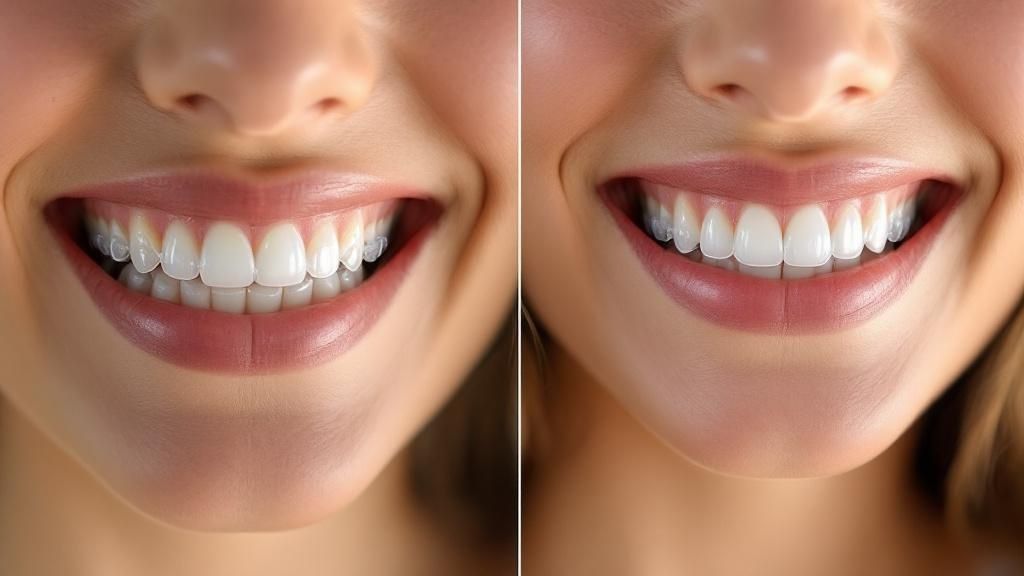
    Choosing clear aligners over traditional braces brings several advantages, especially when considering orthodontics and braces in Festus, MO. They offer a discreet way to straighten teeth. Unlike braces, clear aligners are almost invisible. This subtlety can boost confidence in both social and professional settings. You can also remove them easily for eating or cleaning, making daily routines more comfortable. Maintaining oral hygiene becomes simpler without wires to navigate. With clear aligners, fewer dental visits are necessary. This saves time and reduces inconvenience. The gentle pressure they apply can result in less discomfort compared to traditional methods. You enjoy a more comfortable experience throughout the treatment. Additionally, clear aligners often lead to shorter treatment times. This offers faster results, helping you reach your smile goals sooner. Considering these benefits, it’s no wonder more people are opting for this modern approach to orthodontics.

    Convenience and Flexibility

    Clear aligners provide unmatched convenience. You can easily remove them, allowing you to eat your favorite foods without worry. No need to avoid crunchy or sticky foods that could damage traditional braces. Brushing and flossing become straightforward without the obstacle of brackets and wires. This leads to healthier gums and teeth throughout the treatment.

    Flexibility in your schedule is another perk. With fewer necessary follow-up visits, you save time. This is especially beneficial for busy individuals balancing work, family, and other responsibilities. According to the Centers for Disease Control and Prevention, maintaining oral health is crucial. The ease of clear aligners aligns perfectly with this goal.

    Aesthetic Appeal

    For many, the most compelling reason to choose clear aligners is their appearance. These aligners are barely noticeable. This means you can go about your day without feeling self-conscious. Whether speaking at a meeting or smiling for a photo, your confidence remains intact.

    Teenagers and adults alike find this aspect appealing. In situations where first impressions matter, clear aligners offer the chance to maintain a natural look. This aesthetic advantage often drives the choice for clear aligners over traditional braces.

    Comfort and Safety

    Traditional braces can cause irritation in the mouth due to their metal structure. In contrast, clear aligners use smooth, custom-made plastic. This reduces the risk of cuts and abrasions inside your mouth. The gentle pressure applied by aligners also means less pain and soreness during adjustment periods.

    Moreover, clear aligners are crafted to fit your teeth precisely. This personalized approach minimizes discomfort significantly. With clear aligners, you avoid emergencies like broken wires or loose brackets. This makes for a safer, more enjoyable orthodontic experience.

    Effective and Predictable Results

    Clear aligners offer predictability in treatment. Advanced technology maps out your entire treatment plan from start to finish. You can even visualize the expected outcome before you start. This gives you a clear goal and timeline. Traditional braces, while effective, often involve more guesswork and adjustments.

    Aligners are designed for efficiency, often reducing treatment time compared to braces. The average treatment time can be shorter, giving you a quicker path to a straightened smile. This efficiency does not compromise results. Clear aligners are highly effective for a range of orthodontic issues.

    Comparison Table

    Feature Clear Aligners Traditional Braces
    Appearance Invisible Visible, metal
    Comfort Smooth, custom fit Metal brackets can irritate
    Removability Removable Fixed
    Treatment Time Often shorter Variable
    Oral Hygiene Easy to maintain More challenging
    Appointments Fewer needed More frequent

    With these benefits, clear aligners stand out as a modern solution in orthodontics. For those seeking discretion, comfort, and efficient results, they are an excellent choice. Embrace a confident smile with the ease and predictability that clear aligners provide.

  • 5 Early Dental Milestones Parents Should Watch For In Kids

    5 Early Dental Milestones Parents Should Watch For In Kids

    As a parent, you want the best for your child’s health, including their dental health. Understanding the dental milestones your child will experience helps you support their development. Early attention to these milestones lays the groundwork for healthy teeth and gums. This is where your family dentist in Spring Hill, FL, becomes a key partner. By recognizing these important stages, you can ensure your child receives the necessary care and guidance. Early dental care helps prevent future problems. Watching for specific milestones gives you the confidence that you’re doing everything you can for your child’s well-being. In the following paragraphs, we will spotlight five crucial dental milestones to monitor. This knowledge empowers you to act promptly, ensuring your child’s smile remains strong and bright. With this guidance, you are well-equipped to navigate your child’s dental journey. Prioritize these milestones and invest in your child’s future oral health.

    1. Appearance of First Tooth

    The arrival of the first tooth, usually around six months, marks a significant milestone. This tooth typically appears in the lower front of the mouth. You might notice increased drooling or a desire to chew on toys. These signs indicate readiness for teething. To ease discomfort, gently rub your child’s gums with a clean finger. This stage also signals the start of oral care habits. Begin brushing with a soft toothbrush. This helps your child become accustomed to daily tooth cleaning.

    2. Introduction of Fluoride Toothpaste

    Fluoride toothpaste is essential when the first tooth emerges. Use a smear the size of a grain of rice for children under three. This helps prevent cavities and strengthens enamel. Ensure your child spits out the toothpaste to avoid swallowing. Regular brushing with fluoride toothpaste promotes healthy dental development. Consistency at this stage sets the foundation for lifelong oral habits. Your dentist will provide guidance on proper brushing techniques.

    3. First Dental Visit

    The first dental check-up should happen by the age of one. Early dental visits familiarize your child with the dental environment. These visits also allow the dentist to assess dental development. Potential issues can be identified early, reducing future complications. The dentist will offer advice on diet and oral hygiene. For more information, check this CDC guide to children’s oral health. Establishing trust with the dentist makes future visits more comfortable.

    4. Teething and Transition to Solid Foods

    Teething continues as more teeth emerge. This stage often coincides with the introduction of solid foods. Encourage a balanced diet that supports healthy teeth. Foods rich in calcium and vitamins are beneficial. Avoid sugary snacks that can lead to cavities. Teach your child to drink water after meals to rinse their mouth. This practice helps maintain a healthy oral environment. Visit this NIDCR resource on tooth decay in children for more insights.

    5. Full Set of Baby Teeth

    By age three, most children have a full set of 20 baby teeth. This complete set allows for effective chewing and speech development. Regular dental check-ups remain important during this phase. Dentists monitor for misalignment or decay. Parents should assist with brushing until age seven. Encourage positive oral hygiene practices. Reinforce the importance of cleaning teeth twice a day. This instills habits that will last a lifetime.

    Comparison of Dental Milestones

    Milestone Age Range Action
    First Tooth 6-10 months Introduce brushing habits
    Fluoride Toothpaste Use As soon as the first tooth appears Use a rice-sized smear
    First Dental Visit By age 1 Schedule an initial check-up
    Teething 6 months – 3 years Monitor diet and hygiene
    Full Set of Baby Teeth By age 3 Maintain regular check-ups

    Monitoring these milestones ensures your child’s dental health progresses well. Each stage requires your attention and care. Early habits pave the way for a lifetime of healthy smiles. Your involvement and guidance are crucial. With your support, your child can develop strong, healthy teeth. Stay proactive and keep open communication with your dentist. Always prioritize your child’s dental needs. Your efforts today will have lasting benefits. Encourage and model good oral hygiene practices. Your child will appreciate the lasting impact on their health.

  • How Alcohol Recovery Programs Can Help You Rebuild Your Life

    How Alcohol Recovery Programs Can Help You Rebuild Your Life

    Alcohol addiction can feel overwhelming, affecting every part of your life—from relationships and work to physical and mental health. Acknowledging that help is needed is the first step toward a positive change. One of the most effective ways to regain control and rebuild your life is through an alcohol recovery program. These programs are designed to guide individuals through the process of recovery, offering support, education, and structure to help you achieve lasting sobriety.

    Understanding the Role of an Alcohol Recovery Program

    An alcohol recovery program provides a structured approach to overcoming alcohol dependence. It is not just about stopping drinking; it focuses on addressing the underlying issues that may have led to addiction in the first place. These programs often combine medical care, therapy, and support systems to ensure that recovery is holistic and sustainable. By participating in a recovery program, individuals gain access to trained professionals who understand the complexities of addiction and can create a tailored plan for each person’s needs.

    Medical and Professional Support

    One of the critical aspects of an alcohol recovery program is professional guidance. Detoxification, often the first stage, is conducted under medical supervision to manage withdrawal symptoms safely. Healthcare professionals monitor your progress and ensure that any physical complications are addressed. This medical support not only makes the recovery process safer but also increases the chances of long-term success by laying a solid foundation for further treatment.

    Emotional and Mental Health Care

    Alcohol addiction often comes with emotional and mental health challenges, such as anxiety, depression, or low self-esteem. A well-designed alcohol recovery program incorporates counseling and therapy to help individuals work through these issues. Through one-on-one sessions or group therapy, participants can explore the root causes of their addiction, develop coping strategies, and rebuild their emotional resilience. Addressing mental health alongside addiction is crucial because it strengthens your ability to maintain sobriety and prevent relapse.

    Building a Support Network

    Recovery is rarely a solo journey. Alcohol recovery programs emphasize the importance of a support network, whether it’s through group therapy sessions, peer support groups, or family involvement. These networks provide encouragement, accountability, and shared experiences that can be incredibly motivating. Being part of a community of people who understand your struggles helps reduce feelings of isolation and reinforces the belief that change is possible.

    Developing Life Skills and Healthy Habits

    Another important element of an alcohol recovery program is learning new life skills and habits that support a sober lifestyle. This may include stress management techniques, time management, goal setting, and healthy lifestyle choices such as exercise and nutrition. By developing these skills, individuals can replace harmful behaviors with positive routines that promote overall well-being. These changes not only aid in recovery but also help in rebuilding relationships, pursuing career goals, and achieving personal fulfillment.

    Preparing for Long-Term Recovery

    Recovery does not end when a program concludes. Successful alcohol recovery programs provide tools and strategies for long-term sobriety. This includes ongoing therapy, alumni support groups, and relapse prevention plans. Learning how to handle triggers, stress, and social situations without turning to alcohol is essential for maintaining a healthy and productive life. Programs equip individuals with the knowledge and confidence needed to face future challenges and continue their journey toward a better life.

    Rebuilding Relationships and Life Goals

    Alcohol addiction can strain personal and professional relationships. An effective alcohol recovery program addresses the impact on these areas, helping individuals rebuild trust and communication with loved ones. It also encourages participants to rediscover personal goals and passions that may have been neglected during the period of addiction. By regaining control over your life and making conscious, positive choices, you can create a future that is meaningful and fulfilling.

    Conclusion

    An alcohol recovery program is more than a path to sobriety—it is a pathway to rebuilding your life. Through medical care, therapy, support networks, and skill development, these programs provide the guidance and structure needed to overcome addiction. By committing to a recovery program, you are taking an important step toward a healthier, more balanced, and fulfilling life. With dedication, support, and the right resources, it is possible to leave alcohol behind and embrace a future filled with hope, purpose, and personal growth.