Blog

  • How to Manage Anxiety Before an Endoscopy

    How to Manage Anxiety Before an Endoscopy

    Facing a medical procedure like an endoscopy can naturally cause anxiety and nervousness. Whether it’s your first time or a repeat procedure, feelings of uncertainty about the process, discomfort, or possible results can be overwhelming.

    However, managing this anxiety effectively is important to ensure the procedure goes smoothly and you remain calm throughout. This article will guide you through practical tips and strategies to help manage anxiety before your endoscopy test, so you can approach it with confidence and ease.

    Understanding Why Anxiety Happens Before an Endoscopy

    It’s normal to feel anxious before an endoscopy procedure because the procedure involves inserting a flexible tube with a camera into your digestive tract, which sounds intimidating. Fear of discomfort, pain, or receiving bad news can amplify these feelings.

    Anxiety often triggers physical symptoms such as increased heart rate, sweating, or nausea, which can make the entire experience more stressful. Recognizing that these feelings are common and manageable is the first step in coping effectively.

    Educate Yourself About the Procedure

    One of the best ways to reduce anxiety is through understanding what an endoscopy involves. Ask your doctor or nurse to explain the procedure in simple terms. Knowing what to expect—from how long it will take, what sedation options are available, to the recovery process—can ease fear of the unknown.

    Watching informational videos or reading trusted resources can also help demystify the procedure. When you’re informed, the procedure becomes less intimidating and more predictable, reducing anxiety.

    Practice Relaxation Techniques

    Relaxation exercises are powerful tools to calm your mind and body before your endoscopy. Techniques such as deep breathing, progressive muscle relaxation, or guided imagery can lower stress hormones and help you feel centered.

    For example, deep breathing involves slowly inhaling through your nose, holding the breath for a few seconds, and then exhaling through your mouth. Repeating this several times can slow your heart rate and promote a sense of calm.

    Incorporate these techniques into your daily routine leading up to the procedure, and use them while waiting for your appointment.

    Prepare Logistically to Avoid Last-Minute Stress

    Planning ahead can reduce anxiety caused by uncertainty or feeling unprepared. Arrange transportation for the day of your endoscopy, as sedation may prevent you from driving.

    Follow all pre-procedure instructions carefully, including fasting guidelines or medication adjustments. Having a checklist to track what you need to do beforehand can prevent last-minute panic.

    Organize your paperwork, insurance information, and any questions you want to ask your doctor. Feeling prepared builds confidence and reduces stress.

    Talk About Your Fears

    Don’t hesitate to share your concerns with your healthcare provider. They are experienced in helping patients manage anxiety and can offer reassurance or modify sedation plans to ensure your comfort.

    Sometimes, simply verbalizing your fears can lessen their hold over you. You can also talk with family or friends who have undergone endoscopy; hearing about their positive experiences may help ease your worries.

    If anxiety is severe, discuss whether short-term anti-anxiety medications might be appropriate before the procedure.

    Create a Supportive Environment

    Bringing a trusted friend or family member to the appointment can provide emotional support and distraction. Their presence often reduces feelings of isolation and helps you feel more grounded. Listening to calming music or engaging in light conversation while waiting can also help redirect your focus away from anxious thoughts.

    Focus on Positive Outcomes

    Remind yourself of the benefits of the endoscopy. It’s a critical diagnostic tool that can detect issues early, guide treatment, and ultimately improve your health. Visualize the procedure going smoothly and picture yourself feeling relieved afterward. Positive thinking can shift your mindset and reduce fear.

    Aftercare: Plan for Comfort Post-Endoscopy

    Knowing what to expect after the procedure can reduce anxiety about the recovery phase. Arrange a comfortable space at home for rest, and plan to take it easy for the day. Have easy-to-digest foods and any prescribed medications ready. Knowing you have a plan for recovery helps you feel more in control.

    Conclusion

    Feeling anxious before an endoscopy is completely normal, but there are many effective strategies to help you manage these feelings. Educating yourself about the procedure, practicing relaxation techniques, preparing in advance, and seeking support all contribute to a calmer, more confident experience. Remember, the goal of an endoscopy is to provide valuable insights into your health, and managing anxiety can help ensure you get the most accurate results without unnecessary stress.


  • How Periodontal Care Prevents Complications In Implant Dentistry

    How Periodontal Care Prevents Complications In Implant Dentistry

    Maintaining healthy gums is essential when you have dental implants in Bay Shore, NY. Gum health directly impacts the success of your implants. Neglecting it can lead to serious problems. Bacterial infections can attack your gums and reach the implant site. This may cause implant failure. Regular periodontal care prevents this. You can keep your gums strong and your implants secure. It involves consistent cleaning and check-ups. Dentists can detect and address issues early. This prevents the complications that arise from poor gum health. You avoid pain and costly treatments. Think of it as strengthening your foundation. The effort you put in now safeguards your future. Proper care encourages healing and longevity for your implants. You gain the freedom of a confident, worry-free smile. Embrace this simple, effective prevention strategy. Protect your implants and enjoy better oral health in the long run.

    Understanding Periodontal Disease and Implants

    Periodontal disease, or gum disease, is an infection of the tissues that hold your teeth in place. It is usually caused by poor brushing and flossing habits. This allows plaque—a sticky film of bacteria—to build up on the teeth and harden. When untreated, gum disease can cause sore, bleeding gums, painful chewing problems, and tooth loss. For those with dental implants, this risk is even more significant. Your gums are the foundation of your implants. Healthy gums mean healthy implants. According to the National Institute of Dental and Craniofacial Research, early detection and treatment of gum disease can prevent the need for more complex procedures.

    Steps for Effective Periodontal Care

    To maintain your oral health and ensure your implants stay secure, follow these essential steps:

    • Brush Twice Daily: Use a soft-bristled toothbrush to clean your teeth and gums gently. Brush for at least two minutes.
    • Floss Regularly: Floss once a day to remove plaque and food particles from between your teeth and around the implant.
    • Use Antimicrobial Mouthwash: Rinse with an antimicrobial mouthwash to reduce plaque and prevent gum disease.
    • Regular Dental Visits: Schedule regular visits to your dentist for cleanings and check-ups. Your dentist can assess your gum health and address any issues early.
    • Healthy Lifestyle Choices: Avoid smoking and maintain a balanced diet. These choices support your immune system and oral health.

    Comparative Benefits of Periodontal Care

    Aspect With Periodontal Care Without Periodontal Care
    Implant Success Rate High Lower
    Risk of Infection Reduced Increased
    Long-term Oral Health Improved Compromised
    Cost Effectiveness More Cost-effective Higher Costs Over Time

    Conclusion: The Role of Professional Care

    Professional periodontal care is vital in preventing complications associated with dental implants. Regular dental check-ups and cleanings are crucial. During these visits, your dentist can monitor your gum health and catch any issues early. This proactive approach can save you from discomfort and costly treatments in the future. The American Dental Association emphasizes the importance of maintaining oral hygiene to ensure the longevity of dental implants.

    Your oral health today impacts your quality of life tomorrow. Take the necessary steps to protect your gums and implants. Regular care and professional support provide the best foundation for a healthy smile. By understanding the importance of periodontal care in implant dentistry, you are investing in a healthier, more confident future.

  • How General Dentistry Detects Early Signs Of Cavity Formation

    How General Dentistry Detects Early Signs Of Cavity Formation

    Cavities can cause significant problems without early detection. When you regularly visit a dentist in Palm Beach Gardens, you take action against potential dental issues. Dentists have the skills to spot early signs of cavities, preventing painful and costly treatments later. During a check-up, your dentist uses simple tools, like a mirror and probe, to look for weak spots or color changes in your teeth. They also perform X-rays to find hidden cavities between teeth. With these steps, they identify problems before they worsen. You play a crucial role, too. By discussing any discomfort or changes, you give your dentist more information to work with. Together, you and your dentist form a team working toward healthier teeth. Regular cleanings and exams keep your mouth in top shape, reducing the risk of cavities and ensuring a bright smile. Prioritize your oral health for a pain-free, confident future.

    Understanding Cavities

    Cavities, or tooth decay, are small openings or holes in teeth. They develop when plaque, a sticky film of bacteria, forms on the tooth surface. Bacteria in plaque produce acids that erode tooth enamel, leading to cavities. This process can progress without noticeable symptoms. Early detection by a dental professional is crucial to avoid further complications.

    Why Early Detection Matters

    Early cavity detection can save you from more extensive dental treatments. Identifying cavities early means simpler treatment options. It also ensures you experience less pain and lower dental costs. Early intervention can maintain the health of affected teeth, preventing the need for extensive procedures like root canals or crowns.

    Tools and Techniques Used in Cavity Detection

    Dentists use several methods to detect cavities early:

    • Visual Examination: Dentists closely inspect teeth for signs of decay. They look for discoloration, chips, or visible holes.
    • Dental Probing: A dental probe checks for soft spots on the enamel, which may indicate cavities.
    • X-rays: X-rays show cavities hidden between teeth or beneath the surface. They provide a complete view of dental health.
    • Dental Dye: A special dye applied to teeth can highlight cavity-prone areas, making it easier for the dentist to spot early signs of decay.

    Preventive Measures

    Maintaining oral health prevents cavity formation. Here are key practices:

    • Brush teeth twice daily with fluoride toothpaste.
    • Floss daily to remove food particles and plaque between teeth.
    • Limit sugary and acidic foods and drinks.
    • Visit your dentist regularly for cleanings and exams.

    Following these steps reduces the risk of developing cavities and promotes overall oral health.

    Comparing Detection Methods

    Detection Method Advantages Disadvantages
    Visual Examination Non-invasive, Quick May miss hidden cavities
    Dental Probing Effective for surface detection Possible discomfort
    X-rays Detects hidden cavities, Comprehensive Radiation exposure
    Dental Dye Highlights cavity-prone areas Temporary staining

    Your Role in Cavity Prevention

    While dentists play a vital role in detecting and treating cavities, your efforts at home are invaluable. Brush with care, floss regularly, and watch your diet to keep your teeth healthy. With vigilance and routine dental visits, you can minimize the risk of cavities.

    Conclusion

    Early detection and prevention are keys to maintaining oral health. By visiting your dentist regularly, you ensure that any early signs of cavities are addressed quickly. Stay proactive in your dental care. For further guidance on dental health, you can explore resources from the American Dental Association. Remember, protecting your teeth today leads to a healthier, happier tomorrow.

  • Why Preventive Dentistry Creates The Pathway To Stunning Smile Results

    Why Preventive Dentistry Creates The Pathway To Stunning Smile Results

    You deserve a smile that radiates health and confidence. Preventive dentistry helps you achieve this. It sets the foundation for the smile you’ve always wanted. Regular dental check-ups and cleanings play a crucial role. They catch small issues before they become big problems. Your Wall Township dentist can guide you through these essential steps. This approach includes brushing and flossing tips and professional advice. When you focus on prevention, you save time and money. You also avoid discomfort and stress. Preventive care reduces the risk of cavities and gum disease. It keeps your teeth strong and your smile bright. This proactive route ensures long-term benefits. You gain a healthy mouth and peace of mind. Investing in preventive care today leads to stunning smile results tomorrow. When you prioritize your dental health, you set yourself on the path to a confident, beautiful smile.

    Understanding Preventive Dentistry

    Preventive dentistry focuses on maintaining oral health. It involves routine practices like brushing, flossing, and regular dental visits. These actions prevent tooth decay and gum disease. They also help maintain overall health. For instance, the Centers for Disease Control and Prevention (CDC) states that oral health is key to overall health. When you practice preventive care, you help avoid more serious dental treatments later. This form of care involves patient education. It empowers you to take charge of your dental health.

    Components of Preventive Dentistry

    Several components make up preventive dentistry. These include daily brushing and flossing, regular dental cleanings, fluoride treatments, and dental sealants. Brushing and flossing remove food particles and plaque. Regular cleanings by a dentist remove tartar, which is hardened plaque. Fluoride treatments strengthen teeth, making them more resistant to decay. Sealants protect molars from cavities. Together, these components form a comprehensive approach to maintaining your oral health.

    The Role of Diet in Oral Health

    Your diet also plays a role in preventive dentistry. Foods rich in calcium and vitamin D strengthen teeth and bones. Limiting sugar intake helps prevent cavities. Drinking plenty of water aids in washing away food particles. The U.S. Department of Agriculture recommends a balanced diet for overall health, which includes oral health. Eating a variety of foods from all food groups ensures you get the nutrients needed for healthy teeth and gums.

    Comparing Costs: Prevention vs. Treatment

    Preventive care is more cost-effective than treatment. Regular check-ups and cleanings cost less than fillings, root canals, and extractions. Investing in prevention now saves money later. Below is a simple comparison table showing potential cost savings.

    Procedure Estimated Cost
    Regular Check-up and Cleaning $150
    Filling $200 – $500
    Root Canal $700 – $1,200
    Tooth Extraction $150 – $400

    Long-term Benefits of Preventive Care

    Preventive care offers long-term benefits beyond cost savings. It leads to fewer dental procedures, reducing anxiety and discomfort. You enjoy better oral health, which contributes to better overall health. You also maintain a bright and confident smile. The long-term approach fosters a positive relationship with dental visits, making them stress-free.

    The Preventive Care Experience

    Preventive dentistry is a collaborative process. Together with your dentist, you form a plan tailored to your needs. This partnership supports your oral health journey. Your dentist provides guidance, while you take active steps at home. This blend of professional care and personal responsibility ensures effective prevention.

    Conclusion

    Prioritizing preventive dentistry leads to stunning smile results. By focusing on prevention, you save money, maintain health, and enjoy peace of mind. Regular check-ups, a healthy diet, and daily care form the backbone of a beautiful smile. With your Wall Township dentist by your side, you navigate the path to optimal oral health. Investing in preventive care today offers rewards for years to come.

  • 3 Preventive Services That General Dentists Recommend For Children

    3 Preventive Services That General Dentists Recommend For Children

    Protecting your child’s smile starts with routine dental care. Visiting a dentist in Dearborn Heights can help ensure your child’s teeth and gums stay healthy. Dentists often recommend three key preventive services for children. First, regular cleanings remove plaque and tartar, preventing cavities and gum issues. Second, fluoride treatments strengthen tooth enamel, making teeth more resistant to decay. Third, dental sealants provide an extra barrier against harmful bacteria by covering the grooves of back teeth. These services work together to maintain oral health and prevent future problems. By focusing on these preventive measures, you help your child build a strong foundation for a lifetime of healthy smiles. Prioritizing these recommendations not only saves time and money but also empowers children to take control of their oral care. Trusting expert advice from your local dentist ensures your child receives the best care possible. Start now to safeguard their bright future.

    Regular Cleanings

    Regular dental cleanings are essential. They prevent tooth decay and gum disease. Plaque buildup leads to cavities if not removed. Cleanings involve scaling and polishing to eliminate plaque and tartar. This process keeps gums healthy and prevents bad breath. The American Dental Association advises that children visit the dentist every six months for a cleaning. These appointments also offer the chance to catch potential issues early. This way, you can avoid more serious problems down the line. For more information on dental visits, check the American Dental Association’s guidelines on children’s dental visits.

    Fluoride Treatments

    Fluoride treatments play a crucial role in dental health. Fluoride strengthens teeth, making them resistant to decay. This mineral is a natural cavity fighter. During the treatment, dentists apply a concentrated fluoride solution to the teeth. This process is quick and painless. It helps rebuild weakened enamel and reverses early signs of decay. The Centers for Disease Control and Prevention considers fluoride treatments essential in preventing cavities. For additional information, visit the CDC’s fluoride information page.

    Dental Sealants

    Dental sealants offer another layer of protection. They cover the chewing surfaces of the back teeth. Sealants block food particles and bacteria from settling in grooves. This service is especially beneficial for molars. Children typically get sealants once their first permanent molars come in, around age six. Sealants are durable and can last several years. They significantly reduce the risk of cavities. Regular checkups ensure that sealants remain intact and effective.

    Comparison of Preventive Services

    Preventive Service Benefits Frequency
    Regular Cleanings Removes plaque, prevents gum disease, freshens breath Every 6 months
    Fluoride Treatments Strengthens enamel, prevents decay Every 6 months
    Dental Sealants Protects molars, prevents cavities Every few years

    Empowering Your Child

    Encouraging your child to maintain oral hygiene is crucial. Teach them to brush twice daily and floss regularly. A balanced diet rich in fruits and vegetables also promotes dental health. Limit sugary snacks and drinks. These steps, combined with preventive services, keep your child’s smile bright and healthy.

    The Cost of Prevention

    Investing in preventive care pays off. It reduces the need for costly dental treatments later. Regular cleanings and checkups are more affordable than fillings or extractions. Many dental insurance plans cover these preventive services. Check your policy and discuss options with your dentist.

    Conclusion

    In summary, preventive dental services are vital. They protect your child’s smile and prevent future issues. Regular cleanings, fluoride treatments, and sealants form a comprehensive approach to dental care. By prioritizing these services, you ensure a lifetime of healthy smiles for your child. Schedule an appointment with your dentist today to discuss these preventive measures. Together, you can build a strong foundation for your child’s oral health. Remember, maintaining their smile is a team effort. With the right care, your child’s future looks bright.

  • 4 Natural Treatment Options Offered By Holistic General Dentists

    4 Natural Treatment Options Offered By Holistic General Dentists

    Discover natural treatment options offered by holistic general dentists. When seeking care, dentists in Hopkins MN provide paths that align with your values. These dentists focus on your well-being, combining traditional methods with natural alternatives. They prioritize treatments supporting health without toxic materials. Holistic dental care is not just about teeth. It’s about recognizing your body as a whole, ensuring that your dental treatments contribute to overall health. This approach integrates natural therapies to promote healing while minimizing harm. You will find a mix of safe, effective options designed to maintain your oral health and enhance your overall well-being. By exploring such methods, you empower yourself to take control of your health story. Understand how holistic dentistry offers solutions that respect your body’s natural processes. Consider how these methods align with your personal health goals. Learn how this unique dental approach can positively impact your life.

    1. Mercury-Free Fillings

    Traditional fillings often contain mercury, a substance that raises health concerns. Holistic dentists opt for mercury-free fillings. You get safe, durable options that protect your health. These fillings use materials that bond well with your teeth. Avoid potential risks linked to mercury exposure. Your dental care should support your health at every step.

    Treatment Option Main Benefit
    Mercury-Free Fillings Reduces exposure to harmful substances

    Avoiding mercury helps reduce long-term health risks. You enjoy peace of mind knowing your fillings are safe. For further details, read more on this FDA resource.

    2. Herbal Mouth Rinses

    Holistic dentists often recommend herbal mouth rinses as a natural alternative to commercial products. These rinses might contain ingredients like clove, peppermint, or eucalyptus. Such components have natural antibacterial properties that help maintain a healthy mouth. You avoid harsh chemicals while enjoying fresh breath and gum health.

    Choosing these herbal options supports a gentle, effective dental care routine. Understand how natural ingredients can make your dental care more pleasant. Feel the difference in freshness and health with each rinse.

    3. Biocompatible Materials

    Holistic dentists ensure that all materials used in your treatment are biocompatible. This means they work well with your body and don’t cause adverse reactions. Crowns, bridges, and other restorations use materials that your body accepts without issues. This practice prevents complications and supports your overall health.

    By using materials that are kind to your body, you benefit from treatments that not only look good but also feel good. The peace of mind that comes with knowing your dental work is safe cannot be overstated. Explore the advantages of biocompatible materials at the National Institutes of Health.

    4. Digital X-Rays

    Digital X-rays offer a safer, more efficient way to get a detailed view of your dental health. These X-rays use less radiation than traditional methods. You gain clarity without unnecessary exposure, supporting a healthier approach to diagnostics. The images are available immediately, helping your dentist make quick, informed decisions about your care.

    Traditional X-Rays Digital X-Rays
    Higher radiation exposure Reduced radiation exposure
    Delayed image processing Immediate image access

    Digital X-rays enhance your experience by providing a clearer picture of your dental needs. You can engage in your treatment planning with more transparency and confidence. This step forward in dental technology supports a more informed and empowering dental experience.

    In summary, holistic dentists offer natural treatment options that prioritize your health and well-being. By choosing mercury-free fillings, herbal mouth rinses, biocompatible materials, and digital X-rays, you take steps toward a healthier smile. These approaches align with your values, respecting your body’s natural processes. Consider these options when planning your dental care journey.

  • Why Family Dentistry Is A Smart Long Term Choice For Children’s Health

    Why Family Dentistry Is A Smart Long Term Choice For Children’s Health

    Choosing a family dentist is a wise decision for your child’s health. A Goodlettsville, TN dentist can provide consistent and quality care through all stages of your child’s growth. Family dentistry focuses on preventive care, ensuring your child’s teeth stay healthy. This approach reduces the risk of cavities and gum issues. You’re not just selecting a practice; you’re creating a trusted relationship that fosters comfort and security. Regular visits help your child feel at ease, reducing fear and anxiety often linked to dental care. A family dentist understands your child’s needs and adapts as those needs change. They will educate you and your child on proper oral hygiene, empowering you with practical knowledge to keep dental issues at bay. Investing in family dentistry means safeguarding your child’s health and well-being, ensuring a brighter, healthier future.

    Benefits of Family Dentistry

    Family dentistry provides several benefits. First, it offers convenience for families by treating all members in one location. This approach saves time as you can often schedule multiple appointments together. It also ensures continuity of care, as the same dentist follows your child through their developmental stages, knowing their dental history in depth.

    Emphasis on Preventive Care

    Preventive care is a cornerstone of family dentistry. Dentists regularly check for early signs of issues, allowing for timely intervention. This focus on prevention reduces the need for more extensive treatments later. The American Dental Association emphasizes the importance of early dental visits to establish good habits and prevent future problems.

    Building Trust and Comfort

    Familiarity with the dentist’s office can help your child develop a positive relationship with dental care. This comfort reduces fears, making visits more pleasant for both you and your child. A family dentist who understands your child’s unique needs can tailor their approach, creating a compassionate environment where your child feels safe and understood.

    Adaptable Care Across Ages

    Family dentists are skilled in treating patients of all ages. This adaptability means they can provide age-appropriate care and guidance as your child grows. Whether it’s dealing with baby teeth or guiding through the teenage years, a family dentist adjusts their approach to match developmental stages.

    Comparison: Family Dentistry vs. General Dentistry

    Aspect Family Dentistry General Dentistry
    Patient Age Range All ages Primarily adults
    Focus Preventive and comprehensive care Treatment-focused
    Convenience One-stop for entire family Typically individual appointments
    Continuity Long-term relationship Varied, depending on practice

    Education and Empowerment

    Family dentists often take time to educate both children and parents on proper oral hygiene techniques. This knowledge empowers you to maintain your child’s dental health between visits. The Centers for Disease Control and Prevention highlight the importance of parental role in children’s dental care.

    Conclusion: Investing in Your Child’s Future

    Family dentistry offers a holistic approach to dental care. By choosing a family dentist, you invest in lifelong health for your child. This relationship provides more than just dental check-ups. It builds a foundation of trust, knowledge, and proactive care, ensuring your child grows with a healthy smile and confident outlook.

    Consider the long-term benefits of a family dentist. You are not just ensuring healthy teeth today. You are investing in a future where your child understands the importance of dental health and feels empowered to maintain it. This smart choice nurtures both physical and emotional well-being, reflecting a commitment to your child’s overall happiness and health.

  • 5 Questions To Ask About Cosmetic Dentistry At A Family Dental Office

    5 Questions To Ask About Cosmetic Dentistry At A Family Dental Office

    Considering cosmetic dentistry can feel daunting, but asking the right questions can help you feel more at ease. When you visit a dental office in Santa Rosa, CA, you deserve clear answers. Here are five essential questions to help guide your conversation about cosmetic dental care. First, ask about the types of cosmetic procedures available. Second, inquire about the dentist’s experience with similar treatments. Third, question the expected outcomes to ensure they align with your goals. Fourth, explore what the recovery process looks like. Finally, discuss the costs involved, including any potential financing options. These questions help you understand the process and set realistic expectations. Remember, your smile is important, and you should feel confident in your choice of care. Engaging with your dentist about these topics paves the way for a trusting relationship and better results. Don’t hesitate to seek clarity in your journey toward a brighter smile.

    Types of Cosmetic Procedures Available

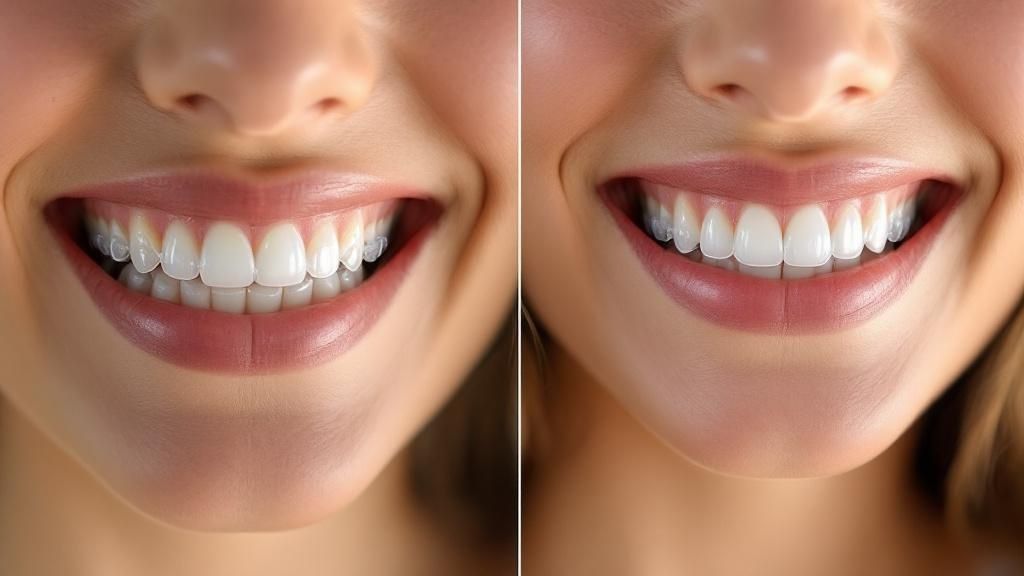
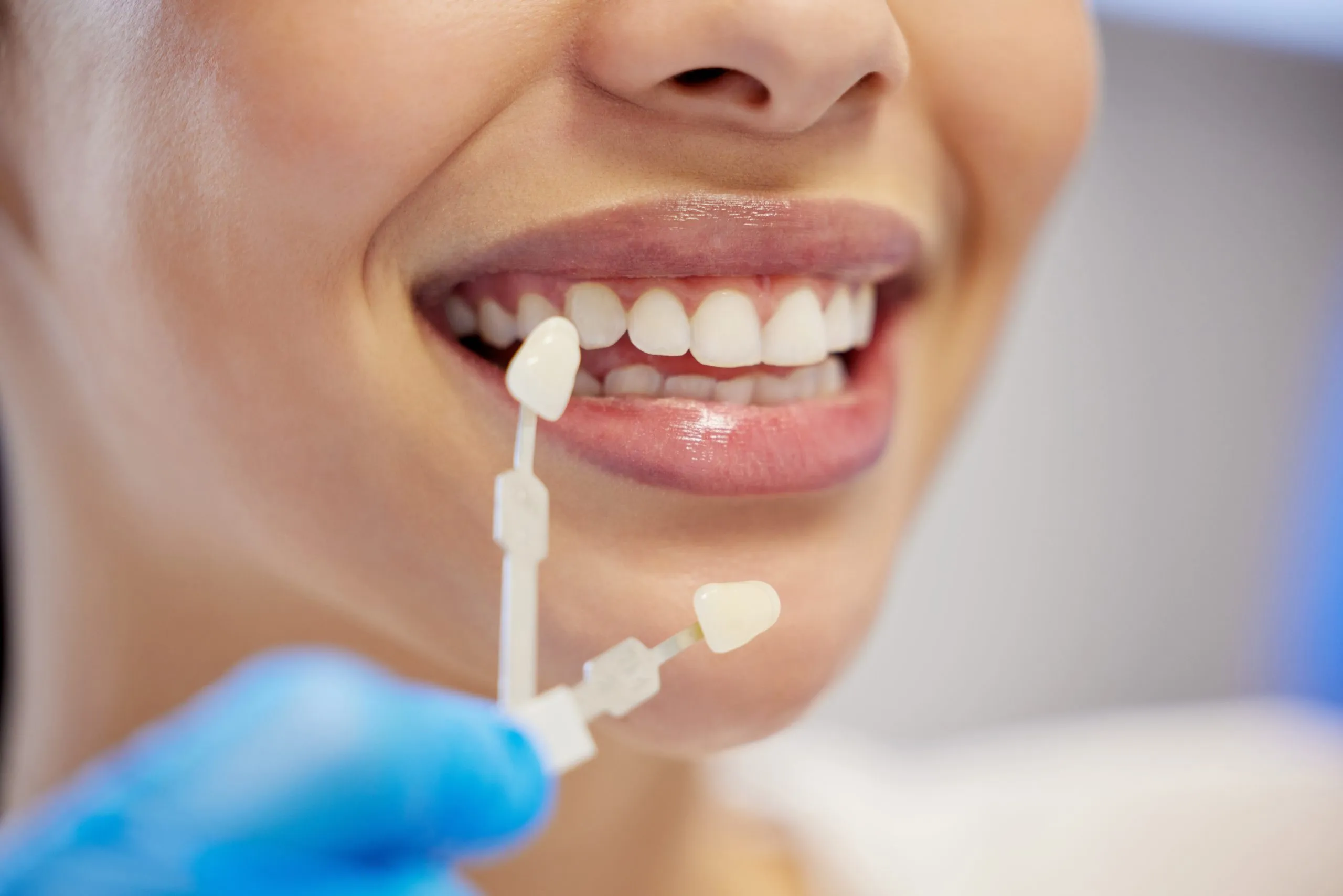
    When you step into a dental office, the variety of cosmetic procedures might surprise you. Common options include teeth whitening, veneers, bonding, and reshaping. Each of these procedures offers different benefits suited to various needs. For instance, teeth whitening can brighten your smile quickly. Veneers provide a more dramatic change for chipped or stained teeth.

    Procedure Purpose Duration
    Teeth Whitening Brighten teeth 1-2 hours
    Veneers Cover imperfections 2-3 visits
    Bonding Repair damage 30-60 minutes/tooth
    Reshaping Smooth out uneven teeth 30 minutes/tooth

    Understanding these options helps you decide what aligns best with your needs. Discussing this with your dentist ensures you choose the right path to a better smile.

    Dentist’s Experience

    Experience matters a lot in cosmetic dentistry. Knowing your dentist’s experience with specific procedures gives you confidence in their expertise. Ask about their training and how often they perform the procedures you are considering. A well-experienced dentist can provide insights that only come from years of practice. This experience is crucial for achieving natural-looking results.

    Expected Outcomes

    Setting realistic expectations is crucial. Discuss with your dentist what you hope to achieve. They will provide an overview of what is possible and what might require more extensive work. This conversation ensures you are on the same page and helps avoid disappointment. Natural teeth have unique characteristics, and your dentist can guide you on what to expect after treatment.

    Recovery Process

    Understanding the recovery process helps in planning. Ask how long recovery takes and if there are any restrictions. For instance, veneers might require some adjustment period, while teeth whitening typically has no downtime. Your dentist will advise on aftercare to maintain the results and ensure a smooth recovery.

    For more detailed information on dental recovery, you can visit the National Institute of Dental and Craniofacial Research.

    Costs and Financing Options

    Cost is a significant consideration. Cosmetic dentistry can vary widely in price. Understanding the costs upfront helps in budgeting. Ask your dentist to explain all costs involved, including follow-up visits. Additionally, inquire about financing options. Many dental offices offer payment plans to help manage expenses. Knowing your financial options allows for a well-planned approach to improving your smile.

    For further reading on managing dental costs, consider exploring information provided by Agency for Healthcare Research and Quality.

    In conclusion, asking the right questions makes a big difference. It empowers you to make informed decisions about cosmetic dental care. Engaging openly with your dentist ensures that your needs and expectations are understood and met. This proactive approach not only leads to great results but also builds a trusting relationship with your dental care provider.

  • How Preventive Family Dentistry Reduces Long Term Treatment Costs

    How Preventive Family Dentistry Reduces Long Term Treatment Costs

    Preventive family dentistry stands as a cornerstone in cutting long-term treatment costs. When you opt for regular check-ups and cleanings, you effectively shield yourself and your loved ones from costly procedures down the line. Imagine catching cavities or gum issues early. These small steps save you from facing bigger dental problems later. In places like dental care in Clermont, FL, families benefit from routine visits by avoiding extensive treatments. You empower yourself with knowledge and practical habits, reducing the risk of more severe conditions. Cleanings help maintain healthy gums and teeth, which significantly lowers the chances of needing expensive interventions. Prevention serves as your ally, allowing you to spend more on life’s other joys instead of unplanned dental bills. Take charge of your dental health today and reap the financial rewards in the years ahead. Prioritizing preventive measures ensures a healthier, more cost-effective future for your entire family.

    Understanding Preventive Dentistry

    Preventive dentistry focuses on maintaining oral health through regular dental check-ups and cleanings. This approach addresses potential problems early, preventing them from developing into costly conditions. You follow a routine that includes brushing, flossing, and professional cleanings to keep teeth and gums healthy.

    Financial Benefits of Early Detection

    Detecting dental issues early can drastically reduce expenses. A small cavity, when caught early, requires a simple filling. If left untreated, it may require a root canal or extraction, both of which are more expensive and invasive. According to the American Dental Association, preventive care can save individuals significant amounts of money over time.

    Treatment Needed Preventive Cost Reactive Cost
    Small Cavity $50 – $100 Filling: $200
    Gum Disease $100 – $200 Advanced Treatment: $1000+
    Tooth Extraction N/A $200 – $600

    Positive Impact on Children and Teens

    Children benefit enormously from preventive dentistry. Establishing good oral care habits early helps avoid decay and promotes lifelong dental health. Regular visits educate children about dental hygiene and create positive experiences with dentists. The Centers for Disease Control and Prevention [CDC] emphasize the importance of dental visits for children.

    Adults Reap Long-Term Benefits

    For adults, preventive care is equally crucial. Maintaining oral health prevents tooth loss and reduces the likelihood of developing chronic conditions like gum disease. Adults can stay proactive by scheduling biannual check-ups and cleanings, ultimately saving on potential future costs.

    The Role of Dental Insurance

    Many dental insurance plans cover preventive services fully or partially. Check your plan for specifics, as utilizing these benefits reduces out-of-pocket expenses. For more details, refer to the USA.gov guide on dental insurance.

    Building Lifelong Habits

    Encouraging family members to maintain good oral hygiene can lead to significant cost savings and better health. Simple practices like daily brushing and flossing, combined with professional guidance, form the foundation of a healthy smile.

    Conclusion

    Embrace preventive family dentistry to protect your loved ones’ health and finances. By focusing on early detection and consistent care, you avoid costly treatments and enjoy a lifetime of healthy smiles. Start today by scheduling your next dental check-up and take control of your family’s dental future.

  • Advanced Professional Solutions Against Spiders in Centennial

    Advanced Professional Solutions Against Spiders in Centennial

    Spiders help control insect populations, but they are still not wanted in any Centennial home. However, they can be a constant concern for residents as they thrive in its dry climate and warm summers. Thankfully, the right pest control strategies will make control efforts successful. This includes working with Saela Pest Control professionals. These experts have been handling spiders for many years, employing techniques based on the species and the severity of the issue. They have studied how different species of spiders behave and use their findings to come up with the best action plan. Below are advanced spider control solutions experts employ:

    Smart Inspection and Targeted Detection

    Experts handle a spider infestation by thoroughly inspecting the property. They utilize specialized tools and monitoring systems to detect activity. They identify breeding sites and entry points. Also, they determine the species of spiders present to develop a customized control plan. Pest control professionals may use infrared technology and motion-sensitive cameras to find hiding spots in crawls spaces, walls, or basements.

    Advanced Residual Treatments

    A lot of pest control professionals use microencapsulated and residual insecticides. These products stay effective for a long time, so they do not require heavy reapplication. They release active ingredients slowly and form an invisible barrier to kill spiders on contact. It can continue to work for several weeks. They are usually applied along baseboards, entry points, and corners. Residual sprays are especially effective against wolf spiders, house spiders, and cellar spiders.

    Perimeter Protection Systems

    Technicians may apply long-lasting products around a home’s foundation, window frames, doorways, and eaves to create a continuous barrier. Such a barrier keeps spiders from entering the home. Some experts improve this solution with moisture-activated granular insecticides. These products work in soil, landscaping beds, and mulch.

    Dust and Void Treatments

    Insecticidal dusts penetrate hidden spaces that sprays cannot reach. They adhere to the bodies of spiders that travel across treated surfaces. This can effectively eliminate the pests. In addition, experts utilize specialized equipment like electrostatic applicators to ensure solutions are evenly distributed inside cracks and gaps. The treatment stays active for months, offering continuous protection against re-infestation. It works well for black widows and brown recluse spiders, which hide in enclosed areas.

    Integrated Pest Management (IPM)

    IPM combines several approaches to prevent spider infestations. Technicians inspect structural conditions and minimize environmental attractants. Also, they  use targeted treatments as needed. They may recommend improvements such as fixing moisture issues in crawl spaces and basements. Also, they may emphasize the importance of installing weather stripping on doors and windows. Experts may advise replacing outdoor lighting with bulbs that attract fewer insects.

    Web Removal and Sanitation Programs

    Pest control experts use extendable dusters and specialized vacuums to clear webs from light fixtures, ceilings, and outdoor structures. This discourages spiders from returning o the same area and minimizes egg sacs that could hatch later. Also, professionals sanitize high-risk areas by getting rid of insect remains.

    Eco-Friendly and Family-Safe Options

    Some pest control companies use treatments with plant-based ingredients and essential oil compounds to repel and eliminate spiders. Such green options offer strong protection against these pests. A lot of them are formulated to break down naturally without leaving harmful residues. Additionally, experts may use biodegradable dusts, which maintain effectiveness for a long time.

    Continuous Monitoring and Maintenance

    Ongoing monitoring makes sure the issue remains under control. Experts may place non-toxic monitoring traps in discreet spaces to detect early activity. Also, regular maintenance helps reinforce treatments and prevent new infestations. Technicians will apply protective barriers and inspect the property for changes in pest behavior or entry points. Maintenance is usually scheduled quarterly or seasonally.