Blog

  • Things To Consider When Looking for Hair Extension Salons

    Things To Consider When Looking for Hair Extension Salons

    Hair extensions can be the ideal option for you. Especially if you want to give your hair more length or volume. Finding the best stylist, however, can be difficult. Particularly if you’re new to this type of industry.

    Let’s go over all the information you require to locate such a service in Houston.

    Considerations

    1. Request Referrals

    Ask friends, relatives, or coworkers who have tried this for recommendations. This is one of the simplest ways to locate a local shop.

    They can propose the top establishments in your area. And they can give you insightful information about Hair Extensions Houston experiences.

    1. Make Use of Internet Directories

    You may locate salons in your locality by using online directories such as Yelp, Google, and the Yellow Pages. They make it simple to compare and choose the best shop. This is by offering ratings, customer feedback, and phone numbers.

    1. Examine social media

    Try using hashtags on social media sites like Facebook and Instagram to locate these kinds of services near you. To find out more about the salon’s offerings. You can look through their collection of work, read reviews, and contact them personally.

    1. Visit Shows

    They display the newest trends and fashions in this industry. Shows are excellent resources for locating establishments or professionals. Hairstylists are usually available for in-person meetings, demos, and appointment scheduling.

    1. Consult a stylist in your area.

    Ask your hairstylist who you should see if they don’t currently do this job! A close-knit group of knowledgeable specialists, stylists are well-suited to help you choose the correct path.

    Types of Hair Extensions

    1. Clip-In

    Temporary hairpieces that you can clip into your own locks. They are inexpensive, simple to use, and available in a range of colors and lengths. They are ideal for gatherings or special occasions if you wish to give your hair more length and volume.

    1. Tape-In

    The duration of these semi-permanent strand extensions is six to eight weeks. They are essentially unnoticeable. That’s because they are affixed to your natural locks with a unique adhesive glue. They can be styled similarly to your real tresses and are simple to maintain.

    1. Weaves

    Often referred to as sew-in additions, these are sewn or braided into your natural tresses. For individuals who wish to add volume as well as length to their hairline without the use of chemicals or adhesives, they are a fantastic choice. With the right care, they may persist up to three months.

    1. Fusion

    Using a unique glue, these semi-permanent lock additions are affixed naturally. Although they are the priciest kind of additions, they also have the most realistic appearance. If you take good care of them, they can endure up to six months. You’d better read https://www.glamour.com/story/texan-hair-is-set-to-be-2024s-biggest-hair-trend-literally to help you decide.

    1. Micro-Link

    Here, experts are using small beads or rings. These are also referred to as bead extensions and are affixed to your natural locks.

    You can wear these for a maximum of four months because they are sturdy. For people who wish to increase the length and volume of their tresses. Of course, without causing harm to their natural locks, this type is ideal.

    Questions That You Should Ask

    Hair Extension Salons

    1. What kind of lock additions would you suggest for me?

    Not every type can use every type of addition. The ideal kind of these materials for your type as well as texture can be suggested by your stylist.

    1. What is the maintenance procedure?

    Your stylist may provide you with advice on how to properly care for this. Which need to be maintained regularly.

    1. Can my tresses extensions be washed?

    You can clean them. However, it’s crucial to avoid using heat on the additions. Also, avoid using shampoos and conditioners without sulfates. Your entire experience with this depends on proper upkeep.

    1. How frequently should my locks be adjusted or pushed up?

    The type of additions you have and how quickly your lock grows will determine how often you need to modify them. It is necessary to move up most pieces at intervals of six or up to eight weeks.

    1. Can this be colored?

    You can dye them. To prevent breaking the pieces, it’s crucial to speak with your hairstylist first. Anyway, check this site for added info.

    1. How can my tresses extensions be taken out?

    To prevent harming your natural tresses, it’s crucial to get them taken out by a qualified hairdresser.

    1. How much do the services cost?

    Because some of these services can be costly, it’s critical to be aware of the price up front to prevent any unpleasant surprises.

    1. What is the stylist’s background when it comes to this type of service?

    To guarantee the greatest services, it’s critical to pick a stylist with prior experience.

    1. Can you show me your clients’ before and after photos?

    You may make an informed choice by looking at before and after photos to get a sense of the stylist’s work.


  • How Family And Cosmetic Dentistry Adapt To Every Stage Of Life

    How Family And Cosmetic Dentistry Adapt To Every Stage Of Life

    Navigating the changing needs of your dental health can feel overwhelming, but the right care makes all the difference. At Santa Rosa dentistry, you find options tailored to every stage of life. These services are designed with your comfort and specific requirements in mind. From the excitement of a toddler’s first dental visit to the complexities of managing adult oral health, it’s crucial to receive the right care. Each stage of life presents unique challenges and opportunities. Whether it’s maintaining healthy gums, choosing cosmetic adjustments, or addressing age-related concerns, you deserve thoughtful, personalized guidance. By understanding these phases, you can make informed decisions and feel confident in your choices. Santa Rosa dentistry experts are here to support you with consistent, caring service as you progress through life’s milestones. Embrace a healthier smile that evolves with you, ensuring your dental journey is smooth and effective.

    Early Childhood: Laying the Foundation

    In early childhood, establishing healthy habits is essential. Your child’s first dental visit should happen around their first birthday. This initial visit sets the tone for future dental health. Regular cleanings help prevent cavities and ensure that your child’s teeth develop correctly. Encouraging good brushing habits and a balanced diet plays a significant role. By focusing on prevention, you can avoid complex issues down the road.

    School Age: Building Confidence

    As children grow, their dental needs evolve. School-aged kids often face challenges like cavities and misalignment. Regular check-ups can address these problems early. Orthodontic evaluations should occur around age seven. These assessments help determine if braces or other treatments are needed. Promoting good dental hygiene at this stage is key to preventing decay. Encouraging flossing and limiting sugary snacks supports healthy teeth and gums.

    Teen Years: Addressing Aesthetic Concerns

    Teenagers often become more aware of their appearance. Cosmetic dentistry can address issues such as crooked teeth or discoloration. Options like braces or clear aligners can improve smiles. Regular dental visits help maintain oral health during these transformative years. By focusing on aesthetics and health, you can boost your teen’s confidence and well-being.

    Adulthood: Maintaining Oral Health

    In adulthood, maintaining dental health becomes more complex. Regular cleanings and exams are crucial. Many adults consider cosmetic procedures like whitening or veneers. Addressing issues such as gum disease or tooth loss promptly is important. By prioritizing dental care, you can prevent more serious problems later. Finding a trusted dentist can guide you through these choices with care.

    Stage of LifeFocusCommon ProceduresGoals
    Early ChildhoodPreventionFluoride Treatments, SealantsHealthy Development
    School AgeAlignmentBraces, Routine Check-upsCorrection of Misalignment
    Teen YearsAestheticsClear Aligners, WhiteningBoost Confidence
    AdulthoodMaintenanceVeneers, ImplantsPreventive Care
    Senior YearsPreservationDentures, Gum CareOverall Health

    Senior Years: Preserving Dental Health

    As you age, dental care focuses on preservation. Gum disease and tooth loss become more common. Dentures or implants may become necessary. Regular visits to the dentist help monitor oral health. Routine care keeps gums healthy and prevents tooth decay. By addressing these concerns, you can maintain quality of life.

    The Importance of a Personalized Approach

    Dental needs vary greatly with age. A personalized approach ensures you receive the right care at the right time. Dentists tailor treatments to fit your unique situation. This flexibility supports optimal oral health throughout your life. Each stage requires specific attention and solutions tailored to those needs.

    For more information on dental guidelines by age, visit the CDC’s Oral Health Tips or the American Dental Association’s MouthHealthy site. These resources provide valuable guidance on maintaining dental health at any age.

  • How Family Dentists Handle Dental Emergencies For All Ages

    How Family Dentists Handle Dental Emergencies For All Ages

    Dental emergencies can happen to anyone, from toddlers to seniors. You need to know where to turn when sudden pain or injury strikes. Family dentists provide expert care for patients of all ages, ensuring quick relief and effective treatment. They understand the anxiety that comes with emergencies and offer a calm, reassuring presence. Imagine your child has a chipped tooth or your own unexpected toothache disrupts your day. A family dentist can handle these situations with skill and empathy. They also coordinate with specialists like an invisalign dentist in Norfolk MA for more specific needs. This teamwork ensures comprehensive support. Family dentists are equipped to address varied dental emergencies, making the process less daunting for you. Their approach is simple: prompt action and clear communication lead to recovery. You and your loved ones deserve peace of mind, even in emergencies. Knowing a family dentist is ready to help can bring comfort in challenging times.

    Common Dental Emergencies

    Family dentists are trained to handle a wide range of dental emergencies. Whether it’s a knocked-out tooth or severe toothache, they have the skills to address the issue effectively. Below are some common dental emergencies:

    • Chipped or broken teeth
    • Knocked-out teeth
    • Severe toothache
    • Lost fillings or crowns
    • Abscesses

    Immediate Steps to Take

    During a dental emergency, a swift response can prevent further damage. Here are some immediate steps to consider:

    • For a knocked-out tooth, keep it moist and seek immediate dental care.
    • If you have a toothache, rinse your mouth with warm water and gently floss to remove debris.
    • For broken teeth, rinse with warm water and apply a cold compress to reduce swelling.

    What to Expect at the Dentist

    Visiting the dentist during an emergency can be stressful. Knowing what to expect helps ease anxiety.

    • Assessment: The dentist will evaluate the situation to determine the best course of action.
    • Treatment: Immediate treatment is provided to alleviate pain and address the issue.
    • Follow-up Care: After initial treatment, a follow-up plan ensures complete recovery.

    Preventive Measures

    Preventing dental emergencies is possible with regular dental care and protective measures.

    • Regular dental check-ups can identify potential problems before they turn into emergencies.
    • Wearing mouthguards during sports can protect teeth from injury.
    • Avoid chewing hard foods like ice or hard candy.

    Children and Dental Emergencies

    Children are prone to dental emergencies due to their active nature. Family dentists provide tailored care for young patients, ensuring their comfort and safety. They use child-friendly techniques to make the experience less daunting.

    Handling Adult Dental Emergencies

    Adults face different types of dental emergencies, often related to aging or chronic conditions. Family dentists offer personalized care to address these situations efficiently.

    Comparison of Emergency Treatment Options

    Emergency TypeImmediate ActionLong-term Care 
    Knocked-out ToothKeep tooth moist and visit dentist immediatelyPossible reimplantation or replacement
    Severe ToothacheRinse mouth, floss to remove debris, visit dentistFillings, root canal, or other treatments as needed
    Chipped ToothRinse mouth, apply cold compress, visit dentistBonding, veneers, or crowns as needed

    Resources and References

    Family dentists collaborate with other dental specialists to ensure comprehensive care. They provide access to resources for additional information and support. For more detailed information on dental emergencies, you can visit the American Dental Association or explore guidelines from Centers for Disease Control and Prevention.

    Conclusion

    Family dentists play a crucial role in managing dental emergencies effectively. Their ability to care for patients of all ages ensures that everyone in your family receives the attention they need during urgent situations. By preparing for emergencies and knowing what steps to take, you can handle unexpected dental issues with confidence. Remember, a family dentist is there to support you, providing expert care and peace of mind when you need it most.

  • Whey Protein Isolate and Weight Management: A Powerful Ally for Lean Muscle

    Whey Protein Isolate and Weight Management: A Powerful Ally for Lean Muscle

    A healthy body needs balance. Food choices shape body goals. Strength and tone come with right fuel. Many seek lean muscle with less fat. A proper plan makes this simple. Among many choices one stands strong. Whey protein isolate supports lean growth. It builds tissue and limits fat. The pure form boosts metabolism fast. It suits both men and women. It helps during workouts and rest. Many trust it for clear results. A consistent routine brings steady progress.

    Pure Nutrition for Muscle Strength

    Muscle tissue breaks during exercise. It needs quick repair and support. The whey protein isolate gives that help. It has strong amino acids that rebuild. Muscles grow stronger each time. Energy stays high through recovery. Pure form means less fat intake. It fuels growth without heavy calories. The body absorbs it fast after exercise. This makes it ideal post training. Recovery time becomes shorter and easier. Continuous use brings visible tone. Body composition improves day by day.

    Supporting Fat Loss Naturally

    Weight control depends on smart food. Protein helps burn more calories daily. It boosts thermogenesis and reduces cravings. Muscles also use more energy at rest. Whey protein isolate promotes this state. It turns the body into a fat burner. It helps maintain lean mass with ease.

    1st Phorm and Quality Promise

    A top supplement must be pure and safe. 1st Phorm ensures this in every batch. The product goes through careful checks often. Taste and mix stay consistent always. The company builds trust through quality. Each scoop delivers clean nutrition every time. It works for active people daily. It also fits busy routines easily. Purity helps digestion and comfort too. Fewer fillers mean better results faster. Users report improved energy and recovery. 1st Phorm stands for real performance support. It keeps users on track always.

    Building a Sustainable Fitness Routine

    Balance remains key for lasting change. Food rest and movement all matter. Protein intake should match body goals. The whey protein isolate supports this path well. It helps meet daily needs easily. Smarter habits create lasting health. Consistency builds both strength and confidence. Regular workouts pair well with proper fuel. Recovery feels smoother and more complete. Motivation stays high through visible progress. The body adapts and grows leaner. Fat drops while tone remains firm. Healthy living becomes natural over time.

    Conclusion

    Whey protein isolate offers more than muscle gain. It supports fat loss and recovery. High purity ensures better results daily. Trusted brands like 1st Phorm deliver quality. Sustainable use builds lean strong bodies. The approach fits all fitness levels. With proper diet and routine it works well. Progress depends on discipline and patience. Healthy transformation grows with each serving. The path to lean muscle stays clear. Results come steady with commitment and care. True strength starts with simple choices.


  • 5 Questions To Ask Your General Dentist At Your Next Appointment

    5 Questions To Ask Your General Dentist At Your Next Appointment

    Visiting your dentist can feel overwhelming. You might be unsure about what to ask or discuss. At your next appointment, be prepared with questions that can help guide your dental health journey. A Scarsdale, NY dentist recommends focusing on key topics to ensure you understand your oral health completely. Start by asking about any new treatments available. This can open doors to innovative options tailored to your needs. Next, inquire about maintaining your dental health between visits. Address any concerns about pain or discomfort right away. Finally, discuss the best ways to prevent future issues. With these questions, you gain a clearer picture of your dental health. You also become more proactive in managing it. Your dentist wants to support you, and asking the right questions helps them do just that. This approach is straightforward and beneficial. Stay informed and empowered in taking care of your smile.

    1. What New Treatments Are Available?

    Dental technology evolves rapidly. New treatments can mean less discomfort and faster recovery. Ask your dentist about the latest procedures that might benefit you. For example, laser dentistry offers less invasive options for gum treatments. Understanding available options ensures you make informed choices about your care. This question also opens the door to discuss whether these new treatments are suitable for your particular situation.

    2. How Can I Improve My Dental Hygiene Routine?

    Your daily habits play a big role in your dental health. Inquire about the best practices for brushing and flossing. Sometimes, small adjustments make a big difference. Discuss the types of toothbrush and toothpaste that fit your needs. Also, ask about the role of mouthwash in your routine. By improving your daily habits, you reduce the risk of cavities and gum disease.

    3. What Are The Warning Signs of Dental Issues?

    Early detection is key to managing dental problems. Ask your dentist about the signs you should watch for, like bleeding gums or sensitivity. Understanding these signs helps you seek treatment sooner, avoiding more serious issues. Your dentist can provide guidance on when to schedule a visit based on these signs.

    4. Should I Consider Any Preventive Treatments?

    Preventive care is crucial. Ask if treatments like fluoride applications or dental sealants are right for you. These options can protect your teeth from decay and reduce future risks. Discussing preventive measures with your dentist ensures you’re taking proactive steps to safeguard your oral health.

    5. What Is My Overall Oral Health Status?

    Understanding your current oral health is essential. Request a comprehensive evaluation of your teeth and gums. This includes checking for cavities, gum disease, and other concerns. A thorough assessment provides a clear picture of your dental health. Knowing where you stand helps you make informed decisions about needed treatments or lifestyle changes.

    Dental Check-Up Comparison Table

    AspectRegular Check-UpComprehensive Check-Up
    Duration20-30 minutes45-60 minutes
    Includes X-RaysOptionalAlways
    Gum Health AssessmentBasicIn-Depth
    Discussion of Treatment OptionsLimitedExtensive

    Regular check-ups are vital, but a comprehensive one offers a deeper understanding of your oral health. Consider scheduling both types throughout the year for optimal care.

    Dental health is not something to take lightly. By asking the right questions, you become an active participant in your healthcare. For more information on maintaining good oral hygiene, visit the Centers for Disease Control and Prevention’s Oral Health page. Understanding your needs and having open discussions with your dentist not only improves your dental health but also builds a trusting relationship with your care provider.

    Remember, your dentist is there to help you. By preparing for your appointment with these questions, you maximize the benefits of your visit. Stay curious, informed, and engaged about your dental health to maintain a confident smile.

  • Unlock Your Potential: How Forearm Workouts Boost Your Overall Strength and Stability

    Unlock Your Potential: How Forearm Workouts Boost Your Overall Strength and Stability

    Forearm workouts improve grip strength quickly. Strong forearms support lifting and pulling. They enhance wrist stability during all movements. Therefore daily exercises build functional power naturally. Forearm strength helps in sports and work. Training them prevents injuries in hands and wrists. Endurance improves with consistent forearm workouts. The muscles adapt to repeated stress efficiently. Grip power translates to better performance in many lifts. Forearm training also boosts confidence in strength tasks. Strong forearms allow heavier lifts safely. They contribute to overall body control. Athletes notice faster improvement in pulling and pushing. Forearm exercises also strengthen fingers effectively.

    Grip Strength and Lifting

    Grip strength influences how well weights are held. Strong hands reduce slipping during heavy lifts. Forearm muscles support wrists under tension. Endurance in the grip allows longer workouts. So lifting performance grows steadily over time. Strong forearms make pull-ups and rows easier. Training grip improves barbell and dumbbell control. Strong hands reduce fatigue during repeated lifts. Forearm workouts increase overall lifting efficiency naturally. Strong grip allows better handling of objects safely. They improve performance in climbing and rope exercises.

    Wrist and Joint Stability

    Wrist stability improves through targeted forearm exercises. Muscles around the joint prevent unwanted movement. Tendons strengthen and support controlled motion. Therefore exercises build resilience for lifting safely. Wrist endurance grows with consistent training sessions. The joint can handle heavier loads efficiently. Stability helps in sports like climbing or tennis. Forearm workouts create a solid base for action. Controlled movements enhance skill and coordination overall. Wrist mobility increases with repeated practice safely.

    Functional Strength Transfer

    Forearm strength supports daily tasks effectively. Carrying bags and opening jars becomes easier. Lifting objects requires less energy over time. As muscles adapt grip tasks feel natural. Strong forearms improve coordination in hands and arms. Functional strength reduces strain on shoulders and back. Training forearms supports both push and pull movements. Everyday life benefits from enhanced hand and wrist power. Forearm workouts improve dexterity for precision tasks. Functional benefits appear in climbing, rowing, and lifting.

    Endurance and Fatigue Resistance

    Forearm workouts improve muscular endurance efficiently. Muscles sustain effort longer under load. Training reduces fatigue during repetitive movements. So stamina improves in sports and lifting sessions. Endurance allows for stronger performance in prolonged activity. Grip remains firm even during heavy or extended exercises. Forearms adapt to maintain strength over time. Fatigue resistance lowers injury risk during exertion. The body becomes more resilient with consistent practice. Muscular endurance contributes to overall strength improvement naturally.

    Conclusion

    Forearm workouts strengthen grip and wrists effectively. Stability improves in lifts and hand movements. Functional strength translates to everyday tasks naturally. Muscles adapt to repeated stress safely over time. Endurance enhances performance in lifting and sports. Therefore strong forearms contribute to overall power. Training them supports both coordination and control.

  • Managing Diabetic Retinopathy – The Body and the Eyes

    Managing Diabetic Retinopathy – The Body and the Eyes

    Diabetic Retinopathy is a common but serious complication of diabetes that affects the blood vessels in the retina, the light-sensitive tissue at the back of the eye. It is one of the leading causes of vision loss in adults, and its progression is closely linked to how well blood sugar levels and overall health are managed.

    While treatments like laser therapy and injections can help control the eye-related effects, effective long-term management requires a broader approach. In other words, protecting your vision also means taking care of your whole body. In this article, we’ll explore how managing both systemic health and eye-specific issues is essential in controlling diabetic retinopathy.

    Understanding Diabetic Retinopathy

    Diabetic retinopathy develops when high blood sugar levels damage the tiny blood vessels in the retina. Over time, these vessels can leak fluid or bleed, distorting vision and potentially leading to blindness. There are two main stages:

    • Non-proliferative diabetic retinopathy (NPDR): The early stage, where blood vessels weaken and may leak.
    • Proliferative diabetic retinopathy (PDR): The advanced stage, where abnormal new vessels grow, increasing the risk of bleeding and retinal detachment.

    Early stages may show no symptoms, which is why regular eye exams are crucial for anyone with diabetes.

    Managing Your Blood Sugar: The Foundation of Control

    The most important step in managing diabetic retinopathy is controlling your blood sugar levels. Persistent high glucose damages blood vessels throughout the body, including those in the eyes. Here’s what you can do:

    • Monitor your blood sugar regularly. Use a glucose meter or continuous glucose monitor (CGM) to stay within your target range.
    • Follow your treatment plan. Take insulin or other prescribed medications as directed.
    • Be consistent with meals and physical activity. This helps avoid blood sugar spikes and crashes.

    Studies have shown that good blood sugar control can significantly slow the progression of diabetic retinopathy, especially in its early stages.

    Don’t Overlook Blood Pressure and Cholesterol

    Managing your diabetes isn’t just about glucose, it’s also about your cardiovascular health. High blood pressure and elevated cholesterol levels can worsen eye damage. To protect your vision:

    • Keep your blood pressure within a healthy range. Aim for around 130/80 mmHg, or as recommended by your doctor.
    • Control your cholesterol levels. A balanced diet low in saturated fats and high in fibre can help.
    • Take prescribed medications consistently. Drugs like ACE inhibitors or statins may also have protective benefits for your eyes.

    By managing these factors, you reduce the strain on your blood vessels and slow the progression of retinopathy.

    Eye-Specific Monitoring and Treatments

    Although managing your overall health is crucial, direct eye care is also essential. Diabetic retinopathy can be treated more effectively when caught early. Here’s what to expect in terms of eye care:

    • Annual dilated eye exams. These allow your eye specialist to detect early changes that you might not notice.
    • OCT scans and retinal imaging. These diagnostic tools provide detailed views of the retina and help track disease progression.

    Treatment options include:

    • Laser therapy to seal leaking vessels.
    • Anti-VEGF injections to reduce swelling and prevent abnormal vessel growth.
    • Vitrectomy in advanced cases with retinal bleeding or detachment.

    Following your ophthalmologist’s recommendations is key to maintaining your vision.

    Nutrition and Lifestyle: Building a Healthy Routine

    What you eat and how you live play an important role in both diabetes and eye health. A nutrient-rich diet and active lifestyle can improve circulation, lower inflammation, and support overall wellness. Consider these habits:

    • Eat a balanced diet rich in leafy greens, whole grains, lean proteins, and healthy fats.
    • Include eye-friendly nutrients like omega-3s, lutein, and vitamin C.
    • Exercise regularly. Even 30 minutes of moderate activity five days a week can improve insulin sensitivity.
    • Quit smoking. Tobacco use significantly increases the risk of diabetic complications, including retinopathy.

    Small, consistent changes can make a big impact on your long-term health.

    Emotional and Mental Well-Being

    Managing a chronic condition like diabetes can be mentally taxing. Stress not only affects blood sugar but can also lead to poor self-care habits. Here are a few strategies to maintain mental balance:

    • Join a support group or talk to others living with diabetic complications.
    • Practice stress-reducing activities like yoga, meditation, or walking.
    • Seek professional support if you feel overwhelmed, anxious, or depressed.

    Taking care of your mental health is part of managing the whole picture, including your eyes.

    Conclusion

    Diabetic retinopathy is not just an eye condition, it’s a reflection of how well your diabetes is being managed across the board. By focusing on both eye care and systemic health, you can slow the progression, preserve your vision, and improve your overall quality of life. Whether you’re newly diagnosed or managing long-term diabetes, remember: your daily choices matter. With the right care, support, and education, you can take control of diabetic retinopathy and protect your sight for years to come.

  • The Art Of Smile Design With Porcelain Veneers

    The Art Of Smile Design With Porcelain Veneers

    Enhancing your smile with porcelain veneers can transform your confidence. Imagine waking up and feeling proud of your smile every day. It’s not just about looks, though. A well-designed smile can positively impact your social interactions and emotional health. Porcelain veneers are thin shells placed on your teeth to improve their appearance. They are durable and look natural, blending seamlessly with your teeth. A skilled dentist in Wichita Falls can personalize these veneers to fit your unique smile. You deserve a smile that shows who you are inside and out. When you choose veneers, you’re choosing a precise path to achieve that. This process involves careful planning to ensure your new smile suits your face and personality. By working closely with your dentist, you maintain control over the outcome. With the right guidance, your journey to a new smile becomes straightforward and rewarding.

    Understanding Porcelain Veneers

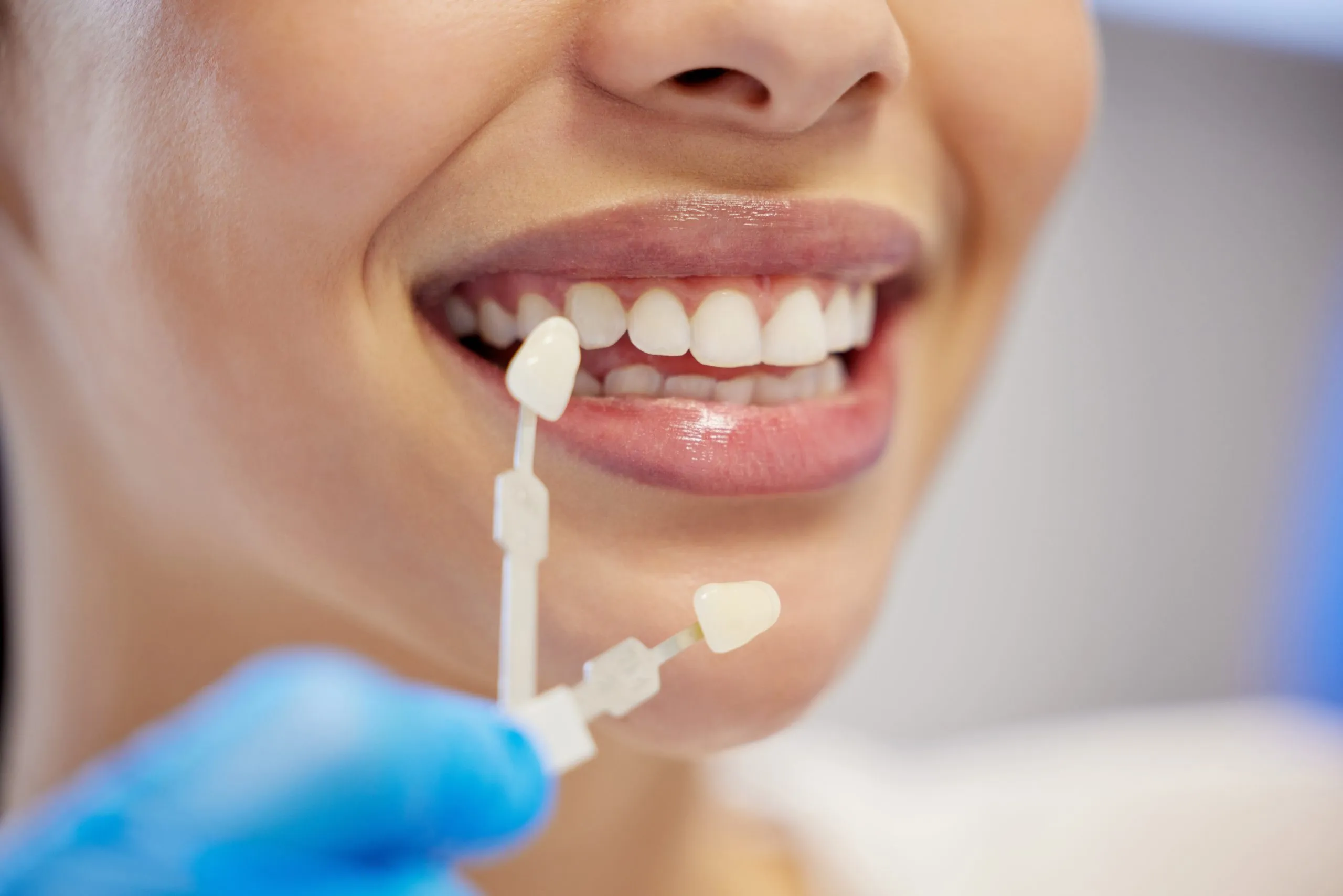
    Porcelain veneers are crafted from high-quality ceramic material. These thin shells fit over the front surface of teeth, hiding imperfections. Stains, chips, or gaps can diminish a smile’s allure. Veneers restore this allure, providing a fresh start to your smile.

    Choosing veneers means gaining a solution that balances beauty with durability. You gain a smile that not only looks great but stands the test of time. Veneers are a reliable option for improving dental aesthetics.

    Procedure Overview

    The journey to a new smile with veneers involves several key steps:

    • Consultation: Your dentist will examine your teeth and discuss your goals. This initial step is crucial for creating a treatment plan.
    • Preparation: A small portion of enamel is removed from your teeth. This ensures a perfect fit for your veneers.
    • Impression: Your dentist will create a model of your teeth. This model guides the creation of your custom veneers.
    • Bonding: Once the veneers are ready, they are bonded to your teeth. This step requires precision to ensure a natural look.

    Each step is vital to achieving the desired results. The process requires patience and collaboration with your dentist. More details can be found on the American Dental Association’s website.

    Cost Consideration

    Investing in veneers involves considering costs. Though prices vary, understanding financial aspects ensures you make informed choices.

    FactorsCost Implications
    Material QualityHigher quality material may increase costs but offers better durability and appearance.
    Dental ExpertiseSkilled dentists charge more but deliver reliable results.
    Geographic LocationCosts vary by region. Urban areas might have higher pricing.

    For more information on cost and insurance details, you can refer to National Institute of Dental and Craniofacial Research.

    Benefits of Porcelain Veneers

    Veneers provide numerous benefits:

    • Natural Appearance: They reflect light like natural teeth, ensuring a seamless blend.
    • Stain Resistance: Porcelain resists stains better than natural enamel.
    • Durability: With proper care, veneers can last many years.

    A perfect smile can elevate your personal and professional life. Veneers offer a path to this transformation without compromising comfort or function.

    Maintaining Your Veneers

    Once your veneers are in place, maintaining them is crucial. Here are simple tips:

    • Brush and floss daily.
    • Avoid biting hard objects to prevent damage.
    • Visit your dentist regularly for check-ups.

    Proper care prolongs the life of your veneers, ensuring you enjoy your new smile for years.

    Conclusion

    Your smile is a personal asset. Porcelain veneers can enhance it, offering a blend of beauty, durability, and confidence. Working with a skilled dentist ensures a smooth process and satisfying results. Whether you seek to repair, enhance, or transform your smile, veneers offer a reliable solution that meets your needs.

  • What to Expect During Your First Visit to an Eye Doctor

    What to Expect During Your First Visit to an Eye Doctor

    Visiting an eye doctor for the first time can feel uncertain. Rest assured, you’re taking an important step for your eye health. At your first appointment with an eye doctor in Austin, TX, you’ll encounter a friendly team ready to guide you. Expect a simple check-in process, where your basic information is confirmed. The eye doctor will listen to your concerns and medical history. Then, a series of tests will assess your vision and eye health. These tests are quick and painless. You might need to read letters or follow a light. The doctor will explain each step and answer your questions. At the end of your visit, you’ll understand your eye health better and receive guidance on next steps. You deserve clear vision and healthy eyes. Your first visit is a positive stride toward maintaining that clarity and comfort. Remember, you’re not alone on this journey.

    Initial Check-In Process

    Upon arriving at the eye clinic, you will be greeted by a welcoming staff. They will guide you through the initial check-in process, which includes confirming your personal and insurance information. This step ensures that the clinic has all the necessary details to provide the best care. If you have any previous eye conditions or current symptoms, this is the time to mention them.

    Understanding Eye Tests

    The eye doctor will perform several tests to evaluate your vision and the health of your eyes. Don’t worry. These tests are designed to be straightforward and comfortable.

    Test NamePurposeWhat to Expect
    Visual Acuity TestMeasures clarity of visionYou will read letters from a chart.
    Refraction TestDetermines lens prescriptionYou will look through a device with different lenses.
    Slit Lamp ExaminationExamines eye structureThe doctor will use a microscope to inspect your eyes.
    Pupil DilationAllows a detailed eye examDrops will dilate your pupils temporarily.

    Discussing Your Results

    After the tests, the eye doctor will discuss your results with you. This conversation is crucial. You will learn about your eye health and any necessary treatments or corrections. If glasses or contacts are needed, you will receive a prescription. The eye doctor will explain how to care for your eyes and recommend follow-up visits.

    Common Questions

    Here are some common questions people have during their first eye doctor visit:

    • Will the tests hurt? No, the tests are painless and comfortable.
    • How long will the visit take? Typically, the visit lasts about an hour.
    • Do I need to bring anything? Bring your ID and insurance card.

    It’s perfectly normal to have questions or concerns. Don’t hesitate to ask. The eye doctor and their team are there to help. For more detailed information, you can visit the National Eye Institute for tips on maintaining eye health.

    After Your Visit

    Once the visit is complete, you will leave with a sense of assurance about your eye health. You’ll know if you need corrective lenses and how to care for your eyes. Schedule any follow-up appointments if necessary. Prioritize your eye care because it significantly impacts your quality of life.

    Importance of Regular Eye Exams

    Regular eye exams are crucial for everyone, not just those with vision problems. They help catch issues early. For children, check-ups ensure that vision development is on track. Adults benefit by addressing age-related changes. Early detection of conditions like glaucoma can prevent complications. The American Academy of Ophthalmology recommends regular eye exams to protect your sight.

    Your first visit to an eye doctor marks the beginning of a proactive approach to eye health. Embrace it as an essential part of personal care. Staying informed and prepared reduces anxiety and empowers you to keep your vision clear and sharp for years to come.

  • 5 Unexpected Benefits Of Night Guards Beyond Teeth Grinding

    5 Unexpected Benefits Of Night Guards Beyond Teeth Grinding

    You might think night guards only help with teeth grinding, but they offer more. Many people don’t realize the unexpected benefits these small dental devices provide. They can actually help prevent dental emergencies in Hoffman estates. This simple tool can save you time and prevent discomfort. It offers more than just protection for your teeth.

    Night guards can reduce headaches. They can prevent jaw pain. They can even improve sleep quality. Wearing a night guard can lead to better overall health. It’s important to understand these benefits.

    With night guards, you take small steps that make a big difference. You protect your teeth, avoid unnecessary pain, and improve your sleep. This device is a powerful ally for your health. The benefits are clear. They go beyond what you might expect. Night guards have more to offer than you think. The advantages are surprising and valuable.

    1. Decrease in Headaches

    Many people suffer from chronic headaches. These can stem from clenched jaws during sleep. A night guard can ease this tension. This simple device cushions the jaw, easing pressure that leads to headaches. For many, adding a night guard to their routine results in fewer headaches.

    2. Reduction of Jaw Pain

    Jaw pain can disrupt your day. It affects eating, talking, and even yawning. Night guards help alleviate this pain by promoting relaxation in your jaw muscles. The guard acts as a buffer, decreasing the strain on your jaw joints. This can lead to significant pain relief.

    3. Improved Sleep Quality

    Improving sleep quality is crucial for overall health. A night guard can help by reducing disturbances like grinding. This reduction can lead to deeper, more restful sleep. Better sleep means more energy and better concentration during the day.

    4. Prevention of Tooth Damage

    Grinding can wear down teeth over time. This leads to expensive dental repairs. Night guards offer a barrier that protects your teeth. By preventing grinding, they help maintain the integrity of your teeth. This not only saves money but also preserves your smile.

    5. Cost-Effective Dental Care

    Investing in a night guard can save money in the long term. Regular grinding leads to dental work which is costly. Avoiding this with a night guard is a smart choice. Consider it a proactive measure for your dental health.

    BenefitImpact
    Decrease in HeadachesLess tension-related pain
    Reduction of Jaw PainImproved daily comfort
    Improved Sleep QualityEnhanced overall health
    Prevention of Tooth DamageLong-lasting dental health
    Cost-Effective Dental CareFinancial savings over time

    Night guards are beneficial for more than just teeth grinding. They can improve life in unexpected ways. If you experience headaches, jaw pain, or disrupted sleep, consider a night guard. For more information, check the National Institute of Dental and Craniofacial Research. 

    Trusted sources provide insights into how night guards can improve your quality of life.

    Understanding the full benefits of night guards can change how you view this small device. It’s not just about protecting your teeth. It’s about improving your overall well-being. Take the step today to explore the unexpected advantages. Night guards offer surprising support that extends beyond what you might expect.