Year: 2024

  • Evidence-Based Addiction Recovery Therapy in NJ

    Evidence-Based Addiction Recovery Therapy in NJ

    Defining Evidence-Based Practices

    Evidence-based practices in addiction recovery are methods that have been scientifically tested and proven effective. In New Jersey, these practices form the backbone of many treatment programs, ensuring that individuals receive care that is both reliable and effective. These approaches are grounded in research, focusing on techniques that have consistently shown positive outcomes in helping people overcome substance abuse. By relying on data and proven strategies, treatment centers can provide a structured path to recovery, which is essential for those seeking to rebuild their lives.

    Importance of Evidence-Based Therapy

    The significance of evidence-based therapy in addiction recovery cannot be overstated. In New Jersey, where addiction rates have been a growing concern, utilizing therapies that are backed by solid research is crucial. These therapies not only offer a higher likelihood of success but also provide a sense of security to those in treatment, knowing that their recovery plan is rooted in science. Programs that incorporate evidence-based methods often include a mix of counseling, behavioral therapies, and sometimes medication, tailored to meet the unique needs of each individual. This personalized approach helps address the complexities of addiction, offering a comprehensive path to sobriety.

    Common Misconceptions

    Despite the proven effectiveness of evidence-based therapies, there are common misconceptions that can hinder their acceptance. Some people believe that these therapies are too rigid or lack the personal touch needed for recovery. However, in reality, evidence-based approaches are highly adaptable and can be customized to fit the personal circumstances of each patient. Another misconception is that medication-assisted treatments are simply replacing one addiction with another. In truth, these medications are carefully monitored and used as part of a broader therapeutic strategy. By dispelling these myths, individuals can approach their recovery with an open mind, ready to embrace the full spectrum of tools available to them, including those highlighted on platforms like Recovery.com.

    The Role of Cognitive Behavioral Therapy in Addiction Recovery

    Principles of Cognitive Behavioral Therapy

    Cognitive Behavioral Therapy (CBT) is a widely used method in treating addiction, focusing on altering negative thought patterns and behaviors. The core idea behind CBT is that our thoughts, feelings, and behaviors are interconnected. By identifying harmful thoughts and beliefs, individuals can learn to replace them with healthier ones, leading to better decision-making and coping strategies. This therapy is structured and goal-oriented, helping people to tackle specific problems associated with addiction. It empowers them to understand the triggers of their substance use and to develop skills to manage these triggers effectively. CBT is instrumental in providing individuals with a clearer understanding of their addiction and the skills needed to overcome it.

    CBT Techniques for Addiction

    In addiction recovery, CBT employs various techniques to help individuals manage their cravings and avoid relapse. One common technique is cognitive restructuring, which involves identifying and challenging distorted thinking patterns. Another technique is exposure therapy, where individuals are gradually exposed to situations that trigger cravings, helping them to practice coping strategies in a controlled environment. Behavioral experiments are also used to test the validity of beliefs related to substance use, encouraging individuals to adopt healthier behaviors. These techniques are tailored to each person’s unique needs, ensuring a personalized approach to recovery.

    Benefits of CBT in Recovery

    CBT offers numerous benefits for those recovering from addiction. It equips individuals with practical tools to handle stress, anxiety, and other emotional challenges without resorting to substance use. By fostering self-awareness, CBT helps individuals recognize the early warning signs of relapse and develop strategies to prevent it. This therapy also promotes a sense of empowerment, as individuals learn to take control of their thoughts and actions, leading to improved self-esteem and confidence. Moreover, CBT’s structured approach provides a clear framework for recovery, making it easier for individuals to track their progress and stay motivated on their journey to sobriety.

    Exploring Group Therapy Options for Substance Abuse in New Jersey

    Types of Group Therapy Available

    In New Jersey, group therapy is a key component of substance abuse recovery, offering a range of approaches to cater to different needs. One popular method is the 12-step program, which provides a structured path towards sobriety. Cognitive Behavioral Therapy (CBT) groups focus on changing harmful thought patterns, while Dialectical Behavioral Therapy (DBT) combines cognitive techniques with mindfulness practices. Psychoeducational groups are another option, providing valuable insights into addiction and recovery processes. Additionally, relapse prevention groups help individuals identify triggers and develop coping strategies to maintain sobriety. Each type of group therapy offers unique benefits, contributing to a comprehensive recovery journey.

    Benefits of Group Therapy

    Group therapy in New Jersey offers numerous benefits for those battling substance abuse. It provides a supportive environment where participants can share their experiences and learn from others facing similar challenges. This sense of community reduces feelings of isolation and stigma, fostering a more positive outlook on recovery. Furthermore, group therapy encourages accountability, as members motivate each other to stay committed to their recovery goals. The sessions often involve learning and practicing essential life skills, such as stress management and problem-solving, which are crucial for navigating the recovery journey successfully.

    Finding the Right Group Therapy

    Choosing the right group therapy in New Jersey involves considering various factors, such as the specific needs of the individual and the type of support they seek. Many treatment centers in the state offer diverse group therapy options, ensuring that individuals can find a suitable fit for their recovery journey. It’s important to explore different programs and speak with healthcare providers to determine which approach aligns best with one’s personal goals and circumstances. Additionally, community organizations and online resources can provide valuable information to help individuals connect with the right group therapy sessions, making the path to recovery more accessible and tailored to their needs.

    Medication-Assisted Treatment: A Comprehensive Approach

    Understanding Medication-Assisted Treatment

    Medication-assisted treatment (MAT) is a method used to treat substance use disorders that combines medication with counseling and behavioral therapies. In New Jersey, facilities like The Recovery Center offer MAT as part of their approach to addiction recovery. The goal is to address the physical and psychological aspects of addiction, making it easier for individuals to sustain long-term recovery.

    Medications Used in Treatment

    The medications used in MAT are approved by the FDA and are designed to reduce cravings and withdrawal symptoms. These include methadone, buprenorphine, and naltrexone, among others. Each medication works differently, and the choice depends on the individual’s specific needs and the substance involved. At The Recovery Center, healthcare professionals carefully tailor the medication plan to fit each person’s recovery journey.

    Effectiveness of Medication-Assisted Therapy

    Research has shown that MAT can significantly improve recovery outcomes. By reducing the discomfort of withdrawal and cravings, individuals can focus more on their recovery process and less on the immediate need to use substances. This approach not only helps in stabilizing the individual but also supports their mental health, making it a vital component of a holistic treatment plan. The Recovery Center emphasizes the importance of integrating MAT with therapy and support services to ensure a comprehensive approach to addiction recovery. Through this integrated method, patients can work towards a healthier, substance-free life.

    The Importance of Dual Diagnosis in Addiction Recovery

    What is Dual Diagnosis?

    Dual diagnosis is a term used when someone has both a mental health disorder and a substance use disorder. This combination is more common than many might think. People struggling with addiction often have underlying mental health issues like depression, anxiety, or bipolar disorder. Sometimes, these mental health issues can even be the root cause of the addiction. On the flip side, substance abuse can worsen mental health conditions, creating a vicious cycle. Recognizing and treating both conditions at the same time is crucial for effective recovery. Facilities like Crossroads Recovery focus on this comprehensive approach, ensuring that both the mental health and addiction aspects are addressed.

    Challenges of Dual Diagnosis

    Treating dual diagnosis is not straightforward. It presents unique challenges because both conditions can influence each other. For instance, if the mental health issue isn’t treated, it might lead to a relapse in substance use. Conversely, ongoing substance abuse can make mental health treatments less effective. This complex interplay requires a coordinated treatment plan that addresses both disorders simultaneously. Crossroads Recovery, for example, employs a team of specialists who work together to create a personalized plan for each individual, tackling both the mental health and addiction issues head-on.

    Treatment Strategies for Dual Diagnosis

    Effective treatment for dual diagnosis involves an integrated approach. This means that both mental health and addiction services are provided in a coordinated manner. At centers like Crossroads Recovery, treatment plans often include a mix of medication, therapy, and support groups. Medication can help manage symptoms of mental health disorders, while therapy provides tools to cope with addiction triggers. Support groups offer a community of people who understand the dual challenges, providing encouragement and shared experiences. By addressing both aspects of dual diagnosis, patients can work towards a more stable and sustainable recovery.

    12-Step Programs: A Traditional Path to Recovery

    History of 12-Step Programs

    The Twelve-step programs have a long-standing history in the realm of addiction recovery, dating back to the founding of Alcoholics Anonymous (AA) in the 1930s. The program was initially developed to help individuals struggling with alcohol dependence, offering a structured framework based on spiritual and moral principles. Over the decades, the success of AA has led to the creation of numerous other 12-step groups, such as Narcotics Anonymous (NA), which cater to a variety of addictions beyond alcohol. These programs have become a cornerstone in the recovery community, providing a roadmap for individuals seeking to overcome their dependencies.

    Key Principles of 12-Step Programs

    The core of 12-step programs revolves around several guiding principles that participants are encouraged to follow. One of the fundamental aspects is admitting one’s powerlessness over addiction, which is often seen as the first step toward recovery. This acknowledgment paves the way for individuals to seek help from a higher power, whether that be a religious figure, the collective wisdom of the group, or another source of spiritual strength. Additionally, participants are urged to conduct a moral inventory, make amends for past wrongdoings, and continue to support others in their recovery journey. These steps are designed to foster a sense of accountability and community, which are crucial elements in maintaining long-term sobriety.

    Success Stories from 12-Step Programs

    The effectiveness of 12-step programs is often highlighted through countless success stories shared by individuals who have found lasting recovery through these initiatives. Participants frequently report that the communal aspect of the meetings provides a supportive environment where they can openly share their struggles and triumphs without judgment. This sense of belonging and mutual support can be a powerful motivator, helping individuals stay committed to their recovery goals. Moreover, the structured nature of the program offers a clear path forward, which can be particularly beneficial for those who feel lost or overwhelmed by their addiction. While not a one-size-fits-all solution, 12-step programs continue to be a valuable resource for many on their path to recovery.

    The Benefits of Outpatient Programs in New Jersey

    Flexibility of Outpatient Programs

    Outpatient programs in New Jersey offer a flexible approach to addiction recovery, allowing individuals to maintain their daily routines while receiving treatment. Unlike residential programs, outpatient services let participants live at home, which can be crucial for those with work, school, or family commitments. This flexibility means that individuals can attend therapy sessions and support groups at times that fit their schedules, making it easier to balance recovery with everyday responsibilities. Facilities like Seabrook Recovery provide tailored outpatient services that adapt to the unique needs of each person, ensuring that treatment is both effective and accommodating.

    Types of Outpatient Services

    In New Jersey, outpatient services come in various forms, each designed to support different stages of recovery. These include individual counseling, group therapy, and specialized programs like intensive outpatient programs (IOPs) and partial hospitalization programs (PHPs). Each type of service offers a different level of support and structure, allowing individuals to choose the one that best suits their recovery needs. Seabrook Recovery, for example, offers a comprehensive range of outpatient services, ensuring that individuals have access to the right level of care at every stage of their journey.

    Choosing the Right Outpatient Program

    Selecting the right outpatient program is a critical step in the recovery process. It’s important to consider factors such as the types of services offered, the qualifications of the staff, and the overall philosophy of the treatment center. In New Jersey, programs like those at Seabrook Recovery emphasize a holistic approach, combining evidence-based practices with personalized care. This ensures that individuals receive the support they need to achieve and maintain sobriety, all while being empowered to take charge of their recovery journey. By choosing a program that aligns with their personal goals and lifestyle, individuals can enhance their chances of a successful recovery.

    Family Involvement in Addiction Recovery Therapy

    Role of Family in Recovery

    Family involvement is often a cornerstone in the journey of addiction recovery. The presence of a supportive family can significantly influence the success of an individual’s recovery process. Families often provide the emotional backing needed to motivate individuals to stay on the path to sobriety. They can help reinforce the lessons learned in therapy and provide a sense of accountability. In New Jersey, facilities like the American Addiction Centers emphasize the importance of integrating family members into the recovery process. By participating in therapy sessions, families can better understand the dynamics of addiction, learn how to communicate effectively, and develop strategies to support their loved ones without enabling the addiction.

    Family Therapy Techniques

    Family therapy is a critical component of addiction recovery that focuses on healing and rebuilding the relationships that have been strained by substance abuse. Techniques used in family therapy can include open discussions, role-playing, and conflict resolution exercises. These methods aim to improve communication, establish healthy boundaries, and address any co-dependency issues. In New Jersey, addiction centers often customize these techniques to fit the unique needs of each family, ensuring that therapy sessions are as effective as possible. The involvement of the family in therapy can lead to a deeper understanding of the addiction process and foster a more supportive environment for recovery.

    Building a Supportive Environment

    Creating a supportive environment is essential for sustaining recovery after formal treatment ends. Families can play a pivotal role in this by maintaining a home environment that minimizes triggers and stressors that could lead to relapse. This involves not only emotional support but also practical help, such as assisting with daily tasks or attending support group meetings together. The American Addiction Centers in New Jersey advocate for ongoing family involvement, as it can be a powerful motivator for individuals in recovery. By working together, families can help their loved ones build a stable and nurturing environment that supports long-term sobriety.

    Overcoming Stigma in Addiction Recovery

    Understanding Stigma in Addiction

    Stigma surrounding addiction is a major barrier for those seeking help. Many people view addiction as a moral failing rather than a health issue. This misunderstanding leads to harsh judgments and discrimination against those struggling with substance abuse. It’s crucial to recognize that addiction is a complex condition influenced by various factors, including genetics, environment, and mental health. By acknowledging addiction as a disease, society can begin to dismantle the negative stereotypes that prevent individuals from seeking necessary treatment.

    Impact of Stigma on Recovery

    The effects of stigma on recovery are profound. Individuals dealing with addiction often face shame and guilt, which can deter them from reaching out for help. This societal prejudice can lead to isolation, as those affected may feel judged and unsupported. The stigma can also affect the quality of care, as healthcare providers might unconsciously harbor biases that impact their treatment decisions. To overcome these challenges, it’s important to foster a supportive environment where individuals feel safe to pursue recovery without fear of judgment.

    Strategies to Combat Stigma

    Combating stigma requires collective effort. Education is a powerful tool in changing perceptions. By spreading awareness about the realities of addiction, people can begin to see it as a health issue rather than a personal choice. Encouraging open conversations about addiction can help dispel myths and promote empathy. Support groups and advocacy organizations play a vital role in providing platforms for individuals to share their experiences and challenge societal misconceptions. Additionally, media representation of addiction should be accurate and compassionate, highlighting stories of recovery and resilience.

    Relapse Prevention Strategies in Addiction Therapy

    Relapse prevention is a vital aspect of addiction therapy, playing a key role in maintaining long-term sobriety. In New Jersey, centers like Serenity at Summit emphasize the importance of identifying personal triggers and developing effective coping mechanisms to combat the risk of relapse. Understanding these triggers, which can range from stress and emotional turmoil to environmental cues, is crucial for individuals striving to maintain their recovery.

    Identifying Triggers and Warning Signs

    Recognizing the signs that could lead to relapse is the first step in prevention. Individuals are encouraged to work closely with therapists to pinpoint specific triggers that may jeopardize their sobriety. This process often involves detailed discussions and self-reflection, allowing individuals to gain insights into their vulnerabilities. By identifying these triggers, those in recovery can better prepare themselves to handle situations that might otherwise lead to relapse.

    Developing Coping Mechanisms

    Once triggers are identified, the next step is to develop robust coping strategies. These mechanisms are tailored to the individual’s needs and are designed to provide healthy alternatives to substance use. Techniques such as mindfulness, stress management, and cognitive-behavioral strategies are often employed. Serenity at Summit, for instance, offers personalized therapy sessions that focus on equipping individuals with tools to manage cravings and emotional distress effectively.

    Long-Term Relapse Prevention

    Sustaining recovery is an ongoing journey that requires continuous effort and support. Long-term relapse prevention strategies involve building a strong support network, which can include family, friends, and support groups. Regular participation in therapy sessions and support meetings is encouraged to reinforce commitment to sobriety. Additionally, lifestyle changes such as maintaining a healthy routine, engaging in physical activities, and pursuing hobbies can significantly contribute to a stable recovery. Facilities in New Jersey, like Serenity at Summit, provide comprehensive aftercare programs that support individuals in their long-term recovery journey, ensuring they have access to resources and guidance whenever needed.

    The Role of Aftercare Programs in Sustaining Recovery

    Aftercare programs are a critical part of the recovery process, offering ongoing support and resources for individuals who have completed initial treatment for addiction. These programs can include a variety of components, such as counseling, support groups, and educational workshops, all designed to help maintain sobriety. The structure of aftercare programs can be tailored to each individual’s needs, ensuring that they receive the support necessary to navigate the challenges of everyday life without substances. Recovery from addiction continues beyond rehabilitation, making aftercare programs essential for sustained sobriety and support.

    The journey to recovery is not a straight path, and having ongoing support can make a significant difference in maintaining sobriety. Aftercare programs provide a network of support that can help individuals manage stress, avoid triggers, and maintain healthy habits. This continued support is crucial for preventing relapse and encouraging long-term recovery. Participants in aftercare programs often report feeling more confident and equipped to handle life’s challenges without turning to substances.

    Locating the right aftercare resources can be pivotal for someone in recovery. Many treatment centers offer aftercare planning as part of their services, helping individuals transition smoothly from rehabilitation to everyday life. Community organizations and online directories can also be valuable resources for finding local support groups and counseling services. It’s important for individuals to find aftercare programs that fit their personal recovery goals and lifestyle, ensuring they have access to the right support at the right time.

    Innovative Therapies in Addiction Recovery

    Emerging Therapies in NJ

    In New Jersey, the landscape of addiction recovery is continually evolving, with new therapies emerging to offer fresh hope to those struggling with substance abuse. Among these, behavioral therapies such as cognitive-behavioral therapy (CBT) and dialectical behavior therapy (DBT) remain foundational, but newer approaches are gaining traction. Pet therapy, for instance, uses the calming presence of animals to help individuals manage stress and anxiety, which are often triggers for relapse. Art and music therapies provide creative outlets for expression, allowing individuals to process emotions and experiences in non-verbal ways. These therapies are not only innovative but also cater to diverse needs, making them valuable additions to traditional treatment methods.

    Integrating Traditional and Innovative Approaches

    The integration of traditional and innovative therapies in addiction recovery is not just about trying something new; it’s about enhancing the effectiveness of treatment plans. Traditional methods like individual counseling and group therapy are being complemented by approaches such as action adventure therapy, which involves physical activities that promote teamwork and self-confidence. This blend of therapies helps to address different aspects of addiction, from emotional and psychological to social and physical. By combining these methods, treatment centers in New Jersey are offering more comprehensive care that can adapt to the unique needs of each individual.

    Evaluating the Effectiveness of New Therapies

    Evaluating the effectiveness of these innovative therapies is crucial for their continued use in addiction recovery. While traditional therapies have a well-documented history of success, newer methods require ongoing research and clinical trials to establish their efficacy. This involves tracking patient outcomes over time and comparing them to those who undergo more conventional treatments. As these therapies continue to develop, they hold the potential to redefine recovery strategies, offering more personalized and effective solutions for those battling addiction. The commitment to evidence-based practices ensures that only the most effective therapies become a staple in recovery programs, providing hope and healing to individuals across New Jersey.

  • Achieve Radiance and Clarity with Pico Toning Therapy

    Achieve Radiance and Clarity with Pico Toning Therapy

    Pico toning therapy has emerged as a groundbreaking solution for individuals seeking a radiant and even-toned complexion without invasive procedures. This advanced treatment harnesses the power of pico-second laser technology to target various skin imperfections, enhancing overall skin clarity and texture. Unlike traditional methods, pico toning offers remarkable precision and effectiveness, providing visible results after just a few sessions.

    Targeting Pigmentation and Discoloration

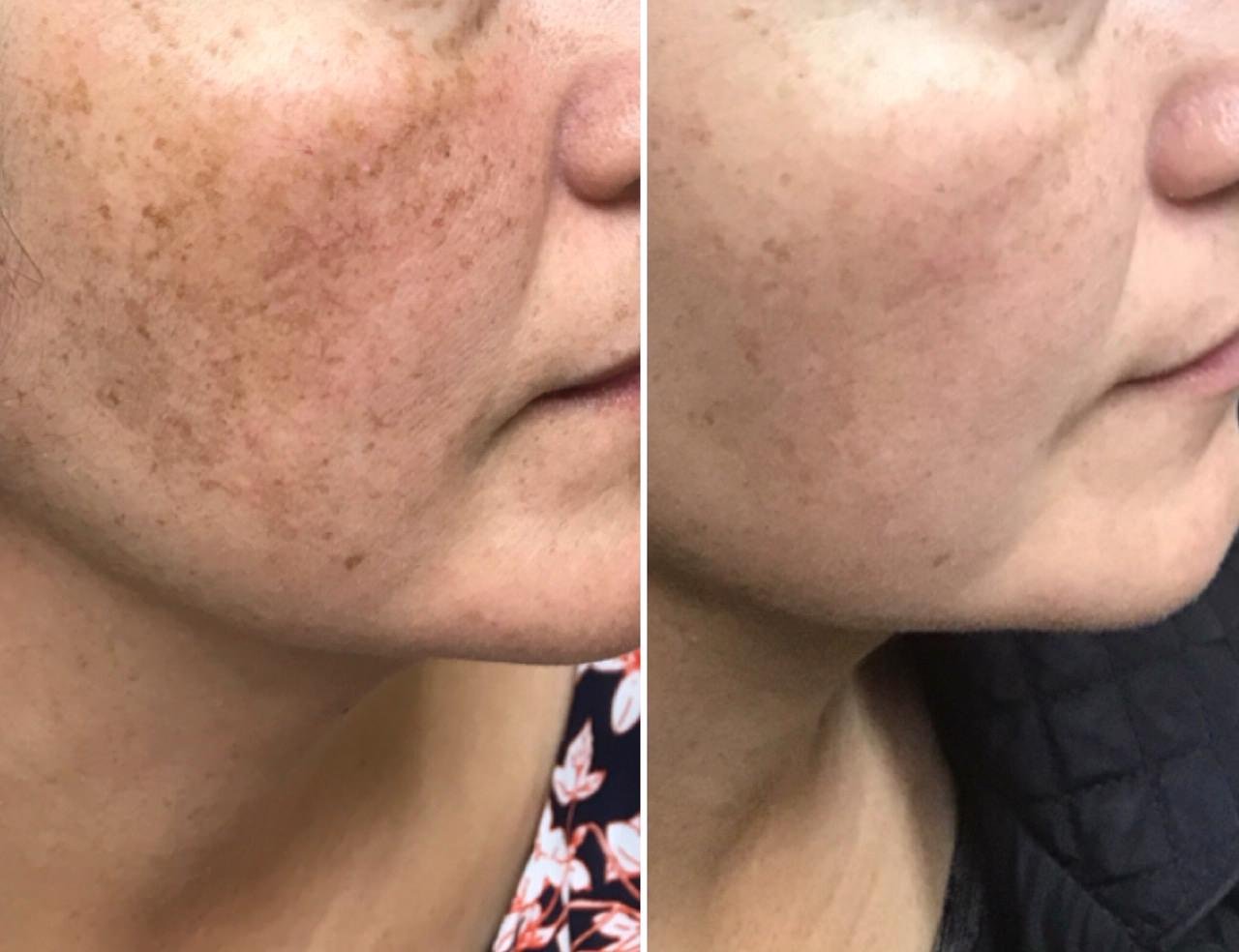
    One of the primary benefits of pico toning treatment is its ability to address stubborn pigmentation issues. Whether it’s sunspots, age spots, or melasma, pico toning works by breaking down the pigment particles into smaller fragments, making it easier for the body to eliminate them naturally. The pico laser’s ultra-short pulses penetrate deep into the skin without causing damage, allowing it to treat both surface-level and deeper pigmentation concerns. For individuals struggling with uneven skin tone, this therapy offers a non-invasive and highly effective solution to restore clarity and radiance.

    Smoothing Fine Lines and Wrinkles

    Pico toning treatment doesn’t just stop at pigmentation correction. It’s also a powerful tool for reducing the appearance of fine lines and wrinkles. By stimulating collagen production, pico toning encourages the skin to renew itself, leading to smoother, firmer skin. Over time, this increased collagen production helps to diminish the visibility of fine lines, resulting in a more youthful appearance. Unlike more aggressive treatments, pico toning achieves these results without extensive downtime, making it an appealing option for those with busy schedules.

    Addressing Acne Scars and Skin Texture

    Acne scars and rough skin texture can be a source of frustration for many individuals. Pico toning therapy offers a precise and effective way to reduce the appearance of these imperfections. The pico laser targets the scar tissue, breaking it down and promoting the regeneration of healthy skin cells. This process gradually smoothens the skin’s texture, making acne scars less noticeable over time. Additionally, the treatment helps to refine the skin’s surface, leaving it smoother and more even.

    Reducing Redness and Inflammation

    For those dealing with skin conditions like rosacea or general redness, pico toning therapy provides a solution by targeting the dilated blood vessels that contribute to redness. The laser’s targeted action reduces inflammation and redness without affecting the surrounding skin, leading to a more balanced and calm complexion. Over a series of treatments, individuals often notice a significant reduction in the overall redness, helping them achieve a clearer and more even skin tone.

    Minimizing Pore Size for a Flawless Finish

    Large pores can detract from an otherwise smooth complexion. Pico toning treatment offers a solution by tightening the skin and minimizing the appearance of enlarged pores. The laser energy stimulates collagen and elastin production, which helps to tighten the skin and reduce pore size. This leads to a more refined texture, giving the skin a flawless and smooth finish.

    Treating Sun Damage and Revitalizing Skin

    Sun damage can leave the skin looking dull, tired, and uneven. Pico toning therapy revitalizes the skin by targeting sun-damaged areas and promoting the regeneration of healthy skin cells. The treatment encourages skin renewal, leading to a brighter, more even complexion. Individuals with sun damage often notice significant improvements in skin tone and texture, with the skin appearing more youthful and refreshed after just a few sessions.

    How Pico Toning Works

    Pico toning treatment utilizes picosecond laser technology, delivering ultra-short bursts of energy to the skin. These bursts are much shorter than those used in traditional laser treatments, allowing for more precise targeting of skin concerns without causing damage to the surrounding tissues. The laser works by shattering pigment particles into smaller fragments, which are then naturally eliminated by the body’s immune system. The energy also stimulates the production of collagen and elastin, two vital components of healthy, youthful skin.

    Suitable for All Skin Types

    One of the standout features of pico toning treatment is its versatility. It is suitable for all skin types, including those with darker skin tones, which can sometimes be difficult to treat with traditional lasers. The picosecond technology minimizes the risk of hyperpigmentation and other side effects, making it a safe and effective option for a wide range of individuals. Whether addressing pigmentation, acne scars, or general skin rejuvenation, pico toning offers a customized solution that caters to individual skin concerns.

    Minimal Downtime and Fast Recovery

    Another advantage of pico toning therapy is its minimal downtime. Unlike more invasive procedures, pico toning allows individuals to return to their daily activities almost immediately after treatment. There may be mild redness or swelling, but these side effects typically subside within a few hours to a day. This makes pico toning an ideal option for individuals who want to improve their skin without the lengthy recovery times associated with other treatments.

    What to Expect During Treatment

    A typical pico toning treatment session lasts between 20 to 30 minutes, depending on the size of the area being treated. Before the session begins, a numbing cream may be applied to ensure comfort throughout the procedure. The laser is then applied to the skin in short bursts, targeting the specific areas of concern. While the treatment is generally well-tolerated, some individuals may experience a mild tingling sensation during the procedure. After the session, there may be slight redness, but this usually fades quickly.

    What to Remember Post-Treatment

    After undergoing pico toning treatment, it’s essential to follow the aftercare instructions provided by your skincare professional. This typically includes avoiding direct sun exposure and using a high-quality sunscreen to protect the skin from UV damage. Hydration is also key, so make sure to keep the skin moisturized with gentle, non-comedogenic products. Following these guidelines will help to maximize the results of your pico toning treatment and ensure long-lasting improvements in your skin’s appearance.

    Achieving Long-Lasting Results

    While some individuals may notice immediate improvements after the first session, pico toning treatment is typically performed as a series of treatments to achieve optimal results. Most individuals require between 3 to 5 sessions, spaced a few weeks apart, depending on their skin concerns. Once the desired results are achieved, maintenance sessions can be scheduled every few months to sustain the improvements.

    Pico toning therapy offers a non-invasive, highly effective solution for individuals looking to achieve clearer, more radiant skin. With its ability to target pigmentation, reduce fine lines, smooth acne scars, and minimize pores, this advanced laser treatment provides comprehensive benefits for a variety of skin concerns. Whether you’re looking to enhance your complexion or tackle specific issues, pico toning is a versatile and safe option that delivers impressive results.

  • Flu Vaccination Side Effects: What to Expect

    Flu Vaccination Side Effects: What to Expect

    Flu vaccination is a crucial tool in preventing influenza and its potential complications. While the flu vaccine is generally safe and effective, it is important to be aware of potential side effects. Understanding what to expect can help you prepare and alleviate any concerns you might have.

    This article provides an overview of common and less common side effects associated with flu vaccination, and offers guidance on what to do if you experience them.

    Common Side Effects of Flu Vaccination

    Most people experience mild and temporary side effects following a flu vaccination. These side effects are generally short-lived and are a normal part of your body’s response to the vaccine.

    1. Soreness at the Injection Site: One of the most common side effects is soreness at the site where the vaccine was administered. This typically occurs within a day of receiving the shot and can last for a few days. The soreness is usually mild and can be managed with over-the-counter pain relievers.
    2. Redness and Swelling: Along with soreness, you might notice some redness or swelling at the injection site. This reaction is a result of the body’s immune response and should subside on its own within a few days. Applying a cool compress to the area can help reduce discomfort.
    3. Low-Grade Fever: Some individuals might experience a low-grade fever after getting the flu vaccination. This is a normal reaction as your immune system responds to the vaccine. The fever is usually mild and goes away within a couple of days.
    4. Fatigue and Headache: Feeling tired or experiencing a mild headache is not uncommon after receiving the flu vaccine. These symptoms are generally short-lived and can be alleviated with rest and hydration.

    Less Common Side Effects

    While rare, some individuals may experience less common side effects. It’s important to recognize these to differentiate them from more serious adverse reactions.

    1. Muscle Aches: Occasionally, people may experience muscle aches or joint pain after getting the flu vaccination. This is typically mild and resolves on its own within a few days. If the discomfort persists or worsens, consult a healthcare provider.
    2. Nausea: In some cases, individuals might feel mildly nauseous after receiving the vaccine. This side effect is usually short-term and can be managed with light meals and staying hydrated.
    3. Allergic Reactions: Although extremely rare, some people may have an allergic reaction to components of the flu vaccine. Symptoms of an allergic reaction may include hives, difficulty breathing, or swelling of the face and throat. If you experience any of these symptoms, seek medical attention immediately.

    Addressing Concerns and When to Seek Medical Help

    Understanding the typical side effects of the flu vaccination can help alleviate concerns and prepare you for any potential reactions. However, it’s also important to know when to seek medical help.

    1. Severe Reactions: If you experience severe symptoms such as a high fever, persistent pain, or an allergic reaction, contact your healthcare provider. These reactions are rare but should be addressed promptly.
    2. Unusual Symptoms: If you have any symptoms that seem unusual or persist beyond a few days, it is advisable to consult with a healthcare professional. They can assess whether your symptoms are related to the flu vaccination or if there may be another underlying cause.
    3. Pre-Existing Conditions: If you have pre-existing health conditions or are concerned about how the flu vaccination might affect you, discuss your concerns with your healthcare provider before getting vaccinated. They can provide personalized advice based on your health history.

    Benefits of Flu Vaccination

    Despite the potential for side effects, the benefits of getting vaccinated far outweigh the risks. The flu vaccine helps protect against influenza, reducing the risk of severe illness, hospitalization, and complications such as pneumonia. By getting vaccinated, you not only protect yourself but also help prevent the spread of the flu to others, particularly those who are more vulnerable to severe illness.

    Conclusion

    Flu vaccination is an essential preventive measure to safeguard your health and the health of those around you. While mild side effects are common and temporary, understanding what to expect can help you manage them effectively.

    Most side effects are short-lived and manageable, with serious reactions being extremely rare. If you experience any unusual or severe symptoms, don’t hesitate to seek medical advice. Ultimately, the benefits of flu vaccination in preventing illness and complications make it a valuable and recommended health practice.

  • Thoracic Back Pain: Unraveling the Mystery of Mid-Back Discomfort

    Thoracic Back Pain: Unraveling the Mystery of Mid-Back Discomfort

    While neck and lower back pain tend to hog the spotlight, thoracic back pain – that nagging ache in the middle of your spine – can be just as debilitating. Often dismissed as a minor inconvenience, this discomfort can significantly impact your daily life, hindering movement and affecting your overall well-being. To effectively manage and overcome thoracic back pain, we must first understand its origins and explore the myriad of treatment options available.

    The Thoracic Spine: The Unsung Hero of Your Back

    The thoracic spine, comprising 12 vertebrae nestled between your neck and lower back, forms the longest and most stable segment of your spinal column. It serves as a sturdy anchor for your rib cage, safeguarding vital organs while enabling a wide range of upper body movements. A complex network of muscles, ligaments, and nerves envelops this region, contributing to its stability and function. When any of these components falter, thoracic back pain can rear its ugly head.

    Decoding the Culprits Behind Thoracic Back Pain

    Thoracic back pain isn’t a one-size-fits-all condition; its causes are as diverse as the individuals it affects. Some of the most common culprits include:

    • Postural Pitfalls: Slouching or hunching over for extended periods places undue stress on your thoracic spine, leading to muscle imbalances and pain.
    • Joint Dysfunction: The facet joints, which connect your vertebrae, can become inflamed or irritated due to arthritis or injury, causing pain and stiffness.
    • Disc Herniation: While less common in the thoracic spine, a herniated disc can compress nerves, triggering pain, numbness, or weakness.
    • Osteoporosis: This condition weakens your bones, making them more susceptible to fractures, which can occur in the thoracic spine and cause significant pain.
    • Referred Pain: Pain from other organs, such as the heart, lungs, or gallbladder, can sometimes manifest as thoracic back pain.

    Recognizing the Red Flags: Symptoms of Thoracic Back Pain

    Thoracic back pain can present in various ways, often mimicking other conditions. Some telltale signs include:

    • Aching or Stiffness: A dull, persistent ache or a feeling of stiffness in the mid-back region is a common symptom.
    • Sharp or Stabbing Pain: Sudden, intense pain can occur with certain movements or postures.
    • Muscle Tightness or Spasms: The muscles surrounding the thoracic spine may feel tight or experience spasms.
    • Limited Range of Motion: Pain can restrict movement in the upper back, making it difficult to twist or bend.
    • Numbness or Tingling: In rare cases, nerve compression can cause numbness or tingling sensations in the arms or chest.

    Taming the Beast: Managing Thoracic Back Pain

    Effectively managing thoracic back pain requires a multi-pronged approach that addresses the root cause and provides relief from discomfort. Here are some strategies that can help:

    Self-Care Strategies

    • Heat or Ice Therapy: Applying heat or ice packs to the affected area can help reduce inflammation and pain.
    • Over-the-Counter Pain Medications: Nonsteroidal anti-inflammatory drugs (NSAIDs) or acetaminophen can offer temporary relief from pain.
    • Gentle Stretching and Exercises: Specific stretches and exercises can improve flexibility, strengthen muscles, and promote healing.
    • Posture Perfection: Practicing proper posture while sitting, standing, and lifting can alleviate stress on the thoracic spine.

    Professional Interventions

    • Physical Therapy: A physical therapist can design a personalized exercise program to address muscle imbalances, improve range of motion, and reduce pain.
    • Chiropractic Care: Spinal manipulation and other techniques performed by a chiropractor can help restore joint function and alleviate pain.
    • Massage Therapy: Massage can relax muscles, improve circulation, and reduce pain.

    Prevention is Key: Safeguarding Your Thoracic Spine

    Taking proactive steps to prevent thoracic back pain can significantly reduce your risk of experiencing discomfort and improve your overall spinal health. Consider these preventive measures:

    • Maintain a Healthy Weight: Excess weight places additional stress on your spine, increasing the risk of pain.
    • Exercise Regularly: Engaging in regular physical activity helps strengthen muscles, improve flexibility, and promote spinal health.
    • Perfect Your Posture: Maintaining proper posture while sitting, standing, and lifting can help prevent muscle strain and pain.
    • Embrace Ergonomic Equipment: Utilizing ergonomic chairs, desks, and other equipment can reduce stress on your spine during work or other activities.
    • Avoid Repetitive Motions: Taking breaks and varying activities can help prevent overuse injuries and muscle strain.

    When to Seek Professional Help

    While most cases of thoracic back pain respond well to self-care measures and conservative treatment, it’s crucial to seek medical attention if:

    • Pain is Severe or Persistent: If pain is intense or doesn’t improve with self-care, consult a healthcare professional.
    • Pain is Accompanied by Other Symptoms: Numbness, tingling, weakness, or loss of bladder or bowel control warrant immediate medical attention.
    • Pain is Associated with a Recent Injury or Trauma: Seek medical evaluation if pain follows a fall, accident, or other injury.

    Thoracic back pain, though often underestimated, can significantly disrupt your life. By understanding its causes, symptoms, and treatment options, you can take charge of your health and reclaim your comfort. Remember, seeking professional guidance when necessary is crucial for accurate diagnosis and optimal treatment outcomes. Don’t let thoracic back pain hold you back – take the first step towards a pain-free life today.


  • How do you spot high-quality kratom powder online?

    How do you spot high-quality kratom powder online?

    As more people turn to this botanical supplement for various purposes, including energy enhancement and mood support, the importance of identifying premium kratom has never been greater. Getting the best kratom powder for your needs requires knowing and using the right tools when you shop online. To determine what makes high-quality kratom, we must first understand what determines its overall quality:

    1. Source and harvesting practices
    2. Processing and storage methods
    3. Alkaloid content and consistency
    4. Purity and absence of contaminants
    5. Freshness and proper packaging

    By keeping these factors in mind, you’ll be better prepared to evaluate kratom products online.

    Visual indicators of quality

    While it’s impossible to physically inspect kratom powder before purchasing online, reputable vendors often provide detailed product images. High-quality kratom powder typically exhibits the following visual characteristics:

    • Consistent colour – The powder should be uniform throughout without discolouration or odd patches.
    • Fine texture – Premium kratom is usually finely ground, resulting in a smooth, flour-like consistency.
    • Proper hue – The colour should be appropriate for the strain.

    Be wary of product images that show clumpy, discoloured, or unusually bright kratom powder, as these may indicate poor quality or artificial enhancements.

    Third-party lab testing

    Kratom powder

    The most reliable indicator of high-quality kratom is the availability of third-party lab test results. Reputable vendors invest in independent laboratory testing to verify their products’ purity, potency, and safety. When evaluating a kratom vendor, look for:

    1. Easily accessible lab reports on the website
    2. Test results for contaminants such as heavy metals, pesticides, and microbes
    3. Alkaloid profile analysis, including mitragynine and 7-hydroxy mitragynine content
    4. Batch-specific testing, ensuring that the results correspond to the product you’re purchasing

    Vendors who prioritize transparency and regularly update lab results demonstrate customer safety.

    Strain variety and information

    High-quality kratom vendors typically offer a wide range of strains and provide detailed information about each product. Look for vendors who:

    • Offer multiple vein colours
    • Provide strain-specific descriptions, including origin and potential effects
    • Offer information about harvesting and processing methods
    • Include customer reviews or ratings for each strain

    When searching for kratom for energy from happy go leafy or any other vendor, it’s crucial to pay attention to the strain information provided. Reputable sellers often highlight the energizing properties of certain strains, such as White Maeng Da or Green Malay. They may offer customer testimonials or usage suggestions for those seeking an energy boost. This level of detail and customer-centric approach indicates a vendor prioritising quality and customer satisfaction.

    Packaging and freshness guarantees

    The way kratom is packaged plays a significant role in maintaining its quality and potency. Look for vendors who use:

    1. Air-tight, resalable packaging
    2. Light-resistant or opaque containers to protect from UV degradation
    3. Moisture-resistant materials to prevent mould growth

    High-quality vendors often provide freshness guarantees or clearly state their product turnover rates to ensure customers receive recently harvested and processed kratom.

    Pricing considerations

    While high-quality kratom doesn’t necessarily have to be the most expensive, be cautious of prices that seem too good to be true. Low prices may indicate:

    • Poor quality or old product
    • Lack of proper testing and quality control measures
    • Unethical sourcing practices

    Compare prices across multiple reputable vendors to get a sense of the market rate for quality kratom powder. As you become more familiar with the kratom market, you’ll develop a keener eye for quality indicators and be better equipped to make informed decisions. Ensure you investigate different vendors until you find one that consistently meets your quality and service standards.

  • Tips for Preparing for Your Appointment with a Migraine Specialist

    Tips for Preparing for Your Appointment with a Migraine Specialist

    When preparing for an appointment with a migraine specialist, it’s important to be well-prepared to make the most of your consultation. Seeing a migraine specialist in Georgia can significantly improve your treatment plan, but arriving at your appointment with the right information is key to getting the best care.

    1.   Keep a Migraine Diary

    One of the most valuable tools you can bring to your appointment is a migraine diary. This log should detail the frequency, duration, and intensity of your migraine attacks, as well as any potential triggers. Understanding and recording how long your migraines last is especially useful for identifying patterns that may inform your treatment plan. If you’re wondering how long migraines can last, it’s helpful to track both short-term and prolonged episodes, as this information will assist your specialist in tailoring a more effective treatment strategy.

    2.   List Your Current Medications and Treatments

    List all the medications, supplements, and treatments you’re currently taking, along with their dosages and how often you use them. This includes both prescription and over-the-counter items. Your migraine specialist will need this information to assess the effectiveness of your treatment plan and recommend any necessary changes.

    3.   Gather Medical Records

    If you’ve seen other healthcare providers about your migraines, bring copies of any relevant medical records, including previous diagnoses, imaging results, and treatment notes. This background will help your specialist get a comprehensive view of your condition.

    4.   Prepare Questions for Your Specialist

    It’s a good idea to prepare a list of questions or concerns you have about your migraines. These could include questions about potential triggers, treatment options, lifestyle changes, or even the long-term management of your condition. Having your questions written down ensures you won’t forget them during your appointment.

    5.   Understand Your Insurance Coverage

    Before your appointment, it’s essential to verify your insurance coverage to understand which services are included in your plan. This encompasses consultations, diagnostic tests, and any treatments that your migraine specialist may suggest. Understanding your insurance benefits can help you avoid surprising costs and make informed choices about your healthcare.

    6.   Plan Your Visit

    Finally, make practical arrangements for your appointment day. Ensure you know the exact location of the specialist’s office and consider how you’ll manage transportation, especially if your migraines are severe. It might also be helpful to bring someone with you for support or to take notes during the consultation.

    By taking these steps, you’ll be well-prepared for your visit with a migraine specialist in Georgia, ensuring that you can maximize your time with your healthcare provider and receive the best possible care for your condition.

    Conclusion

    Preparing for your appointment with a migraine specialist is crucial for getting the most out of your visit. By keeping a detailed migraine diary, organizing your medical records, and preparing relevant questions, you’ll be well-equipped to work with your specialist on a tailored treatment plan. Remember to check your insurance coverage and plan your visit logistics to ensure a smooth and productive experience. With careful preparation, your consultation can lead to significant improvements in managing your migraines and enhancing your quality of life.

  • How Operations Software Supports Senior Women’s Wellness

    How Operations Software Supports Senior Women’s Wellness

    Aging makes us more specialized and often more involved in terms of health. Senior women are the ones who particularly face unique challenges which need special advice and care. Essentially, back office healthcare operations software is very critical in addressing these needs. It is not about technology alone but its role in ensuring that elderly women receive quality health advice.

    Improving Coordination to Improve Care

    This software also enhances coordination among healthcare providers by allowing them to know what others are doing. To Senior Women’s Health Advice, this means that all aspects of their health care— from routine check-ups to specialized treatments— are managed seamlessly. Every contributor participating in the care of a senior woman will be able to access information.

    For instance, if a senior woman had diabetes and osteoporosis at the same time, such software could ensure that all her treatment procedures were known by her nutritionist, endocrinologist or even orthopedic specialist. This level of organization prevents any form of miscommunication thereby ensuring a comprehensive and individualized approach towards giving her medical advice about her well-being.

    Efficiency in Administrative Tasks

    Managing healthcare is full of paperwork and administrative work. In the case of senior women, these are just too much. Back office health care operations software makes things easier by making many of these tasks automatic. Instead of spending more hours on forms, one can use more time on wellness.

    For instance, scheduling appointments, processing insurance claims and managing medical records become a breeze. With this, old ladies are able to track their health easily and attend to their schedules without struggling with complex healthcare administration.

    Health Advice Made Personal

    Each aged woman has her own unique characteristics and so do her health needs. This is the strength of back office health care operations software. This software helps develop personalized healthcare advice that can be offered by the doctors using basic patient data like past medical history, lifestyle or preferences.

    In the event that an older lady suffers from high blood pressure sometimes this could be highlighted as per software prompts requesting the therapist to advise on recommendations such as dietary changes or handling stress effectively. Thus senior women are provided with appropriate guidance for their wellbeing which takes into account their individuality.

    Back Office Healthcare Operations Software

    How Better Communication Can Bridge the Gap between Providers and Clients

    Proper healthcare delivery calls for effective communication. Senior female citizens usually have questions and would like to be attended to urgently. It is through Back Office Healthcare Operations Software that the relationship between patients and providers can be improved.

    Through this, medical practitioners can send reminders, updates as well as educational materials to older women. Whether it is a reminder about medication, an appointment notice or advice on coping with symptoms; these means ensure that older women always know what’s happening concerning their health care.

    In conclusion

    Our care for elderly women is being changed by the convergence of healthcare and technology. Besides just serving as an efficient tool, senior women’s complete wellness cannot be achieved without back office healthcare operations software. This software is priceless since it not only enhances collaboration among medical practitioners but also offers personalized health tips and mental health support. To guarantee superior services and guidance that suits their peculiarities, we must incorporate such technological advancements as these in improving seniors’ lives.

  • The Benefits of Using a Cock Ring for Harder, Longer-Lasting Erections

    The Benefits of Using a Cock Ring for Harder, Longer-Lasting Erections

    Problems with sexual performance, like erectile dysfunction and early ejaculation, are prevalent and can have a significant impact on a man’s self-esteem and personal connections. Many men experience frustration and dissatisfaction during sexual encounters due to their inability to control the timing of their ejaculation or maintain a firm erection. Even though these problems can be difficult, creative fixes like the cock ring provide a useful and efficient means of improving sexual performance. We’ll look at how using cock rings can help you get erections that are stronger and last longer while also enhancing your overall sexual satisfaction in this blog.

    Understanding the Cock Ring: Purpose and Functionality

    A cock ring, also known as a silicone erection ring, is a device designed to be worn around the base of the penis. It can be made from various materials such as silicone, rubber, or metal. The primary purpose of a cock ring is to restrict blood flow out of the erect penis, thereby maintaining a firmer erection for a longer period.

    How a Cock Ring Enhances Erection Quality and Longevity?

    ED rings for men work by applying pressure to the base of the penis, which helps to trap blood within the penile tissues. This mechanism can lead to several benefits, including:

    1. Stronger Erections: By preventing blood from leaving the penis, a cock ring can help achieve and maintain a harder erection. This can be particularly beneficial for men who experience erectile dysfunction (ED) or have difficulty sustaining an erection.
    2. Prolonged Performance: The restricted blood flow can delay ejaculation, helping men last longer during intercourse. This can be a game-changer for those dealing with premature ejaculation, providing more control over their climax.
    3. Enhanced Pleasure: Many men report increased sensitivity and heightened pleasure when using a cock ring. The firm pressure can enhance the overall sexual experience for both partners, leading to more satisfying intimacy.

    Buy Reusable Mens Cock Rings Pack of 4,

    The Benefits of Using a Cock Ring

    1. Increased Confidence: Knowing that you can maintain a strong erection with the best erection ring can prolong sexual activity can significantly boost your confidence. This can lead to more relaxed and enjoyable intimate moments with your partner.
    2. Improved Relationship Dynamics: Sexual satisfaction is a critical component of a healthy relationship. By using a cock ring to enhance performance, couples can experience greater intimacy and connection.
    3. Versatility and Variety: Cock rings come in various sizes, materials, and designs, allowing for customization based on personal preference and comfort. Whether you opt for a silicone erection ring or a metal one, there are options to suit every need.
    4. Accessibility and Convenience: Cock rings are widely available and relatively affordable. You can easily buy a reusable men’s cock rings pack of 4 online, ensuring you have multiple options to choose from.

    Using a Cock Ring: Tips and Considerations

    1. Choosing the Right Ring: It’s essential to select a cock ring that fits comfortably and securely. A ring that is too tight can cause discomfort, while one that is too loose may not provide the desired effects.
    2. Safety First: While cock rings can be beneficial, it’s crucial to use them safely. Do not wear a cock ring for more than 30 minutes at a time to avoid potential complications. Always follow the manufacturer’s instructions and consult with a healthcare provider if you have any concerns.
    3. Experimenting with Different Types: If you’re new to using cock rings, start with a flexible silicone erection ring. These are typically more comfortable and easier to adjust compared to metal rings. As you become more accustomed, you can explore different materials and styles to find what works best for you.

    Changing Intimacy for the Better with a Cock Ring

    You can achieve harder erections, prolong performance, and increase pleasure by incorporating the best erection ring into your sexual routine. A cock ring can be a useful tool for men who are having trouble enhancing their intimacy or who are just enquiring about new approaches.

    Men can make educated decisions regarding their sexual satisfaction and well-being by being aware of how cock rings operate and the potential benefits they offer. As always, when trying out new sexual aids, it’s crucial to put comfort and safety first. eDrugstore collaborates with healthcare professionals to help you identify the perfect product for your needs. Check out their website to Buy Reusable Mens Cock Rings Pack of 4, delivered discreetly and securely to your home with adherence to HIPAA-compliant standards.

  • Erectile dysfunction treatment- How to deal with insurance and costs?

    Erectile dysfunction treatment- How to deal with insurance and costs?

    Seeking treatment for erectile dysfunction can be a challenging and often confusing process. While the medical aspects of managing this condition are crucial, navigating the financial landscape of treatment options is equally essential. These include oral medications, injectable drugs, and vacuum erection device interventions such as penile implants. Each option has its benefits, risks, and financial implications.

    Assessing your insurance coverage

    The first step in managing the costs of erectile dysfunction treatment is to review your insurance policy thoroughly. Coverage for ED treatments can vary widely between providers and plans.

    • Prescription drug coverage

    Many insurance plans cover oral medications for erectile dysfunction, such as sildenafil (Viagra), tadalafil (Cialis), or vardenafil (Levitra). However, coverage limits may apply, such as restrictions on the number of pills per month or requirements for prior authorisation.

    • Medical necessity

    Insurance providers often require documentation from your healthcare provider demonstrating that your erectile dysfunction is caused by a medical condition rather than psychological factors. This documentation is crucial in securing coverage for more advanced treatments.

    • Specialist visits and diagnostic tests

    Check if your plan covers visits to urologists or other specialists who diagnose and treat erectile dysfunction. Additionally, inquire about coverage for diagnostic tests such as blood work or imaging studies that may be necessary to determine the underlying cause of your condition.

    Navigating insurance challenges

    If you encounter difficulties with insurance coverage, consider these strategies.

    • Appeal denials

    If your insurance denies coverage for a recommended treatment, don’t hesitate to appeal the decision. Work with your healthcare provider to gather supporting documentation and present a strong case for medical necessity.

    • Explore step therapy

    Insurance plans require patients to try less expensive treatments before approving coverage for more costly options. Understanding and following these step therapy protocols helps you access the necessary treatments while managing costs.

    • Consider switching plans

    During open enrolment periods, compare different insurance plans to find one that offers better coverage for erectile dysfunction treatments. This may be particularly relevant if you anticipate ongoing treatment needs.

    Managing out-of-pocket costs

    erectile dysfunction

    Even with insurance coverage, you may face significant out-of-pocket expenses.

    • Generic medications

    Opting for generic versions of erectile dysfunction medications significantly reduces costs. Discuss this option with your healthcare to ensure it’s appropriate for your situation.

    • Patient assistance programs

    Many pharmaceutical companies offer patient assistance programs and medications at reduced cost to eligible individuals. Research these programs for the specific medications prescribed to you.

    • Comparing pharmacy prices

    Prices for erectile dysfunction medications vary widely between pharmacies. Use online tools to compare prices and consider mail-order options, which may offer lower costs for long-term prescriptions.

    Exploring alternative treatment options

    When dealing with the costs of erectile dysfunction treatment, it’s worth exploring all available options. Some men succeed with lifestyle modifications, such as improving their diet, increasing exercise, and reducing stress. These approaches are cost-effective and may improve overall health and address erectile dysfunction.

    Specialised erectile dysfunction clinics offer comprehensive care and potentially more cost-effective treatment options. An ED Clinic Amherst might provide a range of services under one roof, streamlining the diagnosis and treatment process. These clinics often have experience working with insurance providers and help patients navigate coverage issues.

    As awareness of erectile dysfunction as a medical condition grows, patients advocate for better insurance coverage. Contact your insurance provider, employer (if you have employer-sponsored insurance), or local representatives to express the importance of comprehensive coverage for erectile dysfunction treatments.

  • Common Causes of Fever in Children and How to Treat Them

    Common Causes of Fever in Children and How to Treat Them

    Fevers in children are a common concern for parents, often leading to worry and sleepless nights. Understanding the causes and appropriate treatments for a fever can help alleviate some of this anxiety. This article explores the common causes of fever in children, effective treatments, and when to seek medical attention in the context of Singapore’s healthcare system.

    Common Causes of Fever in Children

    Viral Infections

    One of the most common causes of children fever is viral infections. Viruses such as the flu, common cold, and respiratory syncytial virus (RSV) frequently lead to elevated body temperatures. These infections typically resolve on their own with supportive care, such as hydration and rest.

    Bacterial Infections

    Bacterial infections, though less common than viral infections, can also cause fevers in children. Conditions like strep throat, urinary tract infections, and bacterial pneumonia are examples. Unlike viral infections, bacterial infections often require antibiotics for treatment.

    Immunizations

    It is not uncommon for children to develop a mild fever following vaccinations. This is generally a sign that the body is building protection against the disease. Such fevers are typically low-grade and short-lived.

    Teething

    Teething can cause a slight increase in body temperature, but it is usually mild and should not cause a high fever. If a high fever accompanies teething, it is likely due to another underlying cause.

    Heat-Related Illnesses

    In hot and humid climates like Singapore, children are susceptible to heat-related illnesses such as heat exhaustion or heatstroke. Prolonged exposure to high temperatures without adequate hydration can lead to a fever and other serious symptoms.

    Effective Treatments for Fever in Children

    Hydration and Rest

    Ensuring that a child stays well-hydrated is crucial when managing a fever. Offer plenty of fluids such as water, oral rehydration solutions, or diluted fruit juices. Adequate rest is also essential for the body to fight off the infection causing the fever.

    Medication

    Paracetamol (acetaminophen) and ibuprofen are commonly used to reduce fever and relieve discomfort in children. It is important to follow the dosing instructions carefully and to consult with a healthcare provider if there are any doubts. Aspirin should be avoided in children due to the risk of Reye’s syndrome, a rare but serious illness.

    Lukewarm Baths

    Giving a child a lukewarm bath can help lower their body temperature. Avoid using cold water or ice baths, as these can cause shivering and raise the body temperature further. Sponge baths can also be effective for fever reduction.

    Light Clothing

    Dressing the child in light, breathable clothing and ensuring that the room is comfortably cool can help manage fever. Overdressing or bundling the child can trap heat and raise the body temperature.

    When to Seek Medical Attention

    High Fever

    If a child’s fever reaches 39°C (102.2°F) or higher, it is important to seek medical attention. High fevers can be a sign of a more serious infection or condition that requires professional treatment.

    Persistent Fever

    A fever that lasts more than three days should be evaluated by a healthcare provider. Persistent fevers can indicate underlying health issues that need to be addressed.

    Other Symptoms

    If a fever is accompanied by other concerning symptoms such as difficulty breathing, persistent vomiting, severe headache, stiff neck, rash, or seizures, immediate medical attention is necessary. These symptoms can be indicative of serious conditions like meningitis or sepsis.

    Infant Fever

    Infants under three months old with a fever of 38°C (100.4°F) or higher should be seen by a doctor immediately. Fever in very young infants can be a sign of a serious infection.

    Navigating Singapore’s Healthcare System

    Polyclinics and General Practitioners

    In Singapore, polyclinics and general practitioners (GPs) are often the first point of contact for parents concerned about their child’s fever. These healthcare providers can diagnose and treat common illnesses, and they can refer to specialists if necessary.

    Pediatric Specialists

    If the fever is persistent or accompanied by other worrying symptoms, a referral to a pediatric specialist might be necessary. Pediatricians are experts in managing childhood illnesses and can provide comprehensive care for more complex conditions.

    Conclusion

    Understanding the common causes and treatments for children fever is essential for effective management and peace of mind. Viral and bacterial infections are frequent culprits, but other factors like immunizations, teething, and heat-related illnesses can also cause fevers. Treatment typically involves hydration, rest, and appropriate medication. Knowing when to seek medical attention is crucial, especially in cases of high or persistent fever, or when accompanied by other severe symptoms.