

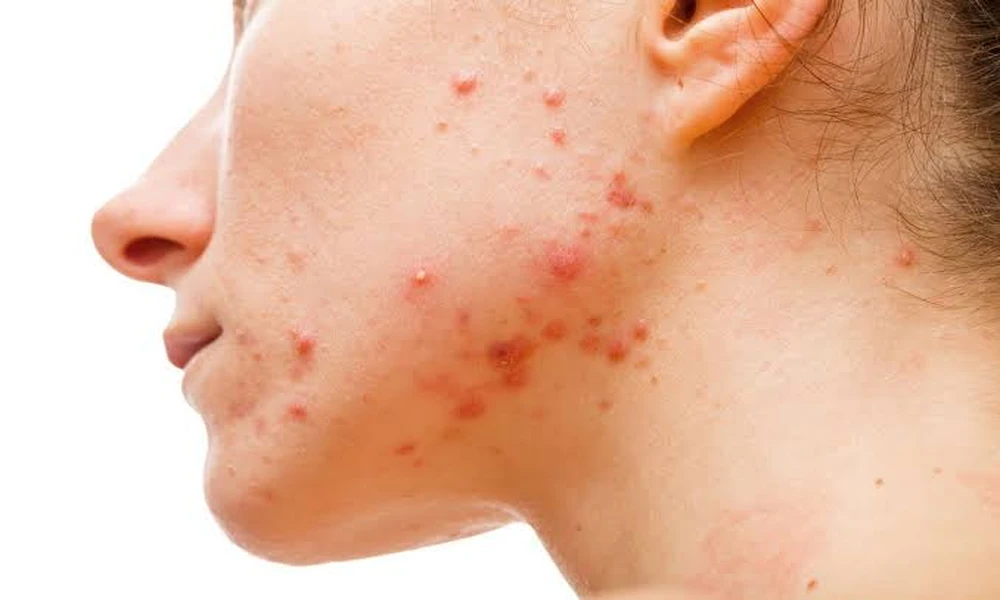
For many people, the most frustrating part of acne begins after a breakout heals. The blemish may disappear, but the skin often tells a different story. Dark marks, uneven tone, redness, and textural changes can linger for weeks or even months. These post-inflammatory skin changes can affect confidence just as much as active acne.
Dermatologists increasingly emphasize the importance of preventing inflammation rather than only treating visible pimples. This shift reflects a broader understanding of how repeated breakouts influence the skin over time. Alongside traditional skincare approaches, some people explore supportive technologies that focus on overall skin wellness. For example, discussions about skin recovery often include devices such as a Red Light Therapy mask, which has attracted interest among individuals seeking ways to support healthy-looking skin as part of a comprehensive skincare routine.
Understanding why post-inflammatory changes occur can help people make informed decisions about managing both current breakouts and their long-term effects.
Key Takeaways
- Recurrent breakouts can leave behind long-lasting skin changes even after acne clears.
- Inflammation plays a major role in post-inflammatory marks and discoloration.
- Picking, squeezing, or irritating blemishes often increases the risk of visible skin changes.
- Early acne management may help reduce the likelihood of lingering marks.
- Consistent skincare and sun protection support the skin’s natural recovery process.
Why Skin Doesn’t Always Return to Normal after a Breakout
Many people expect their skin to bounce back immediately once a pimple disappears. In reality, the healing process often continues long after the visible blemish fades.
Every breakout triggers an inflammatory response. The body’s immune system works to repair damaged tissue and restore balance. During this process, skin cells may produce excess pigment or undergo structural changes.
The result can be visible marks that remain even when active acne is no longer present.
These changes are often referred to as post-inflammatory skin changes because they develop after the initial inflammation subsides.
Understanding Post-Inflammatory Hyperpigmentation
One of the most common consequences of recurrent breakouts is post-inflammatory hyperpigmentation. This condition appears as flat brown, gray, or dark spots that remain after acne heals. It occurs when inflammation stimulates pigment-producing cells called melanocytes.
People with medium to darker skin tones often experience post-inflammatory hyperpigmentation more frequently, although it can affect individuals of all skin types.
Unlike acne scars, these marks do not involve changes in skin texture. However, they may persist for several months if left untreated.
Why Redness Can Linger
Not all post-acne marks appear dark. Some individuals notice lingering pink or red areas after blemishes heal. This occurs because inflammation affects tiny blood vessels near the skin’s surface.
The redness may gradually fade over time, but repeated breakouts can prolong the process. Protecting the skin from additional irritation often plays an important role in supporting recovery.
The Connection between Recurrent Inflammation and Scarring
Repeated inflammation can sometimes damage deeper layers of the skin. When this happens, the body may struggle to rebuild tissue evenly. The result can be permanent textural changes commonly known as acne scars.
Scars may appear as:
- Depressed or indented areas
- Rolling skin texture
- Deep narrow pits
- Raised thickened tissue
The risk increases when inflammation becomes severe or when people frequently pick at active blemishes.
How Daily Habits Influence Recovery
Several everyday habits can affect how the skin heals after breakouts.
Picking and Squeezing Blemishes
Many people feel tempted to touch or squeeze acne lesions. Unfortunately, this often increases inflammation and raises the likelihood of post-inflammatory marks.
Inconsistent Sun Protection
Ultraviolet exposure can worsen discoloration and make existing marks more noticeable.
Daily sunscreen use helps protect healing skin and supports a more even skin tone.
Harsh Skincare Products
Overusing exfoliants or aggressive treatments can disrupt the skin barrier and prolong irritation.
A balanced skincare routine often produces better long-term results than frequent product switching.
Supporting the Skin’s Recovery Process
The skin has remarkable repair capabilities, but recovery takes time.
Several strategies can help support healthy healing:
- Use gentle cleansers that respect the skin barrier.
- Apply sunscreen every day.
- Avoid picking or scratching blemishes.
- Maintain consistent skincare habits.
- Seek professional advice for persistent acne.
- Prioritize sleep and stress management.
These practices help create an environment that supports the skin’s natural renewal process.
Exploring Light-Based Technologies for Skin Wellness
Celluma red light therapy is a light-based technology used in various skincare and wellness settings. The system delivers specific wavelengths of red and near-infrared light that researchers have studied for their effects on cellular activity and skin function.
Some skincare professionals include Celluma red light therapy within broader skin wellness programs aimed at supporting healthy skin processes. Researchers continue to investigate how light-based technologies interact with biological mechanisms involved in inflammation and tissue recovery. While interest in these approaches continues to grow, experts generally recommend viewing them as one component of a comprehensive skincare strategy rather than a standalone solution.
The Importance of Addressing Acne Early
Many people focus only on treating acne once it becomes severe. However, early intervention often helps reduce the cumulative effects of inflammation.
Each breakout has the potential to trigger changes that extend beyond the visible blemish itself. By managing acne consistently and protecting the skin from unnecessary irritation, individuals may reduce the risk of long-term discoloration and textural concerns.
Final Thoughts
Post-inflammatory skin changes remind us that acne’s impact does not always end when a breakout heals. Repeated inflammation can leave behind discoloration, redness, and textural changes that persist long after active blemishes disappear.
Understanding how these changes develop empowers people to take a proactive approach to skin health. Consistent skincare, sun protection, and thoughtful acne management can help support the skin’s recovery process and reduce the lasting effects of recurrent breakouts over time.
