

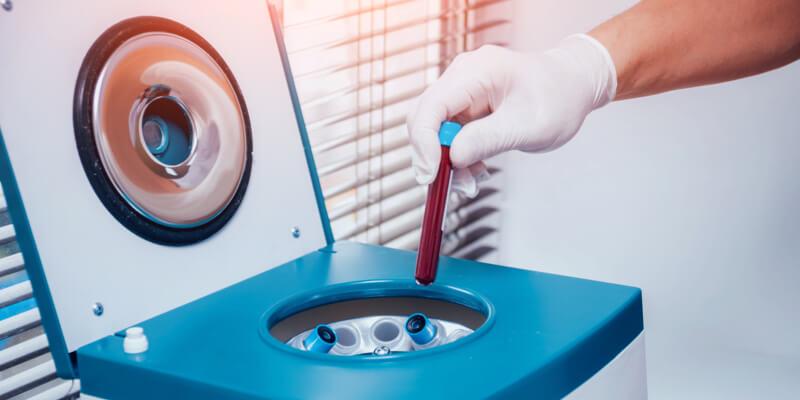
Platelet-rich plasma involves extracting blood sample and spinning it in a centrifuge to concentrate and separate the platelets and plasma for other elements in the blood. This concentrated solution is then injected back into the body through injection, at the injured area. Platelets available in the blood contain protein and growth factors that help in rebuilding and repairing damaged tissues by growing new healthy cells.
However, the process of PRP can be lengthy and difficult. The success rate of the PRP process completely relies on the PRP kit and the preparation process.
There are two important tools and accessories which are required for a successful PRP:
- Vacuum sealed blood centrifuge tubes
- Blood collection tubes
Plasmolifting is a fast-growing company with a wide sales network in Russian Federation and the CIS countries. It is also a developer, manufacturer, and supplier of special PRP tubes for blood collection. Their goal is to make plasma injections an effective and safe method of pathophysiological process. Any physician can benefit from their PRP training courses to learn and excel in this treatment process.
Types of Tubes Used for PRP
Depending upon the kind of centrifuge process and PRP treatment the tools and accessories used may vary. Still, there are two most commonly used tubes in the process –
Vacuum sealed blood centrifuge tubes
The entire procedure of PRP relies on the vacuum-sealed blood centrifuge tubes because it reduces the risk of contamination of blood samples and PRP serum after centrifuge is complete. It ensures that safe platelets are received through the process. The tube is used with or without the anticoagulant or PRP gel for the process.
The anticoagulant is needed only when there is a gap between sample collection and centrifugation process. If there is any gap between the process, clotting of blood starts which can destroy the strength of plasma and platelets. This will impact the results of the PRP treatment.
Blood collection tubes
Blood collection tubes are required when before the centrifugal process the blood sample is being transferred to various tubes. Before transferring to various tubes, an additional compound is added into the tube-like sodium citrate to avoid contamination and clotting. This compound reduces the chances of contamination when blood is transferred into various tubes before it is turned into PRP serum. The type of tubes keeps varying depending upon the equipment available for the centrifuge and the PRP provider’s preferences.
Compatibility Between Tubes and Centrifuge
- All centrifuges don’t spin in the same manner, some spin single while some double spin depending on the platelet counts required. Check if the material used in the tube is compatible with the centrifuge because it is the tube that is always at high risk.
- Identify f the tube and centrifuge require an anticoagulant for the process. Sometimes, the tube may require anticoagulant, but the centrifuge process doesn’t which may result in poor quality of platelets and plasma.
Tools and accessories used in PRP groundwork should always be disinfected and kept in a clean environment. However, for an effective result, it also takes practice and proper training to use the centrifuge process to create a proper PRP sample.
