Blog

  • The Science and Safety of Amanita Mushrooms: Tips for a Positive Experience

    The Science and Safety of Amanita Mushrooms: Tips for a Positive Experience

    Amanita mushrooms have been used for thousands of years for their potential health benefits, including anti-inflammatory and antioxidant properties and potential benefits for depression, immune function, and cognitive function. However, it is important to note that Amanita mushrooms can also be toxic if not prepared and consumed properly. In this article, read now to explore the science and safety of these mushrooms and provide tips for a positive experience.

    The Science Behind Amanita Mushrooms

    Amanita mushrooms contain various compounds with potential health benefits, including ibotenic acid, muscimol, and muscarine. These compounds have been shown to have anti-inflammatory and antioxidant properties and potential benefits for depression, immune function, and cognitive function.

    When these mushrooms are consumed, the body converts ibotenic acid to muscimol. Muscimol is the compound responsible for the psychoactive effects of these mushrooms. However, ibotenic acid can cause various symptoms, including nausea, vomiting, and seizures.

    Safety Considerations for Amanita Mushrooms

    To ensure a safe experience with Amanita mushrooms, following proper preparation and dosage guidelines is important. These mushrooms should be properly prepared to reduce the risk of toxicity. This can include methods such as drying, boiling, or roasting.

    It is also important to start with a low dose and gradually increase it as needed. The potency of Amanita mushrooms can vary, and it is difficult to determine the exact dosage. It is also important to note that the effects of these mushrooms can take several hours, so it is important to be patient and avoid consuming too much too quickly.

    Creating a Safe and Comfortable Environment

    When consuming Amanita mushrooms, creating a safe and comfortable environment is important. This can include being in a quiet and familiar place with a trusted friend or family member present. Avoid consuming them in a stressful or unfamiliar environment, as this can increase the risk of a negative experience. It is also important to note that Amanita mushrooms can interact with certain medications and should not be used as a substitute for conventional medical treatment.

    Tips for a Positive Experience with Amanita Mushrooms

    To maximize the potential benefits of Amanita mushrooms and ensure a positive experience, consider the following tips:

    Research: Before trying them, it is important to research their potential benefits and risks. This can help you make an informed decision and understand the potential side effects.

    Dosage: It is important to start with a low dose and gradually increase it as needed. The potency of Amanita mushrooms can vary, and it is difficult to determine the exact dosage.

    Preparation: These mushrooms should be properly prepared to reduce the risk of toxicity. This can include methods such as drying, boiling, or roasting.

    Environment: Creating a safe and comfortable environment when trying these mushrooms is important. This can include being in a quiet and familiar place with a trusted friend or family member present.

    Medical Conditions: If you have any underlying medical conditions or are taking any medications, it is important to consult your healthcare provider.

    Conclusion

    Amanita mushrooms have potential health benefits, including anti-inflammatory and antioxidant properties and potential benefits for depression, immune function, and cognitive function. To ensure a positive experience, it is important to follow proper preparation and dosage guidelines, create a safe and comfortable environment, and consult with your healthcare provider if you have any underlying medical conditions or are taking any medications. However, it is important to note that Amanita mushrooms should not be used as a substitute for conventional medical treatment, and more research is needed to determine their safety and efficacy.

  • How To Have A Flawless And Wrinkle-Free Skin?

    How To Have A Flawless And Wrinkle-Free Skin?

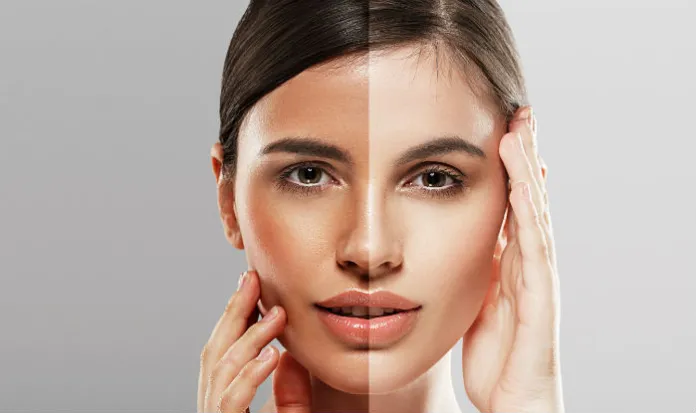
    Having flawless and wrinkle-free skin is a goal for many people. While genetics, lifestyle, and environmental factors play a role, there are several steps you can take to promote healthy, youthful-looking skin. You can apply the natural way or try the safest anti-wrinkle treatment.

    Facial treatments

    Maintaining the beauty of the skin is challenging. You need to check if the product you are using fits your skin type. If not, there are tendencies like getting the wrong result you expected. But, when using the right facial treatment, you will come along with various choices:

    • Injectable wrinkle treatments
    • Derma or lip fillers
    • IPL facial rejuvenation treatments
    • Fraxel laser rejuvenation
    • Skin tightening
    • Skin needling
    • Skin boosters
    • Microdermabrasion
    • Skin boosters
    • Peels
    • LED therapy
    • PRP and more

    Is facial treatment safe?

    Yes, it is very safe because it is proven safe and tested by laboratories. But, when you decide on using such facial treatment, ensure that you are dealing with the right doctors. It is one of the most common problems people have when picking a facial treatment. Due to financial problems, some would choose to have budgetary options.

    But, you must go for a reasonable facial treatment rather than simply picking the cheap ones since it might not guarantee a safe and satisfying result.

    After-facial treatment maintenance

    There are some tips to follow when maintaining good and youthful skin. Here are the tips to do when you do after-treatment maintenance.

    1. Protect your skin from the sun. Exposure to the sun’s harmful UV rays is one of the biggest culprits of skin damage and premature aging. Wear protective clothing, such as a hat and long-sleeved shirt, and apply broad-spectrum sunscreen with at least SPF 30 to all exposed areas of skin daily.
    2. Stay hydrated. Drinking plenty of water helps keep your skin hydrated, plump, and youthful-looking.
    3. Eat a healthy diet. A diet that is rich in fruits, whole grains, vegetables, healthy fats, and lean protein can help nourish the skin inside and out.
    4. Get enough sleep. Lack of sleep can contribute to under-eye bags, fine lines, and a dull complexion.
    5. Use skincare products. You may use skincare products, specifically formulated for your skin concerns and types. Look for products that contain ingredients like hyaluronic acid, vitamin C, retinoids, and antioxidants, which can help improve the appearance of wrinkles and fine lines.
    6. Avoid smoking. Smoking can damage collagen and elastin in the skin, leading to wrinkles, sagging, and a dull complexion.
    7. Manage stress. Chronic stress causes inflammation in the body, which contributes to:
    • skin damage
    • premature aging

    By following these tips, you can promote healthy, youthful-looking skin and minimize the appearance of wrinkles and fine lines. Remember, keep consistency as it is key to skincare. So, be dynamic and patient in your efforts.


  • Singapore’s Top Treatments For Permanent Removal of Your Dark Eye Circles

    Singapore’s Top Treatments For Permanent Removal of Your Dark Eye Circles

    Dark eye circles can be a concern for many people and may be caused by various factors, including aging, genetics, and lifestyle habits. These circles can make individuals look tired and less refreshed, even after a full night’s sleep. Fortunately, there are several non-surgical treatments available to effectively reduce the appearance of dark circles and rejuvenate the under-eye area.

    Understanding the causes of dark eye circles is crucial for selecting the most suitable treatment method. Some common causes include insufficient sleep, natural aging process, dehydration, and even allergies. To address these concerns, non-surgical dark eye circles removal treatments like Pico Laser, Dermal Fillers, Sunekos Eye, HIFU, and Rejuran Eye have emerged as popular choices, offering a range of benefits and advantages to help individuals achieve a more youthful and revitalized appearance.

    Causes of Dark Eye Circles

    Dark eye circles are a common concern for many individuals. The causes can be divided into three main categories: genetics and aging, lifestyle factors, and medical conditions. Understanding the root causes can help determine the most effective treatment options for dark eye circle removal.

    Genetics and Aging

    Some people are more genetically predisposed to developing dark eye circles. This is mainly due to the thinning of skin and loss of collagen that occurs with age, resulting in increased visibility of blood vessels and melanin beneath the skin. According to the Mayo Clinic, heredity and skin color irregularities can also contribute to dark eye circles.

    Aging also plays a significant role in the appearance of dark eye circles, as the skin around the eyes becomes thinner and loses elasticity. This allows the blood vessels underneath the skin to become more visible, creating the appearance of dark circles.

    Lifestyle Factors

    Lack of sleep is a common cause of dark eye circles. Sleep deprivation can lead to dull, pale skin which makes dark tissues and blood vessels beneath the skin more visible, as explained by Healthline. Fatigue and exhaustion can also contribute to the appearance of dark eye circles, causing the area below the eyes to darken and appear more hollow.

    Excessive sun exposure can prompt the body to produce more melanin, the pigment that gives skin its color. This increased melanin production can lead to dark circles forming under the eyes. Additionally, certain lifestyle habits, such as smoking and alcohol consumption, can negatively impact skin health, potentially worsening the appearance of dark eye circles.

    Medical Conditions

    Medical conditions, such as allergies and atopic dermatitis (eczema), can also lead to dark eye circles. Allergies can cause inflammation and itching in the eye area, leading to rubbing or scratching which can aggravate the skin and contribute to dark circles. Medical News Today explains that other causes can include contact dermatitis, hay fever, and hyperpigmentation, in which the body produces more melanin.

    Dehydration and snoring can also contribute to the appearance of dark eye circles, as these factors can lead to fluid accumulation beneath the eyes, causing puffiness and discoloration. In some cases, underlying medical issues, such as anemia or a thyroid disorder, can contribute to the development of dark circles under the eyes.

    Non-Surgical Treatments

    Dark eye circles can have various causes, including aging, genetics, and sun exposure. To address these issues, a variety of non-surgical treatments are available. These non-surgical dark eye circles removal treatments help to rejuvenate the under-eye area, making it appear more youthful and refreshed.

    Pico Laser

    The Pico Laser is a popular and effective option for treating dark eye circles. This treatment uses ultra-short laser pulses to effectively shatter pigmented particles in the under-eye area. The fragmented particles are then gradually absorbed by the body, resulting in a lighter and more even appearance. The Pico Laser also stimulates collagen production, which helps to improve skin texture and elasticity.

    Dermal Fillers

    Dermal Fillers are injectable substances that can add volume to the under-eye area, helping to reduce the appearance of dark eye circles caused by sunken skin. These fillers, often made from hyaluronic acid or other biocompatible materials, plump and smooth the skin, leading to a more youthful appearance. Additionally, dermal fillers can help to diminish the appearance of fine lines and wrinkles around the eyes.

    Sunekos Eye

    Sunekos Eye is an advanced injectable treatment designed to rejuvenate the delicate skin around the eyes. It contains a proprietary blend of amino acids and hyaluronic acid that work together to stimulate collagen and elastin production, effectively reducing the appearance of dark eye circles. Patients typically experience improved skin texture and elasticity, resulting in a fresher, more youthful look.

    HIFU

    High-Intensity Focused Ultrasound (HIFU) is a non-invasive treatment that uses focused ultrasound waves to stimulate collagen production in the under-eye area. This process helps to tighten and lift the skin, reducing the appearance of dark circles and sagging skin. HIFU is an effective treatment for those looking to revitalize their under-eye area without the need for surgery or invasive procedures.

    Rejuran Eye

    Rejuran Eye is another non-surgical treatment option for dark eye circles. This treatment utilizes a Polynucleotide Injection, also known as PDRN (Polydeoxyribonucleotide), derived from salmon DNA. The injections help to stimulate the body’s natural healing process, promoting skin regeneration and hydration. This results in a more youthful appearance and reduced visibility of dark under-eye circles.

  • Top 7 Tips for Dining Out After Bariatric Surgery

    Top 7 Tips for Dining Out After Bariatric Surgery

    Navigating the world of dining out after bariatric surgery can be challenging, but with the proper information and guidance, you can still enjoy your favorite restaurants without compromising your weight loss goals. In this article, we’ll provide you with essential tips and strategies for maintaining your new lifestyle while dining out.

    1. Planning Ahead

    By planning ahead, you can ensure that the restaurant you choose offers healthy options. Look at the menu ahead of time and see what kinds of meals are available. You can also call the restaurant and inquire about their options for bariatric surgery patients. If you’re traveling, research restaurants in the area that specialize in bariatric-friendly meals. This will give you the opportunity to make a more informed decision about where and what to eat.

    2. Portion Control

    When dining out, it’s essential to keep your portion sizes in check. Most restaurants serve large portions that may be too much for you, especially after bariatric surgery. Consider sharing a meal with a friend or asking for a to-go container to take half of your meal home.

    3. Mindful Eating

    Eat slowly and take small bites to avoid overeating. This not only helps you savor your meal but also allows your body to register fullness, leading to better weight management. Listen to your body and stop eating when you feel satisfied, not when your plate is empty.

    4. Beverages and Alcohol

    Opt for water, unsweetened tea, or other low-calorie beverages to keep your calorie count low. Alcohol is high in calories, and too much can cause dehydration, so drink responsibly and avoid binge drinking. To get a proper idea about drinking alcohol post-weight loss surgery, you can refer to the blog post can you drink alcohol after bariatric surgery it will answer all your questions about drinking.

    5. Make Healthy Choices

    Choose lean proteins, vegetables, and whole grains whenever possible. Avoid fried or high-fat meals, heavy sauces, and processed foods that can harm your weight loss goals. If you’re unsure of the ingredients or cooking methods, don’t hesitate to ask your server for clarification. You may be able to find healthier options, like Pescado a la Veracruzana, a fish dish with a tomato-based sauce that’s full of flavor yet low in calories.

    6. Communicate Your Needs

    Don’t be afraid to inform your server of your needs, such as requesting alternative preparation methods or asking for dressings on the side. Most restaurants are more than willing to accommodate special requests, and this will enable you to maintain your weight loss goals while enjoying a meal out.

    7. Flexibility

    Remember, it’s okay to have occasional indulgences. Maintaining a healthy lifestyle is about balance and flexibility, so if you choose something less than ideal, try not to beat yourself up. Make sure your next meal is more nutritious and well-rounded.

    To Sum Up

    Dining out after bariatric surgery doesn’t have to be difficult. With the right knowledge and planning, you can enjoy delicious meals without compromising your health goals. And if you are planning for bariatric surgery, make sure to choose a reputable weight loss center in St Louis to ensure that you receive the highest quality of care. Good luck, and Bon Appétit!

  • What Pain Medication is Safe for Gastric Bypass Patients?

    What Pain Medication is Safe for Gastric Bypass Patients?

    For individuals who have undergone gastric bypass surgery, it can be difficult to know which pain medications are safe for them to take. Since the surgery involves making significant changes to the digestive system, there are certain medications that may not be safe or recommended due to their potential side effects or interactions with other substances. In this article, we will discuss the types of pain medications that are safe for gastric bypass patients, as well as their potential risks and benefits.

    What is Gastric Bypass Surgery?

    Gastric bypass surgery is a type of bariatric procedure that restricts the amount of food that can be eaten. During this operation, the stomach is divided into two portions: a small pouch and a larger remnant. The smaller pouch limits the amount of food intake while allowing digestive enzymes access to the foods consumed. This surgery is used to help people who suffer from severe obesity and have been unable to lose weight through other methods.

    Types of Pain Medication for Gastric Bypass Patients

    When it comes to pain management, gastric bypass patients should only take medications that are specifically prescribed for this type of surgery. Acetaminophen (Tylenol) is a commonly prescribed pain reliever that can be taken before and after the procedure. Nonsteroidal anti-inflammatory drugs (NSAIDs) such as ibuprofen and naproxen can also be taken, although these should only be taken with caution and on the advice of a medical professional.

    Opioids such as oxycodone and hydrocodone are also often recommended for post-operative pain. However, these drugs can be dangerous and should only be used in cases of severe pain where other medications have not been effective. In addition, opioids can interact with other substances and should only be taken under your doctor’s supervision.

    Potential Risks and Benefits of Pain Medication for Gastric Bypass Patients

    When it comes to taking pain medications after gastric bypass surgery, there are potential risks as well as benefits. The primary benefit of taking pain medications is that they can reduce the intensity of pain experienced by surgery or other medical conditions. However, some medications have the potential for side effects or interactions with other substances.

    So if you are in the prior stage of weight loss surgery, consult with an experienced doctor for gastric bypass surgery in Mexico to assess your individual needs. They should be able to provide you with the information you need to make an informed decision about which pain medication is best for you. Without proper guidance and supervision, it can be difficult to make a safe and effective choice.

    To Conclude

    Gastric bypass surgery is a major medical procedure, and it’s important to ensure that you are taking the right medications for your individual needs. By knowing which pain medications are safe for gastric bypass patients and what are the things you can’t do after gastric bypass surgery, you can ensure that you are getting the best care possible. Thank you for reading!

  • Bone Health Benefits Of Strength Training

    Bone Health Benefits Of Strength Training

    There has been growing interest in the potential health benefits of strength training in recent years. When it comes to building and maintaining lean muscle, many people solely consider the significance of strength training. However, the benefits of strength training are NOT exclusive to the development of muscle; it also aids in weight loss, improves sleep, boosts mood, increases strength, and strengthens bones, and enhances your ability to carry out regular activities.

    Strength training has been shown to increase aged and senior citizens’ sense of independence and decrease their risk of injury and falls.

    One of the many benefits of strength training is improved bone health, which should be considered among the most important for preventive health.

    Bone density may be increased by resistance training.

    Bone health may be improved with strength training because it raises bone density, also known as bone mineral density (BMD). This is perhaps the greatest benefit of lifting weights. The best way to increase bone mineral density and produce stronger bones is to regularly engage in activities that involve lifting weights. Exercises that target the whole body, including squats, push-ups, lunges, and deadlifts, are thought to be among the quickest ways for people of any age to increase their bone density. As a result, accidents like broken bones and falls are less likely to occur. It’s hardly shocking that advice to engage in strength training to maintain and improve bone mineral density is on the increase. It’s no surprise that supplements to support bone and muscle health are on the rise as well. The influx of Thrive reviews recently proves just how popular these supplements are becoming

    Strength training has been linked to a reduced risk of osteoporosis.

    The role that strength training plays in preventing osteoporosis is another factor that highlights the need to increase the relevance of resistance training for enhanced bone health. The monetary and emotional costs associated with osteoporosis make it a major public health issue.  Osteoporosis is characterised by a low bone density and a heightened susceptibility to fractures, especially in the spine, hip, and wrist. Muscle development, strength, and balance are all critical variables in the maintenance and enhancement of bone health, and all are positively influenced by strength training, especially high intensity strength training.

    Helps the Body’s Joints Be More Mobile

    Several studies have shown that strength training may improve joint mobility, especially in the arms, hips, and spine. Exercises that emphasise balance and power may be especially effective for enhancing strength and stability via resistance training. This therapy option may help those who are experiencing lower back pain and would want to enhance their physical performance.

    Stabilizes the Body

    Strength training exercises that include balance may enhance balance and minimise the probability of a fall by teaching your nervous system greater balance and control of the body.  This kind of learning takes place inside the brain and may happen at any age. However, this can only occur if you partake in the right kinds of strength training.

    Conclusion

    Machine-based strength training is conducted in a single plane of motion, which loads the muscles and bones. However, regular training like this will have a negative impact on your overall performance, coordination, and equilibrium.  Since we live and move in a three-dimensional world, these machine-based strength training programmes do not fully prepare the body for movement in the actual world, where the environment is far more complex.

  • Dental Crowns Made Of Composite Resin: An Affordable Option For Restoring Teeth

    Dental Crowns Made Of Composite Resin: An Affordable Option For Restoring Teeth

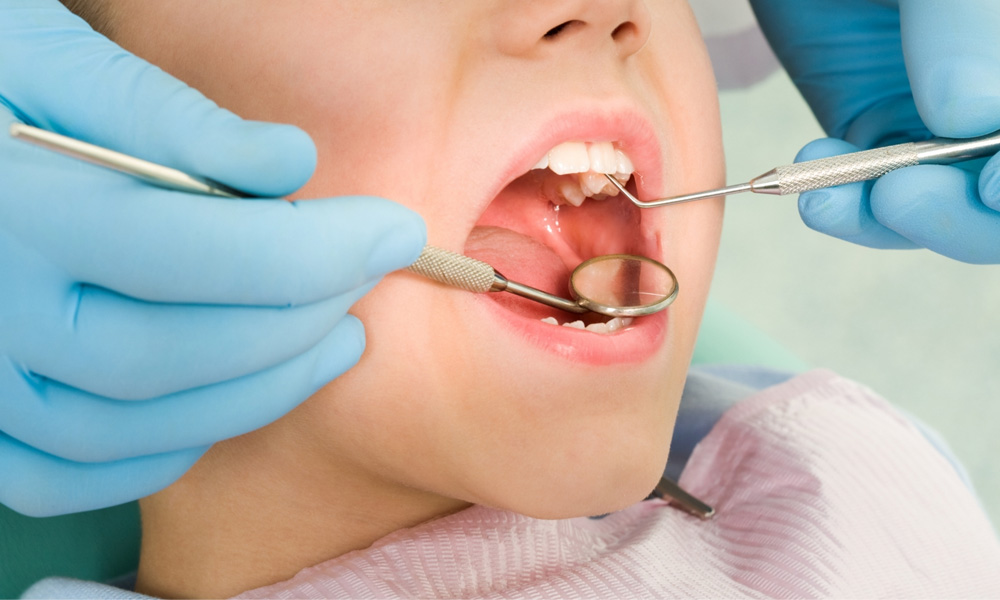
    Dental crowns are dental restorations used to cover damaged or decayed teeth to enhance their function, strength, and appearance. They are commonly employed to repair teeth that are severely decayed, cracked, or discolored. Dental crowns can be crafted from various materials, such as metal, porcelain, and composite resin. Composite resin dental crowns have gained popularity in recent times because of their affordability and natural look. This article will examine composite resin dental crowns in detail, including their benefits and drawbacks, the procedure for obtaining them, and how they differ from other dental crown materials.

    Composite Resin Dental Crowns

    Composite resin is a tooth-colored material made of a mixture of plastic and glass. It is commonly used for dental fillings, but it can also be used to make dental crowns. Composite resin dental crowns have several advantages over other dental crown materials. Firstly, they are affordable, making them a great option for patients who cannot afford more expensive materials. Secondly, composite resin can be matched to the color of the surrounding teeth, making them blend in seamlessly with the natural teeth. Thirdly, composite resin is durable and can last for several years with proper care. Finally, if a composite resin dental crown is damaged, it can be easily repaired by a dentist.

    However, composite resin dental crowns also have some disadvantages. They are more likely to wear and tear than other materials, which can lead to chipping or cracking. Additionally, they are more likely to stain than other materials, which can be a problem for patients who consume a lot of coffee, tea, or red wine.

    Procedure for Getting Composite Resin Dental Crowns

    Getting a composite resin dental crown involves several steps. Firstly, the patient will need to consult with a dentist to determine whether a dental crown is necessary and whether composite resin is the best material for their needs. If composite resin is chosen, the dentist will prepare the tooth by removing any damaged or decayed material and shaping it to fit the crown. Then the dentist will take impressions of the tooth and place a temporary crown while the permanent crown is being fabricated at a dental lab.

    Dental labs NYC and other areas offer dental crown fabrication services using composite resin. These labs use specialized equipment and skilled technicians to create a custom-fit dental crown that matches the shape and color of the patient’s natural teeth. It is crucial to note that not all dental labs produce high-quality crowns, so it is essential to choose a reputable and experienced “dental crown lab near me”. This can be done by asking for recommendations from your dentist or searching online for reviews and ratings.

    Once the permanent composite resin dental crown is ready, the patient will visit to the dentist’s office to have it fitted. The temporary crown will be removed by the dentist and place the permanent crown, making any necessary adjustments to ensure a comfortable fit. The patient will then be instructed on post-treatment care and maintenance, which includes regular brushing and flossing, avoiding hard or sticky foods, and scheduling regular dental check-ups.

    Comparison with Other Dental Crown Materials

    There are several other materials that can be used to make dental crowns, including porcelain, gold, and zirconia. Porcelain dental crowns are popular for their natural appearance and durability but can be more expensive than composite resin crowns. Gold dental crowns are also durable and long-lasting, but they are more noticeable and less aesthetically pleasing than composite resin or porcelain crowns. Zirconia dental crowns are strong and resistant to wear and tear, but they can be more expensive than composite resin crowns.

    Conclusion

    Composite resin dental crowns are an affordable and natural-looking option for restoring damaged or decayed teeth. They offer several advantages, including affordability, aesthetics, durability, and easy repair. While they do have some disadvantages, such as wear and tear and staining, they are still a great option for many patients. If you are considering getting a composite resin dental crown, it is important to consult with your dentist and choose a reputable dental crown lab near you. With proper care and maintenance, your composite resin dental crown can last for several years and restore the appearance and function of your natural teeth. In the future, advancements in composite resin technology may even make them an even more desirable option for dental restorations.

  • Weight Loss Programs and Weight Management: What You Need to Know?

    Weight Loss Programs and Weight Management: What You Need to Know?

    Weight loss programs have become increasingly popular in recent years as people strive to achieve their desired body shape and improve their overall health and well-being. However, with so many different weight loss programs available, it can be challenging to know which one is right for you. Below are some of the most effective strategies for losing weight and managing your weight in a healthy way.

    Understanding Weight Loss Programs and Weight Management

    Before embarking on any weight loss program, it is important to understand the basics of weight management. Weight management involves creating a lifestyle that focuses on healthy eating habits, regular physical activity, and mindful decision-making when it comes to food choices. When combined, these behaviors can help you reach and maintain a healthy weight.

    Wherein a weight loss program involves taking steps to reduce your calorie intake and burn more calories through physical activity. To lose weight, you must create a calorie deficit—eating fewer calories than you burn—which generally results in one to two pounds of weight loss per week. It is also important to understand how each program works so that you can make an educated decision about which plan is best for you. Lastly, it is vital that you seek the advice of a healthcare professional for medical weight loss in Spokane so that you can safely and effectively reach your weight loss goals. The better you understand the program, the easier it will be to stay motivated and committed to a healthy lifestyle.

    Types of Weight Loss Programs

    There are several different types of weight loss programs available today, each with its unique approach to helping individuals lose weight:

    1. Medical weight loss programs are typically supervised by healthcare professionals who create customized diet and exercise plans based on an individual’s medical history.
    2. Online weight loss programs offer virtual coaching support, meal plans, workout routines, and community forums for support.
    3. Self-directed weight loss programs involve individuals creating their own diet and exercise plan without outside guidance or supervision.
    4. Group weight loss programs involve groups of individuals meeting regularly to share experiences and motivate each other.
    5. Holistic weight loss programs focus on the mind, body, and spirit to help individuals reach their weight loss goals in a sustainable way.

    The Benefits of Weight Loss Programs

    The benefits of participating in a weight loss program go beyond just losing pounds on the scale. These programs can also help improve overall health by reducing the risk of chronic diseases such as heart disease, diabetes, and high blood pressure. This is because losing weight helps to reduce the body’s production of fat cells, which can lead to a number of health problems.

    Additionally, weight loss programs can also help improve mental health by providing individuals with a sense of community and accountability. The support groups and coaching sessions that come with many of these programs can help people stay motivated to reach their goals and stay on track.

    Tips for Effective Weight Management

    Here are some tips that can help individuals effectively manage their weight:

    1. Make small changes to your diet gradually instead of making drastic changes all at once. You may also check out the best weight loss diet plan for women to choose a suitable diet plan for yourself.
    2. Incorporate more physical activity into your daily routine, such as taking walks or cycling instead of driving.
    3. Find a form of exercise that you enjoy doing so that it becomes easier to stick with it over time. The more active you are, the easier it will be to maintain a healthy weight.
    4. Get enough sleep each night since lack of sleep has been linked to increased appetite and cravings for unhealthy foods.

    To Sum Up

    Losing weight and managing your weight can be a challenging process, but with the right strategies, it is possible to reach your goals. Understanding different types of weight loss programs and learning how to effectively manage your weight through diet and exercise are key components for success. Thanks for reading.

  • What Is The Connection Between Fenugreek And Lactating?

    What Is The Connection Between Fenugreek And Lactating?

    Lactation cookies and teas appear to be springing up more and more these days, and others products might be beneficial for increasing the supply and contain chemicals that might be toxic to a baby’s digestive tract, hence their comfort and connection.

    Nothing worries if you are a nursing mother more than not having enough milk production for your child. Many mothers use lactation tea and cookies in case of a problem or when supplying shown to be poor – through either the newborn’s weight increase or expressing with an electronic pump.

    In today’s market, there are several tea brands you can buy. Nevertheless, not all teas are the same. Some contain additives, unnatural substances, artificial tastes, and so on. Not always what you may expect when drinking anything “natural.” The Breastfeeding Tea Co. is simple, organic, and has a proper made-to-be nursing tea, the organic Fenugreek.

    Why is it beneficial to lactation?

    Fenugreek is a plant that is for moms to increase their milk production. Several moms speak about the benefits of using regularly.

    Fenugreek has conflicting results regarding its genuine impact on a family’s supply. However, with the great reviews and hundreds of nursing parents who swear it works, one would infer that this ingredient is a winner. According to the research, a woman consumes about 3500 mg daily in most situations for it to be beneficial.

    How does be effective for nursing mothers?

    Fenugreek is an organic galactagogue that can help in breast milk production.

    Some nursing mothers report significant changes after consuming fenugreek seed. Yet, there is a lack of scientific consensus use of fenugreek seed while nursing.

    Several galactagogues function by increasing prolactin production in the female body. Prolactin is a substance that assists women in boosting breast milk. Fenugreek has been used to do this by women throughout ancient times. Additionally, here are some of the benefits fenugreek may provide:

    • Controlling blood sugar levels
    • Men’s testosterone levels have risen.
    • Reduce your cholesterol
    • Inflammation reduction

    Where can you get Fenugreek to use during breastfeeding?

    Consider visiting your doctor if you use these ingredients as the solution to improve your nursing experience. The best way is to speak with a medical practitioner or lactation specialist. If so, you can get this plant in several places and not require a prescription because it is not an approved medical therapy. These ingredients are available in a variety of formats at your local drugstore.

    The Breastfeeding Co also provides a variety of these ingredients products. Regardless of how you obtain your ingredients, it may be the finest move you ever make. After all, feeding your infant is your primary priority. Everything that assists you in doing so may be worth the effort.

  • Understanding the Different Types of Gastric Bypass Procedures

    Understanding the Different Types of Gastric Bypass Procedures

    Are you considering gastric bypass surgery for weight loss? It is essential to understand the different types of gastric bypass procedures available so that you can make an informed decision about which type is best suited to your specific needs and goals. Here, we will provide a comprehensive overview of the different kinds of gastric bypass surgery and help you become more informed about your options.

    1. Roux-en-Y Gastric Bypass (RYGB)

    This is the most common type of gastric bypass surgery. The surgeon makes a small pouch at the top of the stomach and then attaches this pouch to the small intestine. This reduces the size of the stomach, resulting in a smaller amount of food intake.

    Additionally, some portion of the small intestine is bypassed, meaning that fewer calories and nutrients are absorbed by the body. This also aids in weight loss and can help to reduce hunger and cravings.

    2. Laparoscopic Adjustable Gastric Banding (LAGB)

    During this operation, a silicone band is fitted at the top of your stomach to create a smaller pouch, preventing you from consuming too much food and assisting in weight loss. This band is adjustable, meaning that it can be tightened or loosened to help control the rate of weight loss.

    So, if your weight loss is slowing down, the band can be tightened for increased results. Thus, this type of procedure is especially beneficial if you have difficulty maintaining a steady rate of weight loss.

    3. Mini Gastric Bypass (MGB)

    The mini gastric bypass procedure is similar to the RYGB in that it creates a small stomach pouch, but instead of attaching it directly to the small intestine; it is connected further down. This allows for more nutrients and calories to be absorbed by the body.

    Since this procedure does not involve bypassing any portion of the small intestine, there are less risks involved. This procedure is usually recommended for patients who are not obese but have had unsuccessful weight loss attempts with lifestyle changes.

    4. Duodenal Switch (DS)

    This is a more complex procedure than the RYGB and MGB. The surgeon creates a small stomach pouch, which is then connected to both the small and large intestines. Plus, part of the small intestine is bypassed.

    As with other types of gastric bypass surgery, this procedure reduces the amount of food intake and limits the number of calories and nutrients absorbed by the body. This procedure helps to treat obesity and diabetes. Hence, it is usually recommended for patients who are extremely obese.

    To Conclude

    There are several types of gastric bypass surgeries available, with their own set of benefits and risks. It is essential to understand all your options so that you make an informed decision about which type is best suited to your specific needs and goals. Be sure to consult your doctor for gastric bypass surgery in Tijuana for more information and procedures available. Good Luck!