Dental visits can stir up real fear, especially when you worry about a child, a partner, or an aging parent in the chair. Your heart races. You imagine pain, struggle, and shame. Sedation options can change that experience. You give your loved one calm, control, and relief. You also give yourself peace of mind. This blog explains how safe sedation lets anxious family members get care they have been avoiding for years. It also shows how you can plan ahead, ask clear questions, and know what to expect before, during, and after treatment. If you ever rush to an emergency dentist in Thousand Oaks ca, understanding these options can protect your family from panic and delay. You deserve clear facts, not guesswork. Your loved one deserves a visit that feels safe, quiet, and manageable.
Why Dental Fear Hurts Your Whole Family
Dental fear does not stay in the chair. It follows your family home. It can lead to:
- Missed checkups and cleanings
- Tooth pain that drags on for weeks
- Costly urgent care that could have been prevented
Children watch how adults react. If they see panic or avoidance, they learn the same habit. Older adults may hide pain because they fear treatment. You see them skip meals or wake at night. You feel helpless.
When you know sedation options, you can offer a clear path. You can say, “You will not feel overwhelmed. The dentist has ways to keep you calm.” That simple promise can break years of avoidance.
Common Types Of Dental Sedation
You do not need to know medical terms. You only need to know what each option feels like and what it requires. Here is a simple comparison.
| Sedation Type | How You Take It | How You Feel | Awake Or Asleep | Who Often Uses It |
|---|---|---|---|---|
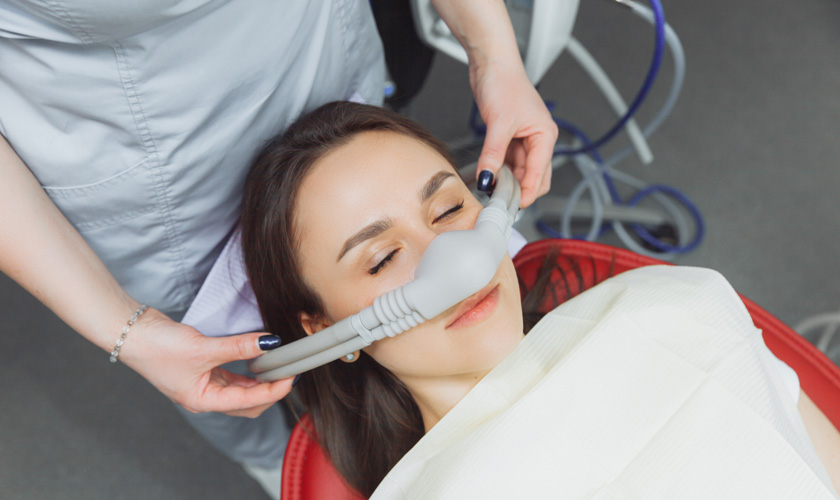
| Inhaled (Nitrous Oxide) | Mask over nose | More relaxed and less worried | Awake | Children and adults with mild fear |
| Oral Sedation | Pill or liquid before visit | Sleepy and calm | Awake but may not remember | Older children, teens, and adults |
| IV Sedation | Medicine through a small needle in the arm | Very relaxed | Light sleep or very drowsy | Adults with strong fear or long treatments |
| General Anesthesia | Through IV and controlled breathing | No awareness of the procedure | Fully asleep | People with special needs or complex surgery |
The American Dental Association explains that these choices follow set safety rules and training standards. You can read more in their guidance on sedation and anesthesia in dentistry at ADA Anesthesia and Sedation.
How Sedation Protects Anxious Family Members
Sedation is not only about comfort. It also protects health. It helps your loved one:
- Stay still so the dentist can work safely
- Handle longer visits in one sitting
- Reduce strong gag reflex or muscle tension
- Avoid panic attacks in the chair
This means fewer repeat visits and fewer half finished treatments. It also means less stress in your home before and after each appointment.
For children, gentle sedation can stop early fear from turning into a lifelong barrier. For aging parents, it can make complex work possible when time and strength are limited.
What You Should Ask Before Choosing Sedation
You have the right to clear answers. Before any sedated visit, ask the dentist:
- What type of sedation do you recommend and why
- Who will give and watch the sedation
- What training and licenses they hold
- How you will monitor breathing and heart rate
- What your loved one can eat or drink before the visit
- How long recovery will take and who should drive home
The National Institutes of Health offers plain language on anesthesia safety and what to expect.
Planning For An Emergency Visit
Urgent dental pain hits fast. You may not have time to research during a crisis. You can prepare by:
- Finding a local dentist who offers multiple sedation levels
- Keeping their contact information in your phone
- Asking in advance which hospitals or centers they work with
During an emergency you can share a short history.
- Past reactions to anesthesia or sedation
- Current medicines and allergies
- Heart, lung, or sleep problems
Clear history helps the team choose the safest option fast and avoid delays.
How To Support Your Loved One Before And After Sedation
Your presence matters. You can lower fear more than any medicine if you stay calm and steady. Try these three steps.
Before The Visit
- Explain what will happen in simple steps
- Use honest words and avoid false promises
- Bring comfort items for children, like a toy or music
During The Visit
- Stay reachable in the waiting room
- Ask staff how things are going if time passes
- Be ready to sit with your loved one as they wake
After The Visit
- Follow the written instructions on food, drink, and medicine
- Watch for unusual sleepiness, trouble breathing, or heavy bleeding
- Call the office or urgent care if something feels wrong
When Sedation May Not Be Right
Some health conditions need extra review. These can include:
- Severe heart or lung disease
- Sleep apnea
- History of bad reactions to anesthesia
- Certain pregnancy stages
The dentist may ask for a note from a primary doctor. This step is not a barrier. It is a safety check that respects your loved one’s body and limits.
Turning Fear Into A Planned Choice
Dental fear is common. It is not weakness. It is a human response to pain and loss of control. You cannot erase that history in one visit. Yet you can replace some of the fear with facts and options.
When you understand sedation choices, you shift from panic to planning. You know what questions to ask. You know what signs to watch for. You know that your anxious family member can get care without feeling trapped.
You protect teeth. You also protect trust. That trust can last through childhood, busy working years, and old age. It starts with one clear decision. You choose comfort and safety on purpose, not by chance.