

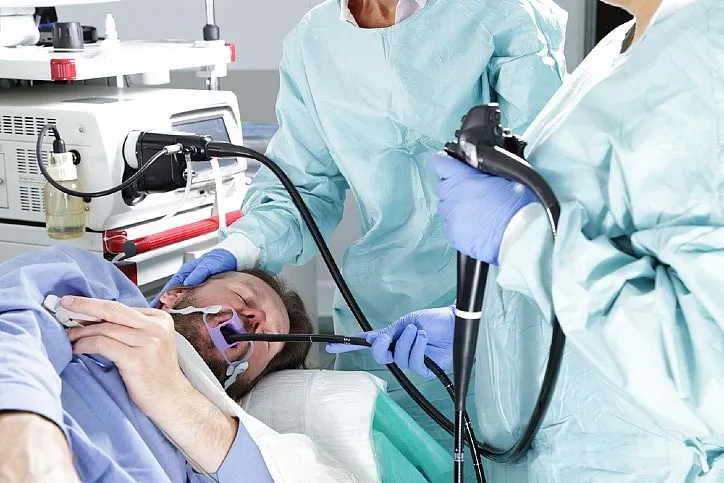
Facing a medical procedure like an endoscopy can naturally cause anxiety and nervousness. Whether it’s your first time or a repeat procedure, feelings of uncertainty about the process, discomfort, or possible results can be overwhelming.
However, managing this anxiety effectively is important to ensure the procedure goes smoothly and you remain calm throughout. This article will guide you through practical tips and strategies to help manage anxiety before your endoscopy test, so you can approach it with confidence and ease.
Understanding Why Anxiety Happens Before an Endoscopy
It’s normal to feel anxious before an endoscopy procedure because the procedure involves inserting a flexible tube with a camera into your digestive tract, which sounds intimidating. Fear of discomfort, pain, or receiving bad news can amplify these feelings.
Anxiety often triggers physical symptoms such as increased heart rate, sweating, or nausea, which can make the entire experience more stressful. Recognizing that these feelings are common and manageable is the first step in coping effectively.
Educate Yourself About the Procedure
One of the best ways to reduce anxiety is through understanding what an endoscopy involves. Ask your doctor or nurse to explain the procedure in simple terms. Knowing what to expect—from how long it will take, what sedation options are available, to the recovery process—can ease fear of the unknown.
Watching informational videos or reading trusted resources can also help demystify the procedure. When you’re informed, the procedure becomes less intimidating and more predictable, reducing anxiety.
Practice Relaxation Techniques
Relaxation exercises are powerful tools to calm your mind and body before your endoscopy. Techniques such as deep breathing, progressive muscle relaxation, or guided imagery can lower stress hormones and help you feel centered.
For example, deep breathing involves slowly inhaling through your nose, holding the breath for a few seconds, and then exhaling through your mouth. Repeating this several times can slow your heart rate and promote a sense of calm.
Incorporate these techniques into your daily routine leading up to the procedure, and use them while waiting for your appointment.
Prepare Logistically to Avoid Last-Minute Stress
Planning ahead can reduce anxiety caused by uncertainty or feeling unprepared. Arrange transportation for the day of your endoscopy, as sedation may prevent you from driving.
Follow all pre-procedure instructions carefully, including fasting guidelines or medication adjustments. Having a checklist to track what you need to do beforehand can prevent last-minute panic.
Organize your paperwork, insurance information, and any questions you want to ask your doctor. Feeling prepared builds confidence and reduces stress.
Talk About Your Fears
Don’t hesitate to share your concerns with your healthcare provider. They are experienced in helping patients manage anxiety and can offer reassurance or modify sedation plans to ensure your comfort.
Sometimes, simply verbalizing your fears can lessen their hold over you. You can also talk with family or friends who have undergone endoscopy; hearing about their positive experiences may help ease your worries.
If anxiety is severe, discuss whether short-term anti-anxiety medications might be appropriate before the procedure.
Create a Supportive Environment
Bringing a trusted friend or family member to the appointment can provide emotional support and distraction. Their presence often reduces feelings of isolation and helps you feel more grounded. Listening to calming music or engaging in light conversation while waiting can also help redirect your focus away from anxious thoughts.
Focus on Positive Outcomes
Remind yourself of the benefits of the endoscopy. It’s a critical diagnostic tool that can detect issues early, guide treatment, and ultimately improve your health. Visualize the procedure going smoothly and picture yourself feeling relieved afterward. Positive thinking can shift your mindset and reduce fear.
Aftercare: Plan for Comfort Post-Endoscopy
Knowing what to expect after the procedure can reduce anxiety about the recovery phase. Arrange a comfortable space at home for rest, and plan to take it easy for the day. Have easy-to-digest foods and any prescribed medications ready. Knowing you have a plan for recovery helps you feel more in control.
Conclusion
Feeling anxious before an endoscopy is completely normal, but there are many effective strategies to help you manage these feelings. Educating yourself about the procedure, practicing relaxation techniques, preparing in advance, and seeking support all contribute to a calmer, more confident experience. Remember, the goal of an endoscopy is to provide valuable insights into your health, and managing anxiety can help ensure you get the most accurate results without unnecessary stress.
