Why Preventive Dentistry In General Practice Protects Future Smiles
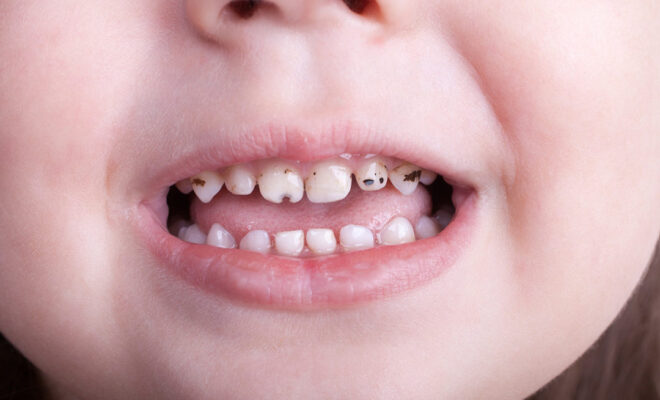
Preventive dentistry in general practice protects your teeth before problems grow. It keeps small issues from turning into painful emergencies. You gain control over your oral health instead of waiting for damage. Regular cleanings, careful exams, and simple treatments stop decay, gum disease, and tooth loss. They also support other services you may need, including dental veneers in Brookhaven, GA. Strong teeth hold restorations better. Healthy gums support your bite and your smile. You spend less time in the chair and less money on major work. You also avoid the quiet fear that comes with ignoring symptoms. Preventive care respects your time, your comfort, and your future. It gives you clear steps. It gives you an early warning. It gives you choices before pain demands them.
What Preventive Dentistry Really Means For You
Preventive dentistry is simple. You and your dentist work together to stop disease before it starts. You use daily habits at home. Your dentist uses tools in the office. Both matter.
Key parts of preventive care include:
- Routine exams and cleanings
- Fluoride treatments when needed
- Dental sealants for children and some adults
- X-rays only when they add clear value
- Coaching on brushing, flossing, and diet choices
These steps sound small. Yet they protect your mouth in three powerful ways. They remove harmful plaque. They harden tooth enamel. They catch early changes before you feel pain.
How Preventive Care Protects Your Whole Family
Every age group gains from preventive dentistry. The needs look different. The goal stays the same. Keep teeth strong and mouths free from infection.
For children:
- Sealants shield the grooves of back teeth from decay
- Fluoride supports growing enamel
- Regular visits build trust and reduce fear
For adults:
- Cleanings control plaque that brushing misses
- Gum checks stop early gum disease from turning severe
- Screenings spot worn teeth, clenching, or grinding
For older adults:
- Exams track dry mouth from medicines
- Checks around crowns, bridges, and implants keep them stable
- Oral cancer screenings find changes you cannot see
You get steadier health. You also gain calm. You know what is happening in your mouth instead of guessing.
Prevention Versus Treatment: What The Numbers Show
Preventive care costs less money and time than fixing damage. It also lowers the risk of serious health problems. The National Institute of Dental and Craniofacial Research explains how decay and gum disease remain common yet preventable through daily hygiene and routine care.
The table below shows a basic comparison for one tooth that develops a cavity.
|
Type of care |
Typical visit frequency |
Estimated cost over 5 years |
Time in the chair |
Common outcome |
|---|---|---|---|---|
|
Regular preventive care |
Exam and cleaning twice a year |
Lower total cost for cleanings and minor care |
Short visits |
Cavity often avoided or treated early |
|
No preventive care |
Visit only when in pain |
Higher cost for fillings, crowns, or extractions |
Longer urgent visits |
Greater risk of tooth loss and infection |
These patterns repeat across a mouth. One ignored cavity can spread. One missed gum infection can threaten many teeth. Prevention breaks that chain.
The Link Between Your Mouth And Your Body
Your mouth is part of your body. Infection in your gums can strain your immune system. Ongoing inflammation can raise the risk for heart disease and poor blood sugar control. The Centers for Disease Control and Prevention describe how poor oral health connects with chronic disease.
Preventive dentistry lowers that burden. Cleanings remove bacteria that fuel gum disease. Early treatment stops deep pockets from forming around teeth. You protect your heart, blood vessels, and lungs when you calm an infection in your gums.
How Prevention Supports Future Restorations And Cosmetic Work
Healthy teeth and gums give a strong base for crowns, veneers, and implants. When you keep your mouth clean and stable, you gain three key benefits.
- Restorations last longer because decay does not creep under them
- Gums stay firm, so they hold restorations in place
- Color and shape changes look more natural on a healthy mouth
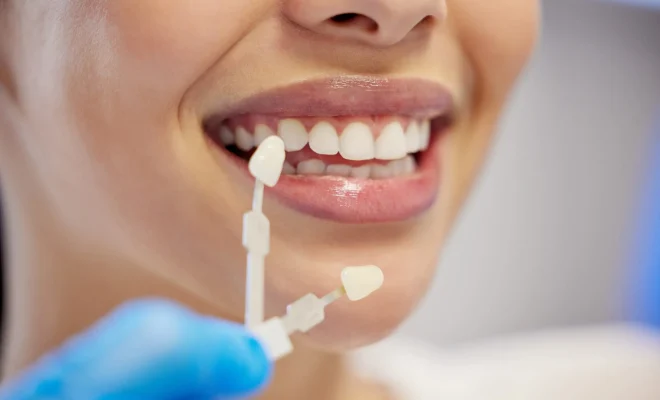
If you ever choose options like dental veneers or crowns, you will need strong enamel and calm gums. Preventive visits now protect those options for later. You keep doors open for repair and cosmetic changes instead of losing teeth too early.
Simple Daily Habits That Protect Your Smile
Office visits work best when they match steady home care. Three habits give you strong protection.
- Brush twice a day with fluoride toothpaste
- Clean between teeth once a day with floss or another tool
- Limit sugary snacks and drinks, especially between meals
Small changes help. You can drink water instead of soda. You can keep a travel brush at work or school. You can make brushing at night a non-negotiable step. Each choice removes fuel for decay.
Taking The Next Step With Your General Dentist
You do not need a special plan. You only need a starting point. You can schedule a routine exam. You can ask for a clear summary of your mouth. You can request a simple written plan that lists three priorities.
During your visit, you can ask three direct questions.
- What early problems do you see
- What can I change at home today
- How often should I come back
Preventive dentistry in general practice gives you choice, control, and calm. You protect your teeth, your comfort, and your future smile by acting before pain forces your hand.